What Does Code P1826 Mean?
DTC P1826 indicates that the Powertrain Control Module (PCM), or more commonly, the Transfer Case Control Module (TCCM), has detected an electrical fault within the control circuit for the 4-Wheel Drive Low (4WD Low) clutch relay. The specific phrase “Circuit To Battery” signifies that the module is receiving an abnormally high voltage signal on this circuit, typically near battery positive voltage (e.g., 12V-14V), when it should be at a lower control voltage, a ground, or open depending on the command and circuit design. This condition suggests either a direct short to battery voltage, an open circuit that causes the input to float high, or a malfunctioning relay that is incorrectly passing battery voltage. This fault directly impacts the ability of the vehicle to engage or disengage the low-range gearing in the transfer case.
Common Symptoms
- Inability to Engage or Disengage 4WD Low: The primary symptom is the vehicle’s failure to shift into or out of 4WD Low range, or an intermittent inability to do so.
- “Service 4WD” or “4×4” Warning Light: An illuminated warning indicator on the instrument cluster, signaling a fault within the four-wheel-drive system.
- Transfer Case Stuck in a Specific Mode: The transfer case may be stuck in 2WD, 4WD High, or even 4WD Low, preventing proper operation.
- Noises from Transfer Case: While less common for a circuit fault, an attempt to shift with a fault could result in grinding or clunking noises if the actuator partially engages.
What Causes the Code P1826?
- Faulty 4WD Low Clutch Relay: An internal short or failure of the relay itself, causing it to incorrectly pass battery voltage or create an open circuit.
- Wiring Harness Short to Battery Voltage: The control wire for the 4WD Low clutch relay is chafed, damaged, or otherwise making unintended contact with a constant or switched positive voltage source.
- Wiring Harness Open Circuit: A broken, corroded, or disconnected wire in the control circuit from the TCCM/PCM to the 4WD Low clutch relay, causing the module’s input to float high.
- Corroded or Loose Electrical Connections: Poor electrical contact at the relay socket, TCCM/PCM connector, or transfer case actuator connector.
- Faulty Transfer Case Control Module (TCCM/PCM): A rare but possible internal failure of the module’s driver circuit responsible for controlling the 4WD Low clutch relay.
How to Diagnose and Troubleshoot
Diagnosis of P1826 requires careful electrical testing and adherence to a systematic approach:
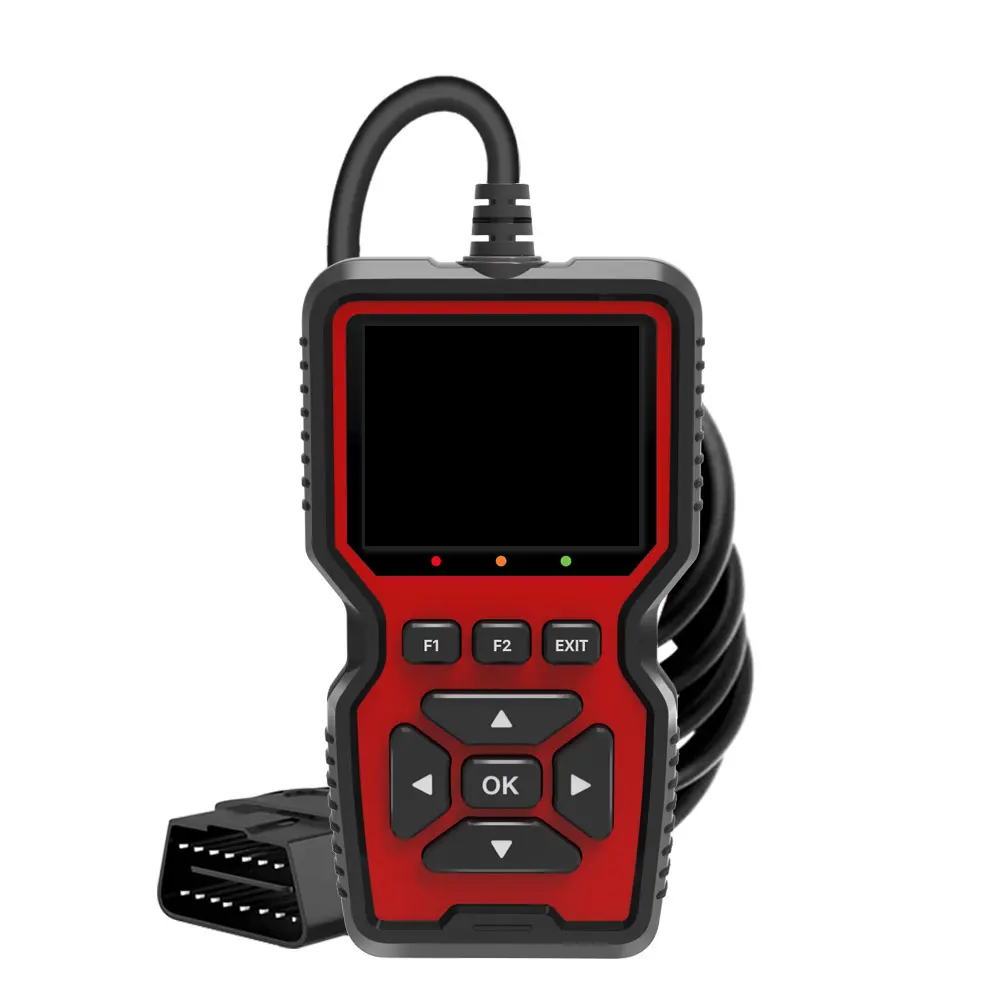
- Verify Code and Freeze Frame Data: Connect an OBD-II scan tool and confirm the presence of P1826. Document any other codes present and analyze freeze frame data, which provides operating conditions at the time the fault was set. This contextual information can be crucial. Clear the code and attempt to replicate the fault by cycling through 4WD modes.
- Visual Inspection:
- Locate the 4WD Low clutch relay using the vehicle’s service manual. Inspect the relay and its socket for visible damage, corrosion, or signs of overheating.
- Trace the wiring harness from the relay to the TCCM/PCM and the transfer case actuator. Look for signs of chafing, cuts, pinches, or rodent damage.
- Inspect all related electrical connectors for bent pins, corrosion, or loose terminals.
- Relay Testing:
- Bench Test: Remove the 4WD Low clutch relay. Using a Digital Multimeter (DMM), test the continuity of the relay’s coil and switch contacts. Apply 12V to the coil terminals (as per the relay’s pinout) and confirm an audible click and continuity across the appropriate switched terminals.
- Swap Test: If available, swap the 4WD Low clutch relay with a known good, identical relay from a non-critical system (e.g., horn relay) to see if the problem resolves or shifts.
- Circuit Voltage and Continuity Tests (Use a DMM):
- Check for Short to Battery: Disconnect the 4WD Low clutch relay. With the ignition ON (engine OFF), use a DMM to measure voltage on the TCCM/PCM control wire terminal at the relay socket. If it reads near battery voltage without a command to engage 4WD Low, suspect a short to battery in the wiring harness.
- Check for Open Circuit: With both the TCCM/PCM connector and the relay socket disconnected, perform a continuity test between the control wire terminal at the TCCM/PCM connector and the corresponding terminal at the relay socket. Resistance should be extremely low (typically <0.5 ohms). High resistance or an open circuit indicates a break in the wire.
- Check for Power/Ground to Relay: Verify that the relay receives proper power and ground on its supply side. Consult the wiring diagram for specific pin functions.
- Check for TCCM/PCM Control Signal: Carefully back-probe the control wire at the TCCM/PCM connector or relay socket. Using a scan tool capable of commanding 4WD modes, observe the voltage signal as 4WD Low is requested. The TCCM/PCM should provide the appropriate control signal (e.g., 0V for ground-side switching, or battery voltage for power-side switching when active).
- TCCM/PCM Diagnostic (Last Resort): If all wiring, connections, and the relay are confirmed good, and the problem persists, the TCCM/PCM itself may be faulty. This requires advanced diagnostic procedures, potentially involving a lab scope to monitor actual output signals from the module.
Recommended Repairs and Solutions
Once the root cause of P1826 has been accurately diagnosed, the following repairs are typically recommended:
- Replace the 4WD Low Clutch Relay: If the relay fails bench testing or the swap test, replace it with a new, OEM-specification component. Ensure the new relay matches the original part number and electrical ratings.
- Repair or Replace Wiring Harness: If a short to battery, open circuit, or damaged wiring is identified, meticulously repair the damaged section. Use appropriate gauge wire, solder connections, and protect them with heat-shrink tubing. For extensive damage, replacing the entire segment of the harness may be more reliable.
- Clean and Secure Electrical Connections: If corrosion or loose terminals are found, meticulously clean the affected terminals using an electrical contact cleaner and a suitable brush. Apply dielectric grease to prevent future corrosion and ensure all connectors are fully seated and securely locked.
- Replace Transfer Case Control Module (TCCM/PCM): Only proceed with TCCM/PCM replacement after exhaustively ruling out all other potential causes. If the module’s internal driver for the 4WD Low clutch relay circuit is confirmed faulty, it must be replaced. Note that replacement modules often require programming or relearning procedures by a dealership or a shop with specialized scan tools.
- Mechanics’ Tip: Always consult the vehicle’s specific wiring diagrams to accurately identify the power, ground, and control wires for the 4WD Low clutch relay circuit. These configurations can vary significantly between manufacturers and models. After any repairs, clear the DTC, perform a road test, and attempt to engage/disengage 4WD Low multiple times under safe conditions to confirm the repair’s effectiveness. Also, remember to check any fuses associated with the 4WD system, as a short in the relay circuit could have blown a fuse.