What Does Code P1827 Mean?
DTC P1827 signifies “Transmission 4-Wheel Drive Low Clutch Relay Circuit To Ground.” This code is set by the Powertrain Control Module (PCM), or in some vehicle architectures, a dedicated Transfer Case Control Module (TCCM), when it detects an unintended electrical short to ground within the control circuit of the 4-wheel drive low range clutch engagement relay. The control module monitors the voltage potential and current flow through this circuit. When the module attempts to activate the 4WD Low clutch, or even in a passive state, it expects specific resistance or voltage readings. A short to ground means that the electrical current is finding an unintended path directly to the vehicle’s chassis ground, resulting in an abnormal voltage drop or zero voltage on the circuit where a higher potential should exist, thereby preventing proper control or activation of the relay.
Common Symptoms
- Inability to engage or select 4-wheel drive Low range.
- Illumination of the 4WD Service or specific 4WD System Warning Light on the instrument cluster.
- The Malfunction Indicator Lamp (MIL), commonly known as the Check Engine Light, may be illuminated.
- The transfer case may remain stuck in 2WD or 4WD High mode, unresponsive to driver input for Low range.
- Potentially erratic or inconsistent 4WD system behavior, though this is less common with a hard short to ground.
What Causes the Code P1827?
- Faulty 4WD Low Clutch Relay: An internal short within the relay itself, affecting either its control coil winding or internal contacts, causing current to bypass its intended path and short to ground.
- Shorted Wiring Harness: The electrical wiring connected to the 4WD Low Clutch Relay (specifically the control circuit from the PCM/TCCM) has chafed, been pinched, or sustained damage, resulting in direct contact with a vehicle ground.
- Corroded or Damaged Connectors: Water intrusion, dirt, or chemical exposure leading to corrosion within the electrical connectors for the 4WD Low Clutch Relay or associated harness sections, creating a conductive path to ground.
- Faulty Transfer Case Control Module (TCCM) / PCM: While less frequent, an internal malfunction or short within the control module itself could be incorrectly grounding the circuit or misinterpreting the circuit’s state. This is typically considered after external circuit and component integrity have been verified.
How to Diagnose and Troubleshoot
A systematic diagnostic approach is crucial for P1827:
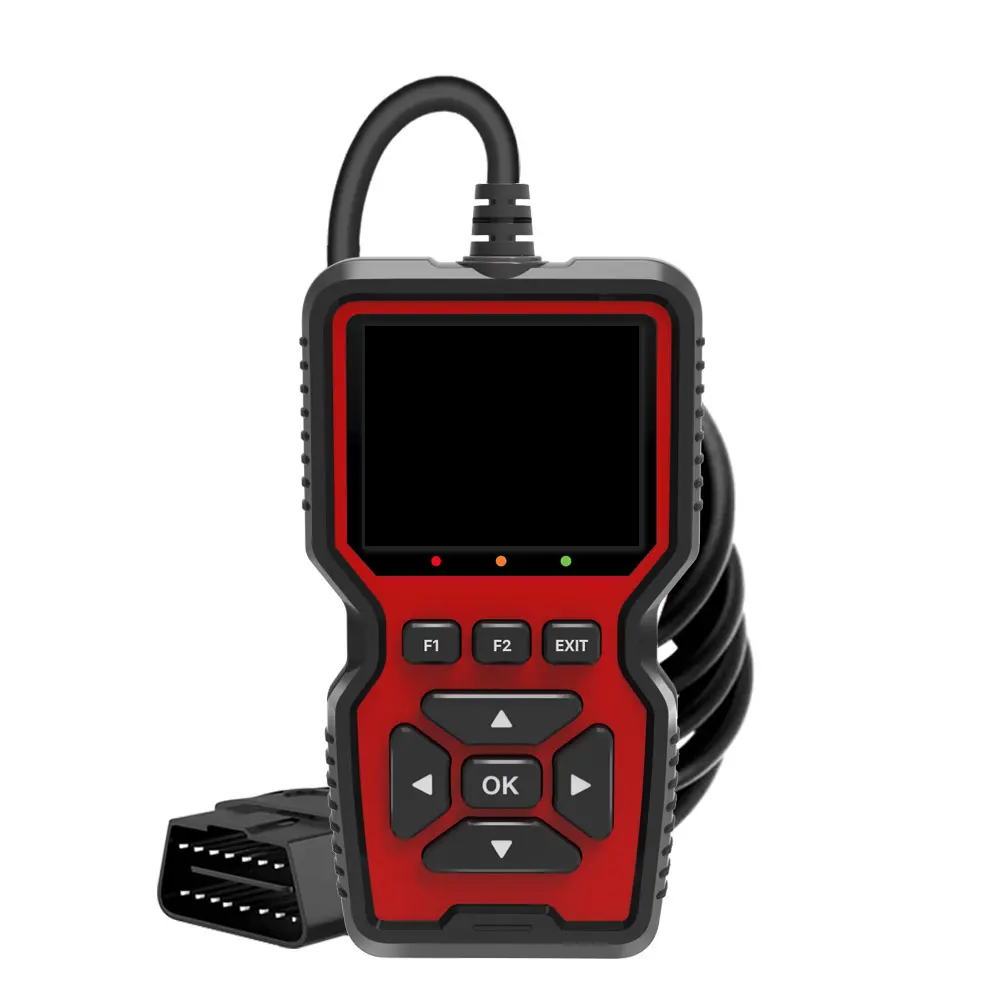
- Verify the Code: Connect an OBD-II diagnostic scanner to confirm P1827 is present. Check for any related pending codes and analyze freeze frame data to understand the conditions under which the fault occurred.
- Visual Inspection:
- Locate the 4WD Low Clutch Relay (refer to the vehicle’s service manual for exact location).
- Carefully inspect the relay’s electrical connector and the adjacent wiring harness for any signs of damage, such as chafing, cuts, bare wires, corrosion, or burnt spots.
- Trace the wiring harness from the relay back towards the PCM/TCCM, paying close attention to areas where the harness might rub against sharp edges, exhaust components, or moving parts.
- Relay Testing:
- Remove the 4WD Low Clutch Relay from its socket.
- Using a Digital Multimeter (DMM), measure the resistance across the relay’s control coil terminals (refer to the wiring diagram for proper pin identification). Compare the reading to the manufacturer’s specifications. A significantly lower resistance than specified, or near-zero resistance, could indicate an internal short.
- Perform a bench test on the relay by applying fused battery voltage and ground directly to the coil terminals. Listen for a distinct “click” and verify continuity across the load terminals when the coil is energized, then infinite resistance when de-energized.
- Circuit Continuity and Short-to-Ground Test:
- With the relay removed and the ignition turned OFF, disconnect the appropriate PCM/TCCM connector.
- Identify the specific control circuit wire for the 4WD Low Clutch Relay at both the relay connector and the PCM/TCCM connector using the vehicle’s wiring diagram.
- Using a DMM set to continuity or resistance mode, check for continuity between the control circuit wire terminal at the relay connector and a known good chassis ground. There should be an open circuit (infinite resistance). If continuity exists, it confirms a short to ground in the wiring harness. Systematically flex the harness during this test to identify intermittent shorts.
- While the PCM/TCCM connector is disconnected, also check for continuity between the control circuit wire and other adjacent wires in the harness to rule out wire-to-wire shorts.
- Power and Ground Supply at Relay Socket:
- With the relay removed, turn the ignition ON.
- Using the DMM, check for proper voltage (typically battery voltage) at the power supply terminal for the relay coil.
- If the module grounds the relay to activate it, check for a ground signal at the appropriate control terminal when 4WD Low is commanded (requires an assistant or a scan tool capable of commanding output functions).
- Control Module Diagnosis: If all wiring, connectors, and the relay itself test positive, and no external shorts are found, the fault may lie within the PCM/TCCM. This typically requires advanced diagnostic equipment or replacement of the module, followed by reprogramming.
Recommended Repairs and Solutions
- Replace the 4WD Low Clutch Relay: If the relay fails its bench tests or exhibits abnormal resistance readings, replacing it is often the most straightforward solution. Use an OEM or equivalent quality replacement part.
- Repair or Replace Damaged Wiring: If the wiring harness is found to be chafed, cut, or otherwise damaged and causing a short, repair the affected section using appropriate automotive-grade wiring, heat-shrink tubing, and soldering techniques. Ensure the repair is properly insulated and protected from future damage. For extensive damage, harness replacement may be necessary.
- Clean or Replace Corroded Connectors: If corrosion is identified in the relay’s connector or associated harness connectors, use a specialized electrical contact cleaner to meticulously clean all terminals. If terminals are severely corroded, bent, or damaged, it may be necessary to replace individual terminals or the entire connector housing.
- Transfer Case Control Module (TCCM) / PCM Replacement: If all other diagnostic steps confirm the integrity of the relay and associated wiring, and a scan tool points to an internal module fault, the TCCM or PCM may require replacement and subsequent reprogramming by a qualified technician. This should be a last resort after thoroughly eliminating all other possibilities.
- Post-Repair Verification: After completing any repairs, clear all diagnostic trouble codes using an OBD-II scanner. Perform several test drives, including engaging and disengaging the 4WD Low range repeatedly, to ensure the code does not return and the 4WD system operates correctly throughout its full functionality.