
Overview & Design Features
The Acura JNC engine represents a sophisticated internal combustion engine developed by the Honda Motor Company for its premium Acura division. Engineered with a focus on combining performance with refined driving dynamics and efficiency, this specific iteration is a naturally aspirated 3.0-liter V6 configuration. Its historical significance lies in its deployment across various mid-size and larger Acura luxury vehicles, serving as a cornerstone powerplant known for its smooth power delivery and robust construction.
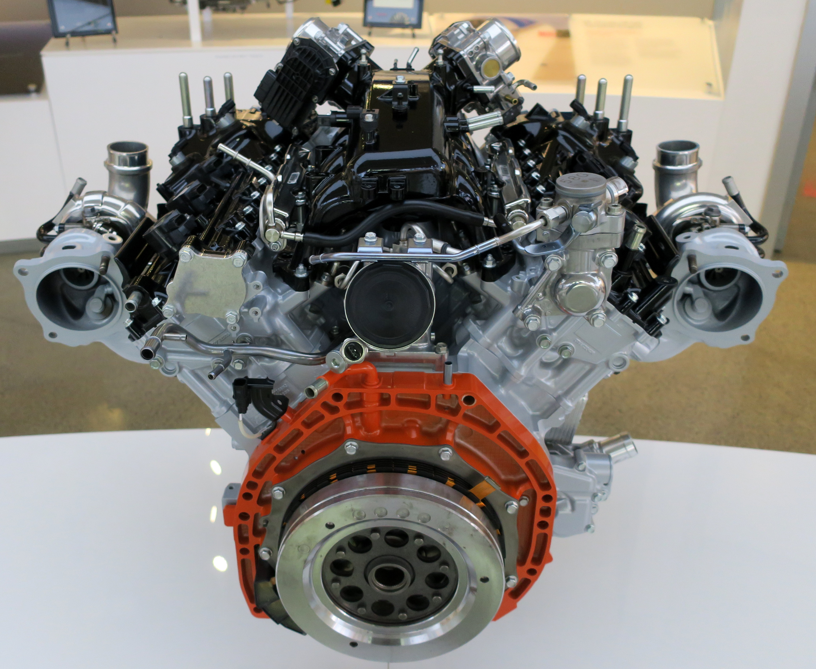
Core engineering features of the JNC engine include an aluminum alloy cylinder block and cylinder heads, contributing to a reduced overall engine weight and enhanced thermal management. It employs a modern direct fuel injection system, which precisely atomizes fuel directly into the combustion chambers, optimizing fuel efficiency and increasing power output compared to conventional port injection. Further enhancing its performance and efficiency is Acura’s proprietary i-VTEC (intelligent Variable Valve Timing and Lift Electronic Control) system, which continuously adjusts valve timing and lift profiles for optimal engine breathing across the RPM range. Some variants also incorporate Variable Cylinder Management (VCM) technology, allowing the engine to operate on fewer cylinders under light load conditions to conserve fuel.
The Acura JNC engine has been officially deployed in several key models. It was notably featured in the Acura TLX, particularly in its higher trim levels, from model years 2021 onwards. Additionally, it powered the Acura MDX, serving as a primary powertrain option for specific generations and variants introduced around the same period, providing ample power for the mid-size luxury SUV segment. Its application extended to the Acura RDX in certain market specifications, offering a potent alternative to smaller displacement engines.
Technical Specifications
| Displacement (cc) | 2997 |
| Max Power (hp (kW) @ RPM) | 305 (227) @ 6500 |
| Max Torque (Nm (kg*m) @ RPM) | 370 (37.7) @ 4700 |
| Fuel Type | Premium Unleaded (91+ RON) |
| Fuel Consumption (l/100 km) | 8.7 (Combined Estimate) |
| Engine Type | Naturally Aspirated V6 |
| Compression Ratio | 11.5:1 |
| Cylinder Bore (mm) | 86.0 |
| Piston Stroke (mm) | 85.8 |
| Valvetrain | SOHC (Single Overhead Camshaft) per bank with i-VTEC |
| Valves per Cylinder | 4 |
| Additional Info | Aluminum alloy block and heads, Direct Injection, Variable Cylinder Management (VCM) |
Common Problems & Reliability
- Carbon Buildup: As a direct-injected engine, the JNC is susceptible to carbon deposits on the intake valves due to the absence of fuel washing over the valve stems. This can lead to reduced airflow, misfires, and decreased performance over time, typically manifesting after 60,000 to 80,000 miles. Regular intake system cleaning is often required.
- Oil Consumption with VCM: Some JNC variants equipped with Variable Cylinder Management (VCM) can exhibit elevated oil consumption. This issue is often attributed to piston ring design or VCM actuators allowing oil to bypass the rings during cylinder deactivation. Monitoring oil levels between service intervals is crucial, and in severe cases, VCM system diagnosis or disabling may be considered.
- Timing Belt Service: The JNC engine utilizes a timing belt rather than a timing chain for valve actuation. While generally robust, the timing belt is a critical maintenance item with a specified replacement interval. Neglecting this service can lead to catastrophic engine damage if the belt fails, often involving bent valves or damaged pistons.
Under proper and diligent maintenance, the Acura JNC engine is engineered for longevity. A realistic expected service life before requiring a major overhaul typically ranges from 200,000 to 250,000 miles, provided all scheduled maintenance is followed rigorously and minor issues are addressed promptly.
Maintenance Tips & Service Schedule
- Engine Oil: Utilize a high-quality synthetic 0W-20 engine oil. Perform oil and filter changes every 7,500 miles or every 12 months, whichever comes first. For vehicles subjected to severe driving conditions (e.g., frequent short trips, extreme temperatures, towing), reducing the interval to 5,000 miles is advisable.
- Spark Plugs: Replace iridium-tipped spark plugs every 60,000 to 100,000 miles, depending on the specific engine variant and manufacturer recommendations. Adhering to this interval helps maintain optimal combustion and fuel efficiency.
- Timing Belt: The timing belt, along with the water pump and tensioner, should be replaced at approximately 105,000 miles or every 7 years. This is a critical preventive maintenance procedure that prevents major engine damage.
- Coolant Flush: Perform a coolant flush and refill using Acura/Honda Type 2 Long-Life Antifreeze/Coolant every 100,000 miles or 5 years. This maintains the cooling system’s efficiency and protects against corrosion.
- Valve Carbon Cleaning: For direct-injected variants, periodic intake valve carbon cleaning (e.g., walnut blasting) may be necessary around 80,000 to 100,000 miles to prevent performance degradation and maintain optimal airflow.
- Air Filters: Inspect the engine air filter and cabin air filter annually, replacing them as needed or every 15,000-30,000 miles.
Conclusion
The Acura JNC engine, with its V6 configuration, i-VTEC technology, and direct injection, represents a well-engineered and capable powerplant within the luxury segment. Its combination of smooth power delivery, respectable fuel efficiency, and overall refinement makes it an attractive choice. For a used vehicle buyer, it can be considered a safe and reliable option, provided its specific maintenance requirements, particularly concerning the timing belt service and potential for direct injection-related carbon buildup or VCM oil consumption, have been diligently addressed by previous owners. A pre-purchase inspection by a qualified technician is highly recommended to assess the engine’s condition and verify service history, ensuring long-term satisfaction and reliability.