
The fourth generation of the well-known Transit minibus was equipped with the 2.4-liter Ford FXFA or 2.4 TDDi Duratorq DI engine, which was manufactured between 2000 and 2006. This diesel engine was not very dependable, despite its striking design.
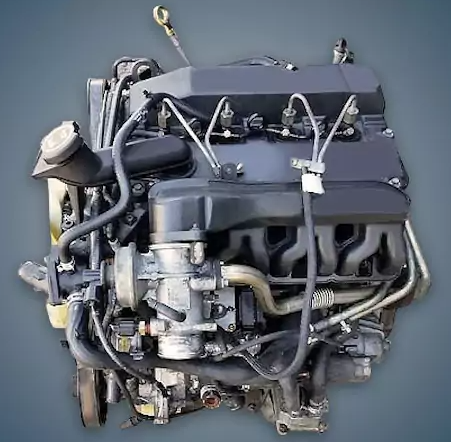
The D3FA, D5BA, and D6BA internal combustion engines are also part of the Duratorq-DI line.
The engine was installed on:
- Ford Transit Mk6 in 2000 – 2006.
Specifications
| Production years | 2000-2006 |
| Displacement, cc | 2402 |
| Fuel system | direct injection |
| Power output, hp | 115 |
| Torque output, Nm | 185 |
| Cylinder block | cast iron R4 |
| Block head | aluminum 16v |
| Cylinder bore, mm | 89.9 |
| Piston stroke, mm | 94.6 |
| Compression ratio | 19.0 |
| Features | intercooler |
| Hydraulic lifters | yes |
| Timing drive | double row chain |
| Phase regulator | no |
| Turbocharging | yes |
| Recommended engine oil | 5W-30 |
| Engine oil capacity, liter | 6.7 |
| Fuel type | diesel |
| Euro standards | EURO 3 |
| Fuel consumption, L/100 km (for Ford Transit 2003) — city — highway — combined |
11.4 8.1 9.7 |
| Engine lifespan, km | ~300 000 |
Disadvantages of the FXFA engine
The VP44 high pressure fuel pump powers chips even in the presence of minor fuel impurities;
The camshaft beds are also prone to relatively quick wear; dirt from the pump disperses throughout the system and, initially, clogs all nozzles;
Although the two-row chain appears enormous, it actually spans 150,000 kilometers; the upper connecting rod bushing is the engine’s cylinder-piston group’s weak point.