
Only the fourth generation of the Fiesta model came equipped with the 1.8-liter Ford RTP, RTN, RTQ, or 1.8 Endura-DI engine, which was manufactured between 1999 and 2002. Unlike its predecessor, this diesel power unit has demonstrated strong performance.
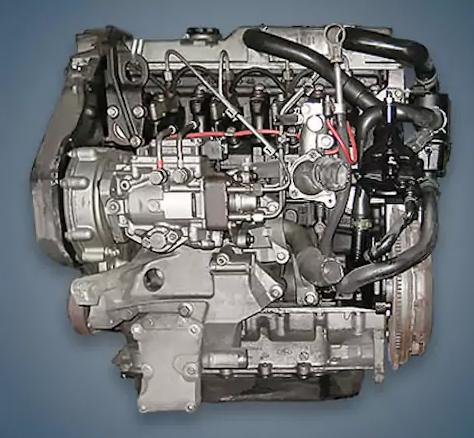
The BHDA and C9DA internal combustion engines are also part of the Endura-DI line.
The engine was installed on:
- Ford Fiesta Mk4 in 1999 – 2002.
Specifications
| Production years | 1999-2002 |
| Displacement, cc | 1753 |
| Fuel system | direct injection |
| Power output, hp | 75 |
| Torque output, Nm | 140 |
| Cylinder block | cast iron R4 |
| Block head | cast iron 8v |
| Cylinder bore, mm | 82.5 |
| Piston stroke, mm | 82 |
| Compression ratio | 19.4 |
| Features | no |
| Hydraulic lifters | no |
| Timing drive | chain and belt |
| Phase regulator | no |
| Turbocharging | yes |
| Recommended engine oil | 5W-30 |
| Engine oil capacity, liter | 5.7 |
| Fuel type | diesel |
| Euro standards | EURO 2 |
| Fuel consumption, L/100 km (for Ford Fiesta 2000) — city — highway — combined |
6.7 4.3 5.3 |
| Engine lifespan, km | ~250 000 |
Disadvantages of the RTP/RTN/RTQ engine
Compared to its predecessors, this diesel engine is far more dependable and has fewer issues;
The residual life of the direct injection fuel system’s components is crucial in this situation;
There are occasionally leaks where the cylinder block’s upper and lower sections meet;
Sudden power outages are frequently caused by a clogged fuel filter;
It’s crucial to use the right replacement parts when changing a timing kit.