
The first generation of the well-known Focus model came equipped with the 1.8-liter Ford BHDA, BHDB, or 1.8 Endura-DI engine, which was manufactured between 1999 and 2004. Unlike its 90-horsepower version, this power unit is less common.
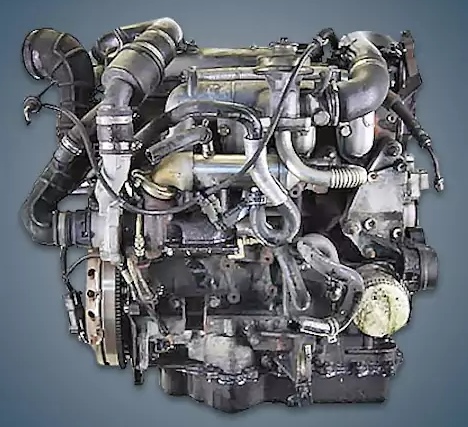
Internal combustion engines RTP and C9DA are also part of the Endura-DI line.
The engine was installed on:
- Ford Focus Mk1 in 1999 – 2004.
Specifications
| Production years | 1999-2004 |
| Displacement, cc | 1753 |
| Fuel system | direct injection |
| Power output, hp | 75 |
| Torque output, Nm | 175 |
| Cylinder block | cast iron R4 |
| Block head | cast iron 8v |
| Cylinder bore, mm | 82.5 |
| Piston stroke, mm | 82 |
| Compression ratio | 19.4 |
| Features | no |
| Hydraulic lifters | no |
| Timing drive | chain and belt |
| Phase regulator | no |
| Turbocharging | yes |
| Recommended engine oil | 5W-30 |
| Engine oil capacity, liter | 5.65 |
| Fuel type | diesel |
| Euro standards | EURO 2/3 |
| Fuel consumption, L/100 km (for Ford Focus 2002) — city — highway — combined |
6.5 4.2 5.1 |
| Engine lifespan, km | ~275 000 |
Disadvantages of the BHDA/BHDB engine
Although this diesel engine requires a lot of fuel, it runs smoothly when it is of high quality.
Low-quality diesel fuel rapidly deteriorates the high-pressure fuel pump and the nozzles;
Abrupt power outages may result from a dirty fuel filter;
Leaks frequently originate at the intersection of the cylinder block’s upper and lower sections;
An expensive turbine is in danger after 150–200 thousand kilometers of operation.