
Only the fourth generation of the well-liked Chevrolet Spark compact model had the 1.4-liter General Motors LV7 engine, which was manufactured at a plant in Korea from 2015 to 2022. This atmospheric unit has a respectable resource and is very dependable.
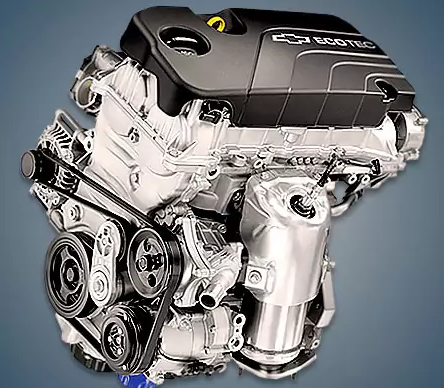
LV7, LE2, L3A, LFV, LSD, and LYX are members of the small gasoline engine family.
Specifications
| Production years | 2015-2022 |
| Displacement, cc | 1399 |
| Fuel system | distributed injection |
| Power output, hp | 98 |
| Torque output, Nm | 128 |
| Cylinder block | aluminum R4 |
| Block head | aluminum 16v |
| Cylinder bore, mm | 74 |
| Piston stroke, mm | 81.3 |
| Compression ratio | 10.6 |
| Features | DOHC |
| Hydraulic lifters | yes |
| Timing drive | chain |
| Phase regulator | Dual VVT |
| Turbocharging | no |
| Recommended engine oil | 5W-30 |
| Engine oil capacity, liter | 3.5 |
| Fuel type | petrol |
| Euro standards | EURO 5 |
| Fuel consumption, L/100 km (for Chevrolet Spark 2018) — city — highway — combined |
7.8 6.2 7.1 |
| Engine lifespan, km | ~300 000 |
| Weight, kg | 98 |
The engine was installed on:
- Chevrolet Spark 4 (M400) in 2015 – 2022.
Disadvantages of the GM LV7 engine
This atmospheric engine has no flaws and is straightforward and dependable.
On specialized forums, they mostly compliment him and only voice complaints about infrequent electrical issues.
This unit does not have soot on the valves and has distributed fuel injection.
Even with aggressive driving, the thin timing chain continues to stretch after 150,000 kilometers.
Oil consumption is caused by oil scraper rings closer to 200,000 km.