
Overview & Design Features
The GMC LMG engine is a 5.3-liter, naturally aspirated V8 engine belonging to General Motors’ Generation IV small-block engine family. Known under the Vortec 5300 marketing moniker, this powerplant served as a durable workhorse for GMC and Chevrolet light-duty trucks and full-size SUVs from 2007 through 2014. Combining pushrod simplicity with modern efficiency technologies, the LMG played a pivotal role in transitioning GM’s utility vehicle lineup toward more environmentally conscious performance standards.
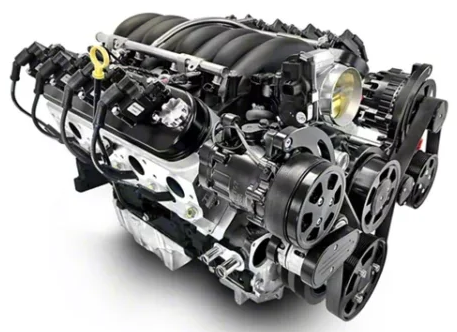
Architecturally, the LMG features a robust cast-iron cylinder block paired with lightweight aluminum cylinder heads, balancing structural rigidity with efficient thermal dissipation. The engine utilizes sequential multi-port fuel injection and is designed with Flex-Fuel capability, allowing it to run on gasoline or ethanol blends up to E85. To optimize fuel economy, General Motors equipped the LMG with Active Fuel Management (AFM) cylinder deactivation. Later iterations of this engine also integrated Variable Valve Timing (VVT) to refine the torque curve.
The LMG engine was extensively deployed across General Motors’ GMT900 platform vehicles. Key applications include the GMC Sierra 1500, GMC Yukon, and GMC Yukon XL from model years 2007 to 2013. It was also utilized in sister vehicles such as the Chevrolet Silverado 1500, Suburban 1500, and Tahoe, primarily optioned in mid-level and premium trims designed for towing and utility work.
Technical Specifications
| Displacement (cc) | 5,328 cc (5.3 Liters) |
| Max Power (hp (kW) @ RPM) | 315-320 hp (235-239 kW) @ 5,200 RPM |
| Max Torque (Nm (kg*m) @ RPM) | 454-458 Nm (46.3-46.7 kg*m) @ 4,000 RPM |
| Fuel Type | Gasoline / E85 (Flex-Fuel) |
| Fuel Consumption (l/100 km) | Approximately 14.7 L/100 km (combined cycle) |
| Engine Type | V8, 90-Degree, Generation IV Small-Block |
| Compression Ratio | 9.6:1 |
| Cylinder Bore (mm) | 96.0 mm |
| Piston Stroke (mm) | 92.0 mm |
| Valvetrain | OHV (Overhead Valve / Pushrod) with VVT (from 2010) |
| Valves per Cylinder | 2 |
| Additional Info | Equipped with Active Fuel Management (AFM) cylinder deactivation |
Common Problems & Reliability
While the LMG engine inherits the legendary durability of the GM small-block architecture, it suffers from a few notable mechanical weak points. The most prominent issue centers on the Active Fuel Management (AFM) system. The specialized lifters used in the deactivated cylinders are prone to mechanical failure, often collapsing or seizing. This leads to severe engine misfires, pushrod damage, and lifter-bore wear. If left unaddressed, AFM lifter failure can necessitate a complete camshaft and lifter replacement.
Another widespread concern is excessive oil consumption, which is directly linked to the AFM system. When the engine operates in V4 mode, oil pressure variances can cause oil to bypass the piston rings on inactive cylinders. This results in rapid oil loss and heavy carbon buildup on the spark plugs. Despite these issues, when the AFM system is proactively managed, the LMG is an incredibly durable engine. Under proper maintenance, the realistic expected service life of this power unit ranges between 320,000 and 400,000 kilometers (200,000 to 250,000 miles) before requiring a major overhaul.
Maintenance Tips & Service Schedule
To ensure maximum longevity and mitigate the inherent risks of the AFM system, rigorous maintenance is mandatory. Strict adherence to the oil change schedule is the single most critical preventative measure. The engine oil and filter should be replaced every 8,000 kilometers (5,000 miles) using premium synthetic 5W-30 oil meeting the GM Dexos1 specification. Maintaining clean oil prevents the oil passages feeding the AFM lifters from clogging with sludge.
- Engine Oil: Change every 8,000 km (5,000 miles) using 5W-30 Dexos1 certified synthetic oil.
- Spark Plugs: Replace every 160,000 km (100,000 miles) with OEM iridium spark plugs.
- Coolant Service: Perform a complete flush of the Dex-Cool coolant every 160,000 km (100,000 miles) or 5 years.
- Timing Chain: The timing chain generally lasts the lifetime of the engine; however, the tensioner and guides should be inspected around 240,000 km (150,000 miles).
Conclusion
The GMC LMG engine is a capable and highly durable powerplant that balances truck capability with modern fuel-saving technologies. While the Active Fuel Management system represents a notable reliability risk, it is an issue that can be readily monitored or electronically disabled. For used vehicle buyers, an LMG-equipped vehicle is a highly recommended and safe choice, provided the service history confirms frequent oil changes and a pre-purchase inspection reveals no active lifter noise.