
The 1.8-liter 16-valve Peugeot XU7JP4, also known as the LFY engine, was manufactured between 1996 and 2002 and fitted the most well-liked concern models at the time, such as the 306 and 406. The motor assembly for the Samand model continued in Iran after the French production ended.
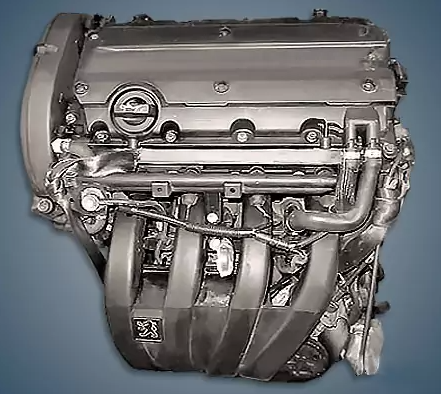
The XU family of engines includes the XU5JP, XU7JB, XU7JP, XU7JP4, XU10J2, and XU10J4R.
Specifications
| Production years | 1996-2002 |
| Displacement, cc | 1761 |
| Fuel system | injector |
| Power output, hp | 110 |
| Torque output, Nm | 158 |
| Cylinder block | aluminum R4 |
| Block head | aluminum 16v |
| Cylinder bore, mm | 83 |
| Piston stroke, mm | 81.4 |
| Compression ratio | 10.4 |
| Features | no |
| Hydraulic lifters | yes |
| Timing drive | belt |
| Phase regulator | no |
| Turbocharging | no |
| Recommended engine oil | 5W-40 |
| Engine oil capacity, liter | 5.0 |
| Fuel type | petrol |
| Euro standards | EURO 2 |
| Fuel consumption, L/100 km (for Peugeot 406 1998) — city — highway — combined |
12.2 6.7 8.7 |
| Engine lifespan, km | ~300 000 |
| Weight, kg | 120 |
The engine was installed on:
- Citroen Xantia in 1997 – 2001;
- Citroen Xsara in 1997 – 2001;
- Citroen ZX in 1996 – 1997;
- Peugeot 306 I (N3/N5) in 1997 – 2001;
- Peugeot 406 I (D8/D9) in 1996 – 2000.
Disadvantages of the XU7JP4 engine
In cold weather, all of the XU line’s power units exhibit unstable operation.
Additionally, lubricant is frequently forced through the dipstick by freezing crankcase ventilation tubes;
Floating engine speeds are frequently caused by idle speed controller malfunctions;
Low-quality fuel causes candles to burn out quickly, followed by ignition coils;
Keep an eye on the timing belt’s condition because it cracks before the recommended 120,000 kilometers; hydraulic lifters can knock for 50,000 kilometers and cannot withstand cheap oil; oil frequently leaks from under the crankshaft oil seal and valve cover;
A small oil burner, up to 0.5 liters per 1000 kilometers, is a source of complaint for some owners.