
A 7.2-liter in-line diesel engine with six cylinders powers the D7F240. The engine meets EU Euro 5 emission regulations. A Diesel Particulate Filter (DPF) installed in the engine collects tiny soot particles in the exhaust gases and burns them back during regeneration, leaving only fine ash.
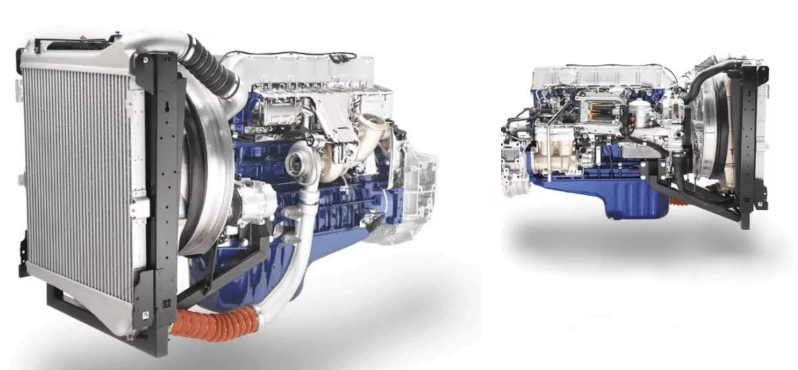
The engine’s flexibility is one of its benefits because of its large torque range and rapid acceleration response. It guarantees low fuel consumption, extended service intervals, and low emission levels in addition to effective combustion and exhaust filtration via SCR technology.
Specifications
| Engine’s type | diesel |
| Max RPM | 2500 rpm |
| Max power output at 2000–2300 rpm. | 240 hp (177 kW) |
| Max torque output at 1200–1800 rpm, Nm | 940 |
| Displacement, dm3 | 7,2 |
| Number of cylinders | 6 |
| Valves | 24 |
| Compression | 18:1 |
| Cylinder bore, mm | 108 |
| Piston stroke, mm | 130 |
| Euro standards | Euro 5 |
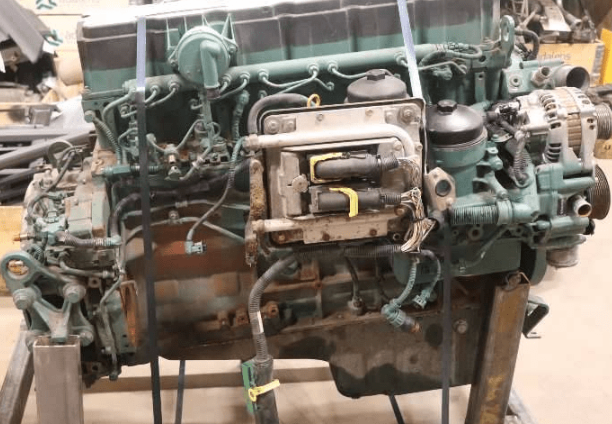
Low emissions and fuel consumption are achieved by the EMS electronic engine management system. Reduced rotational speed and decreased pressure drop are caused by the cylinder head’s inlet port shape. This improves efficiency and lessens the toxicity of exhaust gases.
The engine exhaust’s toxicity and noise level are positively impacted by the fuel injection interval’s variable duration. Prior to the main portion being injected, a tiny amount of fuel is injected. Both ignition lag and noise produced during the primary combustion sequence are greatly reduced as a result.