
Overview & Design Features
The Acura J32A1 is a 3.2-liter (3210 cc) SOHC V6 gasoline engine, a prominent member of the Honda J-series engine family, manufactured by Honda Motor Co., Ltd. Introduced in 1999, this naturally aspirated power unit was engineered for smoothness, reliability, and efficient performance within Acura’s premium front-wheel-drive sedans and coupes. Its compact 60-degree V-angle design allowed for optimal packaging, contributing to the overall balance and handling characteristics of the vehicles it powered.
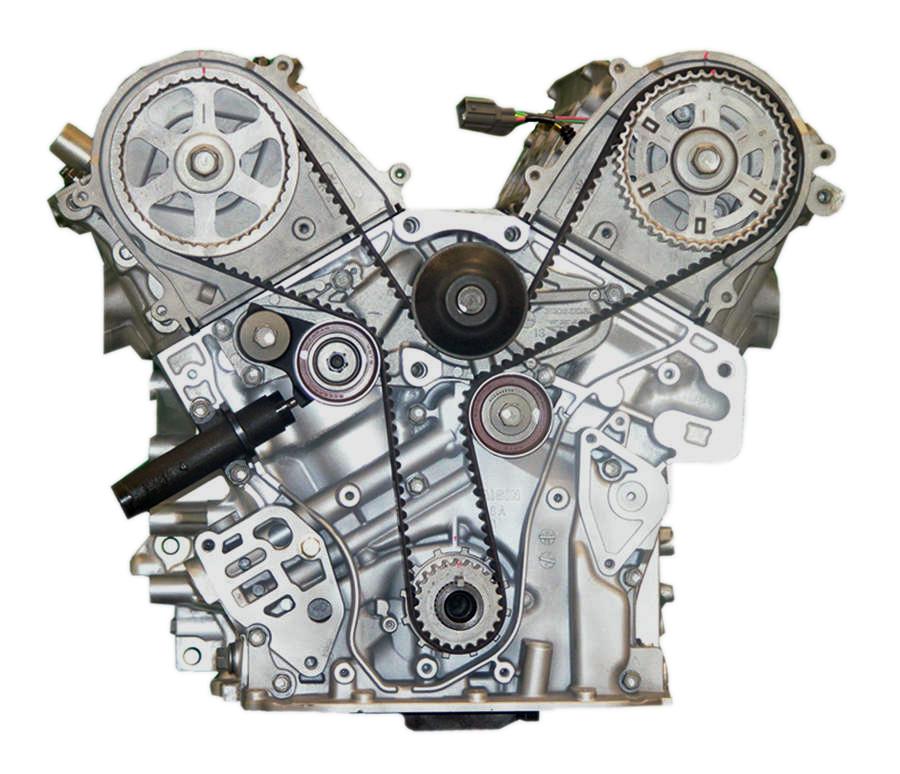
Constructed with an all-aluminum cylinder block and cylinder heads, the J32A1 features a lightweight yet rigid architecture. It utilizes a multi-point electronic fuel injection system for precise fuel delivery and combustion efficiency. A key engineering highlight is Honda’s Variable Valve Timing and Lift Electronic Control (VTEC) system, applied to the intake valves. VTEC optimizes valve overlap and lift profiles based on engine RPM and load, enhancing both low-end torque and high-end power output while maintaining fuel economy.
This specific iteration of the J-series engine was primarily deployed in the second-generation Acura 3.2TL sedan from 1999 to 2003. It also powered the second-generation Acura 3.2CL coupe from 2001 to 2003. In both applications, the J32A1 served as the standard engine, delivering a refined driving experience characteristic of the Acura brand.
Technical Specifications
| Displacement | 3210 cc |
| Max Power | 225 hp (168 kW) @ 5600 RPM |
| Max Torque | 304 Nm (31.0 kg*m) @ 4700 RPM |
| Fuel Type | Premium Unleaded (91+ octane recommended) |
| Fuel Consumption | Approx. 10.2 l/100 km (combined, varies by vehicle & driving) |
| Engine Type | SOHC V6, 24-valve, VTEC (intake) |
| Compression Ratio | 9.8:1 |
| Cylinder Bore | 89 mm |
| Piston Stroke | 86 mm |
| Valvetrain | Single Overhead Camshaft (SOHC) with VTEC |
| Valves per Cylinder | 4 |
| Additional Info | Aluminum block and heads, Multi-Point Fuel Injection |
Common Problems & Reliability
The J32A1 engine generally exhibits strong reliability, often exceeding 250,000 miles (400,000 km) with diligent maintenance. However, certain common issues may arise. One frequent concern involves oil leaks from the valve cover gaskets and the VTEC solenoid gasket, which typically manifest as oil seepage at high mileage. Another area of attention is the Exhaust Gas Recirculation (EGR) system, where carbon buildup can occur, potentially leading to rough idling or misfires if not addressed. While not an inherent engine defect, neglected timing belt replacement is a critical failure point, as this is an interference engine where valve-to-piston contact can cause catastrophic damage if the belt breaks.
Maintenance Tips & Service Schedule
Proactive maintenance is key to the longevity of the J32A1. Engine oil changes should occur every 5,000-7,500 miles (8,000-12,000 km) or every 6 months, using a high-quality 5W-30 synthetic or semi-synthetic motor oil. Spark plugs, specifically iridium-tipped types, are recommended for replacement every 105,000 miles (168,000 km). The timing belt, along with the water pump and timing belt tensioner, must be replaced every 105,000 miles (168,000 km) or 7 years, whichever comes first, to prevent potential engine damage. Coolant flushes are advised every 60,000 miles (96,000 km) or 5 years. Regular inspection of valve cover and VTEC solenoid gaskets for leaks is also recommended.
Conclusion
The Acura J32A1 engine stands as a testament to Honda’s engineering prowess, offering a blend of smooth performance, refined operation, and commendable reliability. For a used vehicle buyer, it represents a generally safe and dependable choice, provided the vehicle’s maintenance history confirms adherence to critical service intervals, particularly for the timing belt. With proper and timely maintenance, this engine is capable of delivering many years of reliable service.