
Overview & Design Features
The Acura J32A2 is a prominent member of Honda’s J-series family of V6 engines, specifically engineered for enhanced performance. Produced by Honda, this 3.2-liter (3210cc) SOHC VTEC V6 engine was a cornerstone of Acura’s sport-oriented models during its production. It represents a significant step in the evolution of Honda’s V6 offerings, providing a blend of power and refinement.
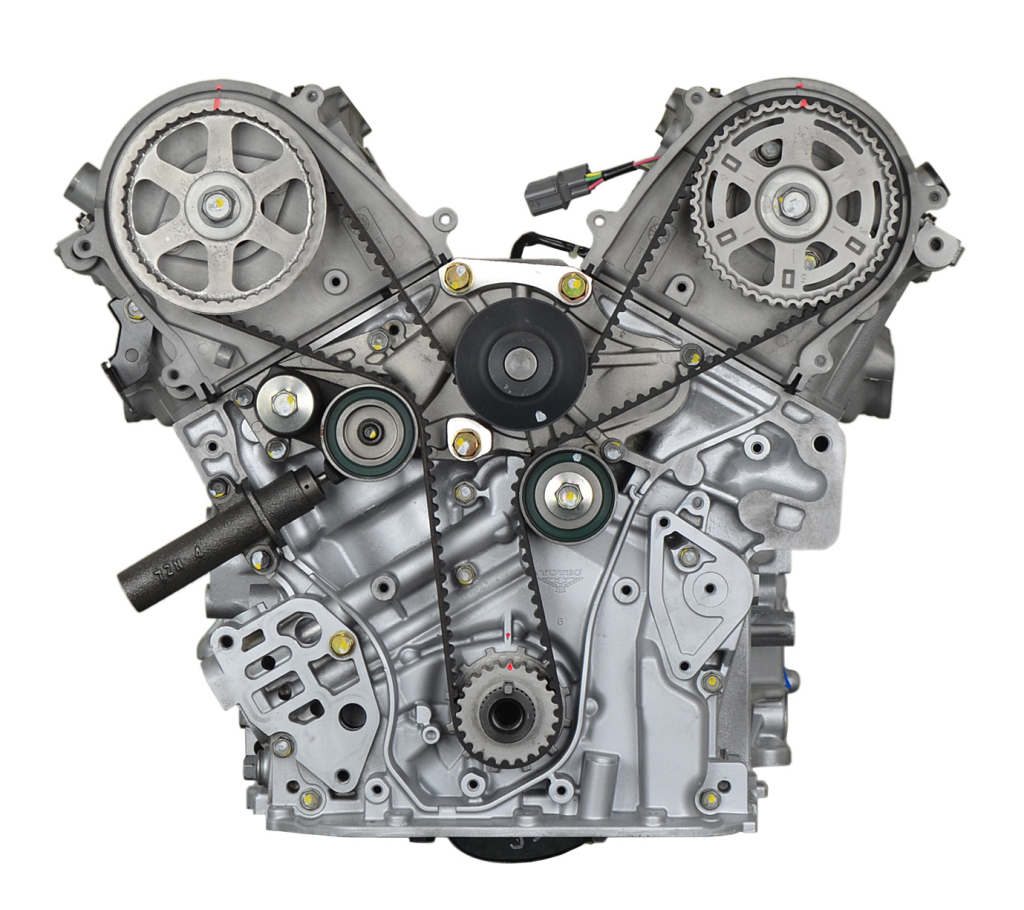
This engine features an all-aluminum alloy construction for both its cylinder block and cylinder heads, contributing to reduced weight and improved thermal management. It utilizes a multi-point programmed fuel injection system (PGM-FI) for precise fuel delivery. A defining characteristic of the J32A2 is its implementation of Honda’s Variable Valve Timing and Lift Electronic Control (VTEC) system, which optimizes valve operation for both low-RPM torque and high-RPM horsepower. The J32A2 further benefited from a drive-by-wire throttle system in its later applications, enhancing throttle response and integration with vehicle systems.
The J32A2 engine was primarily deployed in the North American market, powering the performance-oriented variants of Acura vehicles. Its most notable applications include the 2001-2003 Acura CL Type-S and the 2002-2003 Acura TL Type-S. These vehicles leveraged the J32A2’s increased power output and VTEC advantages to deliver a more engaging driving experience.
Technical Specifications
| Displacement (cc) | 3210 |
| Max Power (hp (kW) @ RPM) | 260 hp (194 kW) @ 6100 RPM |
| Max Torque (Nm (kg*m) @ RPM) | 315 Nm (32.1 kg*m) @ 3500-5500 RPM |
| Fuel Type | Premium Unleaded (91+ RON) |
| Fuel Consumption (l/100 km) | Approximately 11.8 (Combined, representative for CL Type-S) |
| Engine Type | J-series V6, SOHC VTEC |
| Compression Ratio | 10.5:1 |
| Cylinder Bore (mm) | 89.0 |
| Piston Stroke (mm) | 86.0 |
| Valvetrain | SOHC VTEC |
| Valves per Cylinder | 4 |
| Additional Info | Aluminum Alloy Block & Heads, Multi-Point PGM-FI, Drive-by-Wire (2003 CL Type-S) |
Common Problems & Reliability
- Timing Belt System: While not a defect, neglect of the timing belt service is a critical failure point. The J32A2 is an interference engine, meaning a broken timing belt will result in catastrophic valve and piston damage.
- Valve Cover Gasket Leaks: With age and mileage, valve cover gaskets can become brittle and lead to oil leaks, typically manifesting on the rear cylinder bank. This is a common maintenance item rather than a fundamental design flaw.
- Oil Consumption: Some higher-mileage examples may exhibit increased oil consumption, though generally less severe than with certain other engine designs. Regular monitoring of oil levels is advised.
Under proper and consistent maintenance, the Acura J32A2 engine is capable of achieving significant longevity, often exceeding 200,000 to 300,000 miles (320,000 to 480,000 km) before requiring a major overhaul.
Maintenance Tips & Service Schedule
- Engine Oil & Filter: Replace every 5,000-7,500 miles (8,000-12,000 km) or 6 months, whichever comes first. Use a high-quality 5W-30 synthetic blend or full synthetic oil.
- Spark Plugs: Replace iridium-tipped spark plugs every 105,000 miles (168,000 km).
- Timing Belt Service: This is crucial. Replace the timing belt, water pump, timing belt tensioner, and idler pulleys every 105,000 miles (168,000 km) or 7 years.
- Coolant Flush: Drain and refill the cooling system with Honda Type 2 Long-Life Coolant every 5 years or 60,000 miles (96,000 km) after the initial factory fill.
Conclusion
The Acura J32A2 engine stands as a robust and performance-oriented V6. Its VTEC technology provides a compelling balance of power and efficiency. For a used vehicle buyer, it represents a generally reliable choice, provided the critical timing belt service has been meticulously performed or is planned. Awareness of potential age-related leaks and adherence to the specified maintenance schedule will ensure continued longevity and an enjoyable driving experience.