
Overview & Design Features
The Acura LEA-MF6 designation identifies a specific variant of Honda’s J-series 3.5-liter V6 engine, renowned for its balance of power, efficiency, and refinement. Manufactured by Acura, this naturally aspirated power unit features a displacement of 3471 cubic centimeters and employs a V6 cylinder configuration. It represents a significant evolution in the J-series lineup, integrating advanced technologies to meet modern performance and emissions standards.
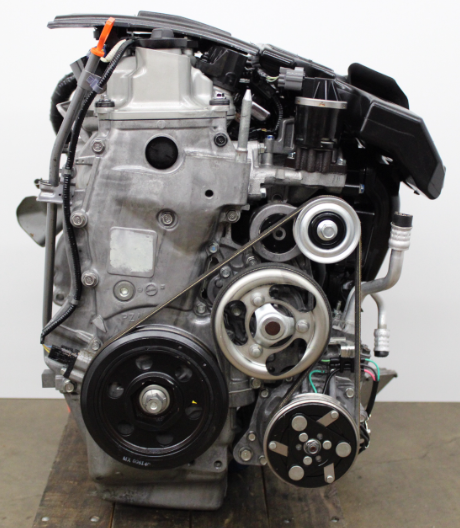
Core engineering features include an all-aluminum alloy cylinder block and cylinder heads, contributing to reduced weight and improved thermal management. This engine utilizes a sophisticated direct fuel injection system (PGM-FI) for precise fuel delivery, enhancing both power output and fuel economy. A key component of its design is the Honda i-VTEC (Intelligent Variable Valve Timing and Lift Electronic Control) system, which optimizes valve operation for varying engine speeds, along with Variable Cylinder Management (VCM), allowing the engine to operate on three or four cylinders under light loads to conserve fuel.
This specific LEA-MF6 engine variant was primarily deployed in key Acura models. It powered the 2014-2020 Acura MDX (YD3 generation) and the 2015-2020 Acura TLX V6 (UB1/UB2 generations), often paired with Acura’s Super Handling All-Wheel Drive (SH-AWD) system or front-wheel drive configurations. It was a cornerstone for Acura’s mid-size luxury SUV and sedan offerings during its production run.
Technical Specifications
| Displacement | 3471 cc |
| Max Power | 290 hp (216 kW) @ 6200 RPM |
| Max Torque | 362 Nm (36.9 kg*m) @ 4500 RPM |
| Fuel Type | Premium Unleaded (91+ RON recommended) |
| Fuel Consumption | ~9.8 l/100 km (combined, representative MDX SH-AWD) |
| Engine Type | V6, SOHC, PGM-FI (Direct Injection) |
| Compression Ratio | 11.5:1 |
| Cylinder Bore | 89 mm |
| Piston Stroke | 93 mm |
| Valvetrain | SOHC (Single Overhead Camshaft) |
| Valves per Cylinder | 4 (24 valves total) |
| Additional Info | i-VTEC, Variable Cylinder Management (VCM), Direct Injection |
Common Problems & Reliability
While the LEA-MF6 is largely reliable, certain issues are associated with its design, particularly the Variable Cylinder Management (VCM) system. Common problems include increased oil consumption, leading to spark plug fouling and potential misfires, especially in cylinders that frequently deactivate. This can also contribute to premature wear of engine mounts due due to harmonic vibrations during VCM transitions. Furthermore, as a direct-injection engine, there is a susceptibility to carbon buildup on intake valves over extended mileage, potentially impacting performance and efficiency if not addressed. The LEA-MF6 variant, like other J-series engines, relies on a timing belt, which is a critical maintenance item requiring replacement at specific intervals. Under diligent maintenance, this engine typically achieves a service life exceeding 320,000 km (200,000 miles) before major overhaul considerations.
Maintenance Tips & Service Schedule
Proactive maintenance is key to the longevity of the Acura LEA-MF6 engine. Engine oil should be replaced using full synthetic 0W-20 viscosity oil every 8,000-12,000 km (5,000-7,500 miles) or as indicated by the vehicle’s Maintenance Minder system. This frequency is particularly important to mitigate VCM-related oil consumption. Spark plugs require inspection and replacement typically around 160,000 km (100,000 miles). The timing belt, along with the water pump and tensioner, is a crucial service item and must be replaced every 160,000-168,000 km (100,000-105,000 miles). Regular coolant flushes, utilizing Acura-specific coolant, are recommended at initial 160,000 km, then every 80,000 km (50,000 miles). For direct injection engines, periodic intake valve cleaning to address carbon buildup may be beneficial to maintain optimal performance.
Conclusion
The Acura LEA-MF6 engine generally represents a robust and refined powertrain choice for a used vehicle buyer. Its combination of performance, relative fuel efficiency for a V6, and overall durability makes it an attractive option. However, prospective owners should be aware of the potential for VCM-related issues and the need for meticulous adherence to service schedules, especially regarding oil changes and timing belt replacement. With proper preventative maintenance, this engine is a reliable choice capable of delivering many years of service.