
Overview & Design Features
The Acura B17A1 is a high-performance, naturally aspirated inline four-cylinder engine produced by Honda for its premium Acura division. Featuring a 1.7-liter (1678 cc) displacement, this engine is renowned for being the first VTEC (Variable Valve Timing and Lift Electronic Control) powerplant introduced in a North American Acura Integra. Its introduction marked a significant technological advancement for the compact sports car segment, blending everyday drivability with a spirited high-RPM power band.
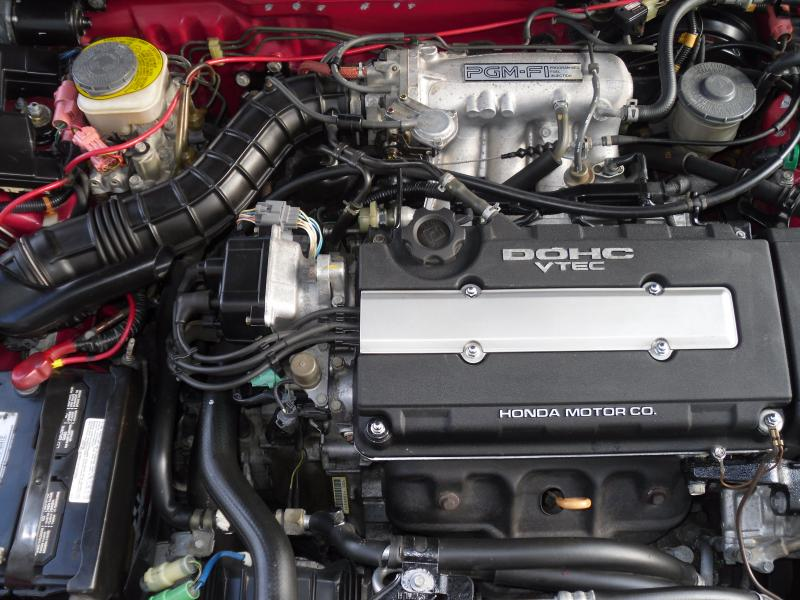
Engineered for optimal performance, the B17A1 features a lightweight aluminum alloy cylinder block with a “wet” cast-iron liner design and an aluminum alloy cylinder head. Fuel delivery is managed by Honda’s advanced Multi-Point Programmed Fuel Injection (PGM-FI) system, ensuring precise fuel metering. The core of its performance lies in the Dual Overhead Camshaft (DOHC) VTEC system, which dynamically alters valve lift and duration on both intake and exhaust valves at a specific RPM threshold, allowing for superior volumetric efficiency across the engine’s operating range.
This specific B17A1 engine variant was exclusively deployed in the 1992-1993 Acura Integra GS-R models (DB2 chassis code for the coupe and DA9 for the sedan, though the B17A1 was primarily known for the coupe) sold in the North American market. It served as the pinnacle of performance for the second-generation Integra lineup, distinguishing the GS-R trim with its unique VTEC technology and elevated power output.
Technical Specifications
| Displacement (cc) | 1678 |
| Max Power (hp (kW) @ RPM) | 160 (119) @ 7600 |
| Max Torque (Nm (kg*m) @ RPM) | 159 (16.2) @ 7000 |
| Fuel Type | Premium Unleaded (91+ RON recommended) |
| Fuel Consumption (l/100 km) | Approx. 9.4 (combined, estimate) |
| Engine Type | Inline 4-cylinder, DOHC VTEC |
| Compression Ratio | 10.0:1 |
| Cylinder Bore (mm) | 81 |
| Piston Stroke (mm) | 81.4 |
| Valvetrain | DOHC, 16-valve, VTEC |
| Valves per Cylinder | 4 |
| Additional Info | Aluminum block/head, Multi-Point PGM-FI |
Common Problems & Reliability
The B17A1 is fundamentally a robust engine, but specific issues can arise, particularly in high-mileage examples. A common concern is increased oil consumption, especially noticeable during VTEC engagement due to the engine’s high-revving nature and the age of internal seals. Additionally, the distributor O-ring is a known leak point, often leading to oil seepage down the block. Neglect of timing belt replacement is catastrophic; the B17A1 is an interference engine, meaning valve-to-piston contact will occur if the belt breaks. VTEC solenoid gasket leaks or clogged solenoid screens can also cause VTEC engagement issues or oil leaks.
With diligent maintenance, including regular oil changes and adherence to service schedules, the Acura B17A1 engine can reliably exceed 200,000 miles (approximately 320,000 km) before requiring a major overhaul.
Maintenance Tips & Service Schedule
- Engine Oil: Use high-quality synthetic 5W-30 or 10W-30 motor oil. Change every 3,000-5,000 miles (5,000-8,000 km), especially given the engine’s age and performance nature.
- Spark Plugs: Replace iridium or platinum spark plugs every 60,000-100,000 miles (100,000-160,000 km).
- Timing Belt: This is a critical service. The timing belt, water pump, and tensioner should be replaced together every 60,000-90,000 miles (100,000-145,000 km) to prevent catastrophic engine damage.
- Coolant Flush: Perform a coolant system flush and refill with Honda-specific or equivalent ethylene glycol-based coolant every 3 years or 30,000 miles (50,000 km).
- Valve Adjustment: Inspect and adjust valve clearances every 30,000 miles (50,000 km) to maintain optimal performance and prevent premature valvetrain wear.
- Distributor O-ring: Monitor for leaks and replace the distributor O-ring as needed to prevent oil loss.
Conclusion
The Acura B17A1 stands as an iconic and highly desirable engine for enthusiasts due to its groundbreaking VTEC technology and spirited performance. For a used vehicle buyer, it represents a reliable choice, provided that its strict maintenance history has been adhered to, particularly regarding the timing belt. While it may exhibit some age-related quirks like oil consumption, these are generally manageable. A pre-purchase inspection by a qualified mechanic is always recommended to assess the engine’s specific condition and verify proper VTEC operation.