
Overview & Design Features
The Acura B18B1 engine is a naturally aspirated, 1.8-liter (1834 cc) inline-four gasoline engine produced by Honda Motor Co. Ltd. for its Acura luxury division. Part of the highly successful B-series engine family, the B18B1 is specifically known for its robust design, reliability, and smooth power delivery. It represents a significant chapter in Honda’s engineering prowess, establishing a reputation for durable and efficient power plants, particularly in the compact sports car segment during the 1990s.
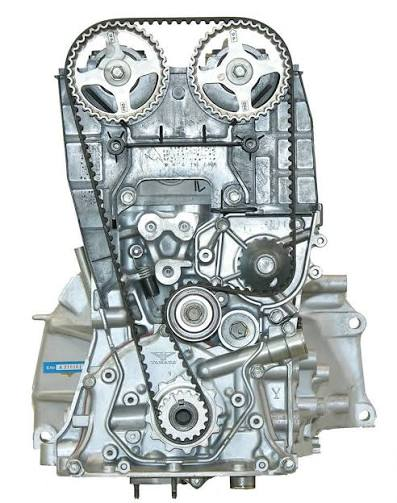
This engine features a cast-iron cylinder block for durability and an aluminum alloy cylinder head for weight reduction and efficient heat dissipation. It utilizes a multi-point fuel injection (MPFI) system, delivering precise fuel metering for optimal combustion. The valvetrain consists of a dual overhead camshaft (DOHC) configuration with four valves per cylinder, totaling 16 valves. Crucially, unlike some of its B-series brethren (e.g., B18C), the B18B1 does not incorporate Honda’s VTEC variable valve timing system, focusing instead on consistent, linear power delivery across the rev range, which contributes to its reputation for straightforward reliability.
The B18B1 engine was primarily deployed in the Acura Integra LS, GS, RS, and SE models in North America during the third generation (DC2/DB8 chassis) from 1994 to 2001. It also saw limited use in other Honda models, such as the Honda Orthia in certain international markets. This engine provided a blend of performance and fuel economy that made the Integra a popular choice among enthusiasts and daily drivers alike.
Technical Specifications
| Specification | Value |
|---|---|
| Displacement (cc) | 1834 |
| Max Power (hp (kW) @ RPM) | 140 (104) @ 6300 |
| Max Torque (Nm (kg*m) @ RPM) | 168 (17.1) @ 5200 |
| Fuel Type | Unleaded Gasoline (Recommended 87 RON) |
| Fuel Consumption (l/100 km) | ~8.5 (Combined cycle, model dependent) |
| Engine Type | Inline-Four, DOHC, 16-Valve |
| Compression Ratio | 9.2:1 (Early models), 9.4:1 (Later models) |
| Cylinder Bore (mm) | 81 |
| Piston Stroke (mm) | 89 |
| Valvetrain | Dual Overhead Camshaft (DOHC) |
| Valves per Cylinder | 4 |
| Additional Info | Non-VTEC, Multi-Point Fuel Injection (MPFI) |
Common Problems & Reliability
The Acura B18B1 is renowned for its exceptional reliability; however, like any internal combustion engine, it exhibits a few predictable issues, particularly with increasing mileage. One common weak point involves various oil seals and gaskets. The distributor O-ring is prone to hardening and leaking, leading to oil seepage on the back of the engine. Similarly, valve cover gaskets and cam seals can degrade over time, manifesting as external oil leaks. These issues are generally minor and easily remediated with replacement seals.
Another area of concern, primarily on engines with deferred maintenance or very high mileage, can be accelerated wear of main and rod bearings. This typically stems from irregular oil changes, using incorrect oil viscosity, or sustained high-RPM operation without adequate lubrication. Neglect in this area can lead to low oil pressure and eventually catastrophic engine failure. Expected service life for a properly maintained B18B1 engine often exceeds 250,000 miles (400,000 km) before requiring a major overhaul, with many examples surpassing 300,000 miles (480,000 km).
Maintenance Tips & Service Schedule
Maintaining the Acura B18B1 engine largely revolves around adhering to a consistent service schedule to prevent the onset of common issues and ensure its longevity. Regular oil changes are paramount: use a high-quality 5W-30 or 10W-30 conventional or synthetic blend motor oil every 3,000-5,000 miles (5,000-8,000 km), depending on driving conditions and oil type. Consistent oil analysis can further optimize this interval.
Spark plugs should be inspected and replaced every 30,000 miles (48,000 km) or as specified by the manufacturer, typically using NGK or Denso iridium or platinum plugs. Given its timing belt-driven valvetrain, timely replacement of the timing belt is critical. Honda recommends this service every 60,000-105,000 miles (100,000-160,000 km). It is highly advisable to replace the water pump, tensioner, and idler pulleys simultaneously during this service to avoid future labor costs and prevent potential component failures. Coolant flushes should occur every 30,000 miles (48,000 km) or every two to three years using Honda-approved coolant to prevent corrosion and maintain cooling system efficiency. Regular inspection of accessory belts, hoses, and fluid levels (power steering, brake fluid, transmission fluid) is also recommended at every oil change interval.
Conclusion
The Acura B18B1 engine stands as a testament to Honda’s engineering philosophy of durability and efficient performance. Its non-VTEC design contributes to a simpler, inherently robust system, making it an excellent choice for a used vehicle buyer seeking a reliable and straightforward power plant. With a diligent maintenance history and continued adherence to recommended service intervals, this engine offers exceptional longevity and predictable operation. It represents a safe and reliable choice, capable of providing many more years and miles of service, making vehicles equipped with the B18B1 highly desirable in the used market.