
Overview & Design Features
The Infiniti VG30DE is a naturally aspirated, 3.0-liter V6 engine developed by Nissan for its premium Infiniti brand and other performance-oriented Nissan vehicles. Part of the venerable VG engine family, the VG30DE variant represents a significant step forward in performance and refinement from its SOHC predecessors, delivering a balance of smooth power delivery and durability. This engine distinguished itself through its advanced DOHC architecture in an era where SOHC V6s were still prevalent, marking its historical significance in Nissan’s engineering lineage for luxury and sports applications.
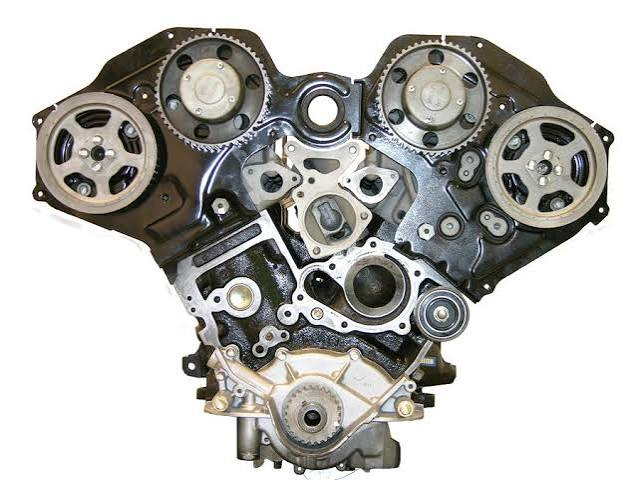
Engineered with performance and longevity in mind, the VG30DE features a robust cast-iron cylinder block, which provides exceptional structural integrity and vibration damping. Its cylinder heads are constructed from lightweight aluminum, incorporating a Dual Overhead Camshaft (DOHC) design for each bank of cylinders, facilitating precise control over the 24 valves (four per cylinder). Fuel delivery is managed by a multi-point electronic fuel injection system, optimized for efficient combustion and responsive throttle input. While lacking advanced variable valve timing common in later engines, its fixed DOHC setup was a hallmark of performance for its time, enabling a broad powerband and a willingness to rev.
The VG30DE engine was primarily deployed in the North American market in the 1993-1997 Infiniti J30 sedan, where it served as the sole powertrain option, providing a refined and spirited driving experience. Globally, this engine also powered the naturally aspirated versions of the 1990-1996 Nissan 300ZX (Z32) in markets where the Twin Turbo variant was not standard or desired, as well as the JDM-specific Nissan Leopard J.FERIE. Its application in these models underscores its role as a capable and reliable power unit for executive sedans and sports coupes alike.
Technical Specifications
| Specification | Value |
|---|---|
| Displacement (cc) | 2960 cc |
| Max Power (hp (kW) @ RPM) | 222 hp (166 kW) @ 6400 RPM |
| Max Torque (Nm (kg*m) @ RPM) | 272 Nm (27.7 kg*m) @ 4800 RPM |
| Fuel Type | Premium Unleaded (91+ RON) |
| Fuel Consumption (l/100 km) | 11-13 l/100 km (Combined, varies by vehicle) |
| Engine Type | V6, DOHC, 24-valve, Naturally Aspirated |
| Compression Ratio | 10.5:1 |
| Cylinder Bore (mm) | 87.0 mm |
| Piston Stroke (mm) | 83.0 mm |
| Valvetrain | DOHC (Dual OverHead Cam) |
| Valves per Cylinder | 4 |
| Additional Info | Cast iron block, aluminum cylinder heads. Multi-point electronic fuel injection. |
Common Problems & Reliability
The VG30DE is generally regarded as a robust and reliable engine when properly maintained, but its age and design can lead to specific issues. One of the most critical aspects is the timing belt service. This engine utilizes a timing belt rather than a chain, and failure to replace it at the manufacturer-recommended intervals (typically 60,000 miles or 100,000 km, or every 7 years) can result in catastrophic engine damage due to interference design. Neglected timing belts are a primary cause of major failures in high-mileage examples.
Another common concern for the VG30DE are oil leaks. Over time, rubber gaskets and seals, such as valve cover gaskets, oil pan gaskets, and the rear main seal, can harden and become brittle, leading to noticeable oil seepage. While often not immediately catastrophic, these leaks can be messy and, if severe, lead to low oil levels. Additionally, aging ignition system components, including coil packs and spark plug wires, are prone to degradation, causing misfires and reduced performance. Replacement of these items is often required for engines with significant mileage.
With diligent maintenance, the VG30DE is known for its longevity. Engines exhibiting proper care are frequently observed to exceed 250,000 kilometers (approximately 150,000 miles) before requiring a major overhaul. However, reaching higher mileages without significant issues is heavily dependent on adherence to the service schedule and prompt addressing of developing problems.
Maintenance Tips & Service Schedule
- Engine Oil & Filter: Regular oil changes are paramount. The VG30DE benefits from fresh engine oil every 5,000 km (3,000 miles) or every 6 months, whichever comes first. Recommended oil viscosities typically fall within 5W-30 or 10W-30, depending on ambient temperature and manufacturer specifications.
- Spark Plugs: Replace iridium or platinum-tipped spark plugs approximately every 100,000 km (60,000 miles). Using high-quality OEM or equivalent plugs is essential for optimal ignition performance.
- Timing Belt & Water Pump: This is a critical service. The timing belt, along with its tensioners and idlers, and the water pump, should be replaced every 100,000 km (60,000 miles) or 7 years. Neglecting this service can lead to severe engine damage.
- Coolant Flush: Perform a coolant system flush and refill every 50,000 km (30,000 miles) or every 2 years to maintain cooling system efficiency and prevent corrosion.
- Air Filter & Fuel Filter: Inspect and replace the air filter annually or every 20,000 km (12,000 miles). The fuel filter typically requires replacement every 40,000-60,000 km (25,000-36,000 miles), though exact intervals may vary.
- Accessory Belts: Inspect serpentine belts for cracks or wear every service and replace as needed, typically every 80,000-100,000 km (50,000-60,000 miles).
Conclusion
The Infiniti VG30DE stands as a testament to Nissan’s engineering prowess from its era, offering a potent and relatively smooth naturally aspirated V6. For a used vehicle buyer, it represents a generally reliable engine, provided its critical maintenance items, particularly the timing belt service, have been meticulously addressed. Vehicles powered by the VG30DE offer a distinct blend of luxury and performance for their vintage. While age-related issues such as oil leaks and ignition component wear are to be expected, these are typically manageable and well-documented. A VG30DE-equipped vehicle can be a solid choice for enthusiasts and buyers willing to commit to a disciplined maintenance schedule, ensuring a rewarding ownership experience for many miles to come.