
Overview & Design Features
The Lexus 1VD-FTV is a distinguished 4.5-liter (4461cc) V8 common rail direct injection twin-turbocharged diesel engine. Developed by Toyota for heavy-duty applications, this engine marks a significant milestone as the manufacturer’s first V8 diesel. Known for its prodigious torque output, exceptional durability, and suitability for demanding conditions, the 1VD-FTV has cemented its reputation as a highly capable and reliable powerplant in the luxury SUV segment, particularly within markets where diesel is preferred for towing and long-distance travel.
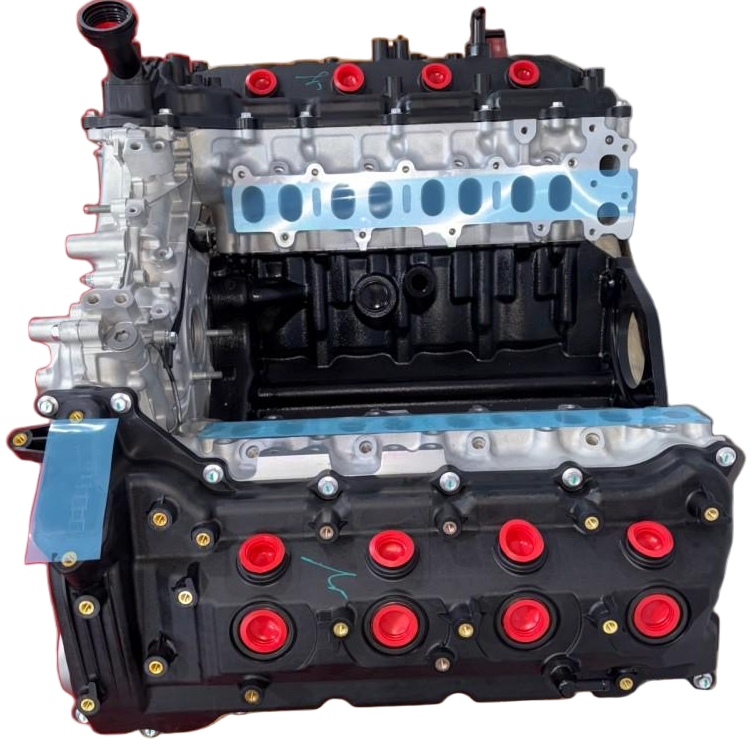
Engineered for strength and longevity, the 1VD-FTV features a robust cast iron cylinder block, ensuring structural rigidity and excellent heat dissipation. The cylinder heads are constructed from an aluminum alloy, contributing to reduced overall weight while maintaining strength. Fuel delivery is managed by a sophisticated common rail direct injection system, providing precise fuel atomization and combustion efficiency. The engine employs a Dual Overhead Camshaft (DOHC) design with four valves per cylinder, totaling 32 valves. Its sequential twin-turbocharger setup enhances responsiveness across the RPM range, with a smaller turbo spooling up quickly for low-end torque and a larger turbo engaging at higher RPMs for sustained power.
Primarily deployed in the most robust platforms within the Toyota and Lexus lineups, the 1VD-FTV engine found extensive application. It was prominently featured in the Toyota Land Cruiser 200 Series, offered in various markets including Australia, the Middle East, and parts of Europe, from its introduction in late 2007 or early 2008. For the Lexus brand, this engine powered the LX 450d variant, primarily catering to European and Australian markets, providing a luxurious yet immensely capable diesel option within the premium SUV segment throughout its production run concurrent with the 200 Series Land Cruiser.
Technical Specifications
| Specification | Value |
|---|---|
| Displacement (cc) | 4461 |
| Max Power (hp (kW) @ RPM) | 268 (200) @ 3400 |
| Max Torque (Nm (kg*m) @ RPM) | 650 (66.3) @ 1600-2800 |
| Fuel Type | Diesel |
| Fuel Consumption (l/100 km) | 10.0 – 12.0 (Combined) |
| Engine Type | V8, DOHC, Twin-Turbo Diesel |
| Compression Ratio | 16.8:1 |
| Cylinder Bore (mm) | 86.0 |
| Piston Stroke (mm) | 96.0 |
| Valvetrain | DOHC |
| Valves per Cylinder | 4 (32 total) |
| Additional Info | Common Rail Direct Injection, Sequential Twin-Turbocharged, Intercooled, Exhaust Gas Recirculation (EGR) |
Common Problems & Reliability
The 1VD-FTV engine is widely recognized for its robust design and high reliability; however, like any complex powerplant, it possesses specific areas that warrant attention. One common concern revolves around the EGR (Exhaust Gas Recirculation) system and its associated cooler. Over time, carbon buildup can occur within the EGR valve and cooler, leading to reduced efficiency, potential engine warning lights, and in some cases, cooler leaks. Neglect of this system can contribute to performance issues and increased emissions. Another consideration pertains to the fuel injector seals. While less prevalent than in some other diesel engines, seal degradation can lead to combustion gas leakage, often termed “black death” due to the tar-like residue it creates, potentially requiring specialized cleaning and seal replacement.
While generally very durable, the sequential twin-turbochargers are precision components and can eventually experience wear, particularly if proper oil maintenance schedules are not rigorously followed or if the engine is frequently operated under strenuous conditions without adequate cool-down periods. Turbocharger failure, though infrequent, can be a significant repair expense. The engine utilizes a timing chain system, which is typically designed for the life of the engine. However, at extremely high mileages (e.g., beyond 300,000 km), inspection for chain stretch or guide wear can become a consideration, although outright failure is rare. With diligent maintenance and proper care, the Lexus 1VD-FTV engine is realistically expected to achieve service lives exceeding 400,000 kilometers (approximately 250,000 miles) before requiring major overhaul, with many examples surpassing this threshold.
Maintenance Tips & Service Schedule
To ensure the longevity and optimal performance of the 1VD-FTV engine, adherence to a stringent maintenance schedule is paramount. Engine oil and filter changes are the most critical service item; these should be performed every 5,000-10,000 kilometers (3,000-6,000 miles) or every 6 months, whichever comes first. Use a high-quality, synthetic diesel-specific engine oil with a viscosity such as 5W-30 or 5W-40, meeting manufacturer specifications (e.g., ACEA C2/C3 or API CJ-4). This is vital for the health and lifespan of the turbochargers and the common rail system.
The fuel filter is equally crucial for common rail direct injection systems. It should be replaced every 20,000-40,000 kilometers to prevent contaminants from reaching the injectors and fuel pump. The air filter requires replacement every 20,000-40,000 kilometers, or more frequently if the vehicle operates in dusty environments, to maintain proper combustion and prevent premature engine wear. Coolant flushes and replacement should be performed every 5 years or 100,000-150,000 kilometers, using the manufacturer-specified long-life coolant. While the timing chain is largely maintenance-free, a professional inspection is prudent at very high mileages (e.g., above 250,000 km) if any unusual noises are detected. Proactive cleaning of the EGR valve and cooler at intervals of 80,000-120,000 kilometers can significantly mitigate carbon buildup issues, especially for vehicles frequently engaged in city driving.
Conclusion
The Lexus 1VD-FTV engine stands as an exemplar of durable and high-performing diesel engineering. Its reputation for immense torque, smooth power delivery, and exceptional reliability makes it a highly desirable powerplant. For a used vehicle buyer, an LX 450d or Land Cruiser 200 equipped with the 1VD-FTV represents a very safe and reliable choice, provided the vehicle has a documented history of consistent and proper maintenance. While specific components like the EGR system and turbochargers warrant attention in terms of proactive servicing, these are generally manageable concerns. Its robust construction and proven track record affirm the 1VD-FTV as an excellent long-term investment for those seeking a powerful and dependable diesel engine capable of enduring challenging conditions.