
Overview & Design Features
The Lexus 2UR-GSE is a high-performance 5.0-liter (4969 cc) naturally aspirated V8 gasoline engine, developed by Toyota’s luxury division, Lexus, specifically for its “F” brand performance vehicles. Introduced in the 2007 Lexus IS F, it marked Lexus’s dedicated entry into the high-performance sedan segment, showcasing a blend of traditional V8 power with advanced automotive engineering. The 2UR-GSE is a derivative of the Toyota UR engine family, heavily re-engineered by Yamaha for performance applications, distinguished by its robust construction and high-revving nature.
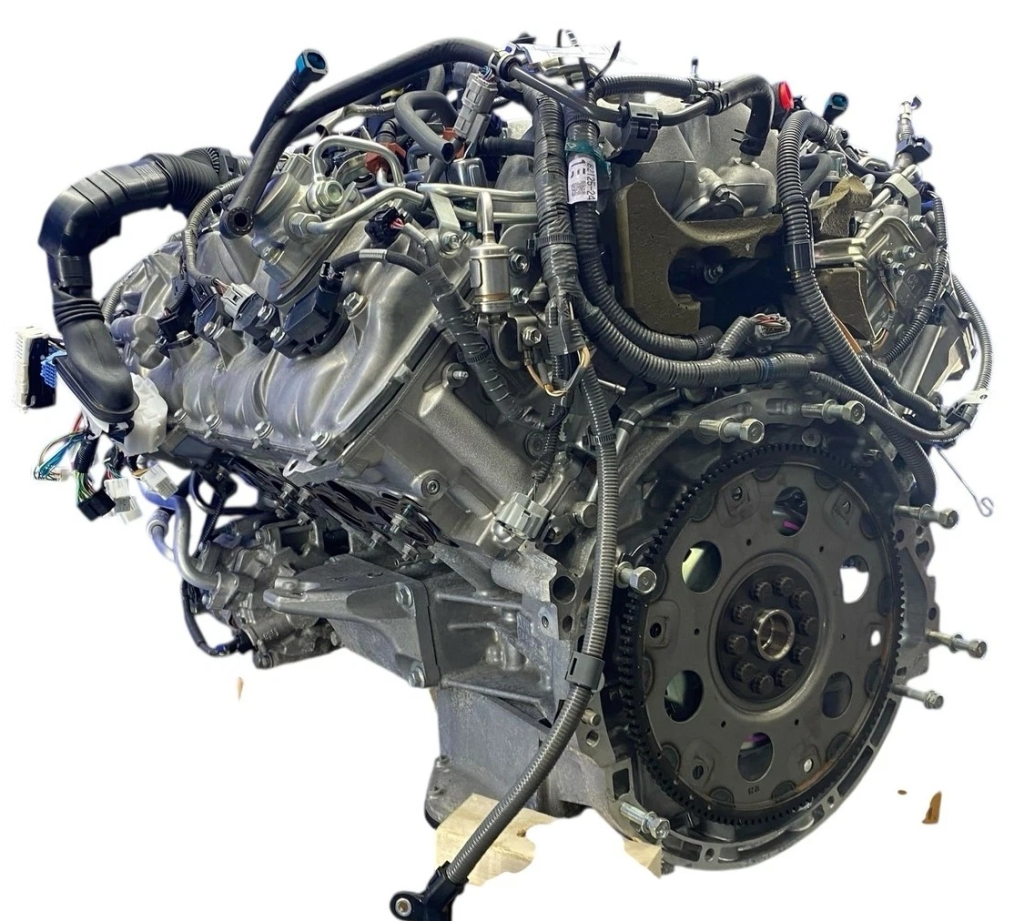
Engineering features of the 2UR-GSE include an aluminum alloy cylinder block and cylinder heads, ensuring a lightweight yet rigid structure. The valvetrain consists of dual overhead camshafts (DOHC) per bank, actuating four valves per cylinder, for a total of 32 valves. A sophisticated Dual Variable Valve Timing with intelligence (Dual VVT-i) system controls both intake and exhaust camshafts for optimal valve overlap and lift across the RPM range. Later iterations, particularly those found in the RC F and LC 500, incorporated VVT-iE on the intake camshafts for electronic control, further enhancing precision. Fuel delivery is managed by Toyota’s D-4S system, combining both port and direct fuel injection. This dual injection strategy optimizes fuel atomization and combustion efficiency, mitigating issues like carbon buildup often associated with purely direct-injected engines.
The 2UR-GSE engine has been exclusively deployed in Lexus’s high-performance “F” series and flagship luxury sports models. Primary vehicle applications include the Lexus IS F (2007-2014), where it debuted with 416 hp. Subsequent and more powerful versions powered the Lexus RC F (2014-present) and Lexus GS F (2015-2020), delivering up to 472 hp depending on the market and specific model year. The current iteration of the 2UR-GSE continues to serve as the powertrain for the Lexus LC 500 (2017-present), maintaining its position as a cornerstone of Lexus performance engineering.
Technical Specifications
| Specification | Value |
|---|---|
| Displacement (cc) | 4969 |
| Max Power (hp (kW) @ RPM) | 472 hp (352 kW) @ 7100 RPM (LC 500/RC F US Spec) |
| Max Torque (Nm (kg*m) @ RPM) | 536 Nm (54.6 kg*m) @ 4800 RPM (LC 500/RC F US Spec) |
| Fuel Type | Premium Unleaded (91+ AKI / 95+ RON) |
| Fuel Consumption (l/100 km) | ~11.7 (Combined, LC 500) |
| Engine Type | Naturally Aspirated V8 |
| Compression Ratio | 12.3:1 (Later versions, e.g., RC F/LC 500) |
| Cylinder Bore (mm) | 94.0 |
| Piston Stroke (mm) | 89.5 |
| Valvetrain | DOHC, 4 valves per cylinder, VVT-iE (Intake), VVT-i (Exhaust) |
| Valves per Cylinder | 4 |
| Additional Info | D-4S (Direct + Port Injection), Aluminum Block/Heads, Forged Connecting Rods, Titanium Intake Valves (later versions) |
Common Problems & Reliability
The Lexus 2UR-GSE is widely regarded for its exceptional reliability and robust engineering, typical of Toyota/Lexus powertrains. However, like any complex high-performance engine, it possesses a few specific areas warranting attention. Early production models of the Lexus IS F (primarily 2007-2009) were subject to a factory recall concerning defective valve springs, which could lead to catastrophic engine failure if not addressed. This issue was subsequently rectified with revised components in later production runs and does not affect the RC F, GS F, or LC 500. A more common issue, though not universal, involves potential coolant leaks from the valley plate, located beneath the intake manifold, as the sealant ages. This typically manifests as a slow, external coolant loss.
While the D-4S dual-injection system effectively minimizes carbon buildup on intake valves compared to pure direct injection engines, some accumulation can still occur over very high mileage. The plastic oil filter housing, common across many Toyota/Lexus models, can become brittle over time and develop cracks, leading to minor oil leaks. Despite these potential issues, the 2UR-GSE demonstrates remarkable longevity. With strict adherence to the manufacturer’s maintenance schedule and proper care, an expected service life exceeding 250,000 miles (400,000 km) before requiring a major overhaul is realistic and common for this engine.
Maintenance Tips & Service Schedule
Maintaining the 2UR-GSE engine properly is crucial for preserving its performance and legendary reliability. Regular oil changes are paramount, recommended every 8,000-10,000 km (5,000-6,000 miles) or every 6 months, using a high-quality synthetic oil with the manufacturer-specified viscosity, typically 5W-30 or 0W-20 for later models, to ensure optimal lubrication and cold-start protection. The oil filter should be replaced with each oil change. Spark plugs require replacement approximately every 96,000 km (60,000 miles) to maintain ignition efficiency.
The engine utilizes a robust timing chain system, designed to last the life of the engine, therefore requiring no routine replacement interval. However, periodic inspection for excessive slack at very high mileages is advisable. Coolant flushes with Toyota Super Long Life Coolant (SLLC) are recommended every 160,000 km (100,000 miles) or 5 years. Air filter replacement should occur every 24,000-48,000 km (15,000-30,000 miles), depending on driving conditions, or whenever visibly soiled. Regular use of premium top-tier gasoline and occasional fuel system cleaner can further support the longevity and cleanliness of the D-4S injection system, preventing injector clogging and minimizing potential carbon deposits.
Conclusion
The Lexus 2UR-GSE engine stands as a testament to Lexus’s commitment to performance and engineering excellence. Its naturally aspirated V8 character, combined with robust construction and sophisticated technology, delivers an engaging driving experience with exceptional power delivery. Despite the early valve spring recall on the IS F, which has largely been addressed, the engine maintains an outstanding reputation for reliability when properly maintained. For a used vehicle buyer, the 2UR-GSE is generally a safe and highly desirable choice, offering a durable, high-performance powertrain that can provide many years of enthusiastic driving with diligent adherence to its prescribed maintenance schedule.