
Overview & Design Features
The Lexus F33A-FTV engine is a sophisticated 3.3-liter (3346 cc) V6 twin-turbocharged diesel powerplant, primarily developed by Toyota for its premium Lexus division and high-end Toyota models. Introduced as a successor to the esteemed 4.5-liter V8 1VD-FTV diesel, the F33A-FTV represents a significant advancement in diesel technology for heavy-duty applications, prioritizing efficiency, refined power delivery, and compliance with modern emission standards. Its deployment marked a strategic shift towards more compact, yet equally capable, diesel engines in the luxury SUV segment, particularly within vehicles built on the robust TNGA-F global platform.
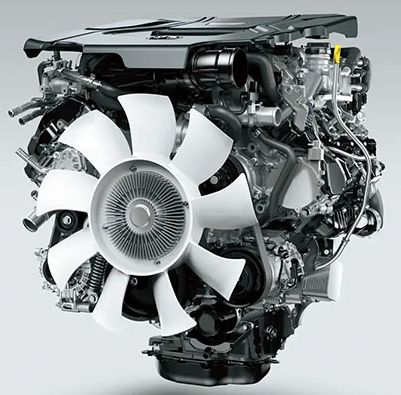
Engineered for durability and performance, the F33A-FTV features a lightweight aluminum alloy cylinder block with cast-iron liners, ensuring robust structural integrity suitable for high-stress operations. It incorporates an advanced DOHC (Double Overhead Camshaft) 24-valve valvetrain system, coupled with Toyota’s VVT-i (Variable Valve Timing-intelligent) technology on the intake camshafts to optimize combustion efficiency across the RPM range. Fuel delivery is handled by a common rail direct injection system, precisely controlled to maximize fuel atomization and minimize particulate emissions. A sequential twin-turbocharger setup provides broad torque delivery, utilizing a smaller turbo for quick response at low RPMs and a larger one for sustained power at higher engine speeds, all cooled by an intercooler.
This powerful and refined diesel engine has been prominently featured in flagship models designed for demanding environments. Its primary deployment includes the Lexus LX 600d (J300 series) since its introduction in 2022, serving as the premium diesel variant for global markets requiring robust performance and luxury. Additionally, it powers the Toyota Land Cruiser 300 series (FJA300) from 2021 onwards, where it is known as the 3.3L Twin-Turbo Diesel, solidifying its role in top-tier off-road and luxury utility vehicles.
Technical Specifications
| Specification | Value |
|---|---|
| Displacement (cc) | 3346 cc |
| Max Power (hp (kW) @ RPM) | 309 hp (227 kW) @ 4000 RPM |
| Max Torque (Nm (kg*m) @ RPM) | 700 Nm (71.4 kg*m) @ 1600-2600 RPM |
| Fuel Type | Diesel |
| Fuel Consumption (l/100 km) | ~8.9 l/100 km (Combined, Lexus LX 600d) |
| Engine Type | V6, Twin-Turbo, DOHC, Direct Injection Diesel |
| Compression Ratio | 15.4:1 |
| Cylinder Bore (mm) | 86.0 mm |
| Piston Stroke (mm) | 96.0 mm |
| Valvetrain | DOHC, 24-valve, VVT-i (intake) |
| Valves per Cylinder | 4 |
| Additional Info | Common Rail Direct Injection, Intercooled Sequential Twin-Turbo |
Common Problems & Reliability
As a relatively new engine, widespread long-term common problems for the F33A-FTV are not extensively documented. However, based on modern diesel engine trends and Toyota’s engineering philosophy, potential areas of concern at high mileage or under specific operating conditions can be anticipated. One common challenge for all modern diesel engines is the Diesel Particulate Filter (DPF). Frequent short trips or prolonged idling can prevent the DPF from reaching regeneration temperatures, leading to clogging and reduced engine performance. Related to emissions control, the Exhaust Gas Recirculation (EGR) valve can accumulate carbon deposits over time, impacting engine efficiency and potentially leading to fault codes if not regularly maintained.
Furthermore, while designed for longevity, high-pressure common rail fuel injectors can eventually experience wear, particularly if poor quality fuel is consistently used or if fuel filter replacement intervals are neglected. Turbocharger components, although robust, are also subject to wear over very high mileage, often preceded by oil leaks or abnormal noises. Despite these potential areas, the F33A-FTV benefits from Toyota’s reputation for building exceptionally reliable and durable engines. With diligent adherence to service schedules and proper operating practices, the engine is expected to achieve a service life exceeding 300,000 kilometers (approximately 186,000 miles) before requiring any major overhaul.
Maintenance Tips & Service Schedule
Optimal performance and longevity of the F33A-FTV engine are directly linked to strict adherence to its prescribed maintenance schedule. Regular engine oil and filter changes are paramount; use only low-SAPS (Sulphated Ash, Phosphorus, and Sulphur) diesel engine oil conforming to the manufacturer’s specified viscosity (e.g., 0W-30 or 5W-30 C2/C3 standards) at intervals of 10,000 km or every 6 months, whichever comes first. This minimizes wear on critical components and protects emission systems.
The fuel filter, a crucial component for diesel engines, should be replaced every 20,000 to 40,000 km, depending on fuel quality and driving conditions, to prevent contaminants from reaching the high-pressure fuel system. The engine utilizes a timing chain, which is designed to last the engine’s lifetime and generally does not require periodic replacement, though inspection of tensioners and guides may be advisable at very high mileages. Air filter replacement is typically recommended every 30,000 to 40,000 km, or more frequently in dusty environments. The cooling system fluid (using Toyota Super Long Life Coolant) should be inspected regularly and typically replaced every 100,000 km or 5 years. Regular inspection of the DPF system for proper regeneration is also advised, especially for vehicles used primarily for short-distance driving.
Conclusion
The Lexus F33A-FTV engine stands as a testament to Toyota’s engineering prowess, delivering a compelling blend of robust power, high torque, and impressive fuel efficiency in a V6 diesel configuration. Its design emphasizes durability and sophisticated emissions control, making it a highly capable powerplant for luxury SUVs requiring significant hauling and off-road capabilities. For a used vehicle buyer, an F33A-FTV equipped model represents a generally safe and reliable choice, provided the vehicle has a verifiable service history demonstrating consistent adherence to manufacturer-recommended maintenance. Its inherent reliability, combined with a diligent maintenance regimen, ensures a long and trouble-free ownership experience, making it a strong contender in the heavy-duty luxury segment.