
Overview & Design Features
The Haval 4G63T is a prominent turbocharged 2.0-liter inline-four engine, a licensed and adapted derivative of the venerable Mitsubishi 4G63T series. Produced by Great Wall Motor, parent company of Haval, this engine has been a cornerstone in various Haval and Great Wall SUV and pickup models, particularly during the late 2000s and early 2010s. Its historical significance lies in bringing reliable, robust turbocharged performance to the Chinese automotive market, leveraging a well-proven, globally recognized engine architecture adapted for local applications and specific performance profiles.
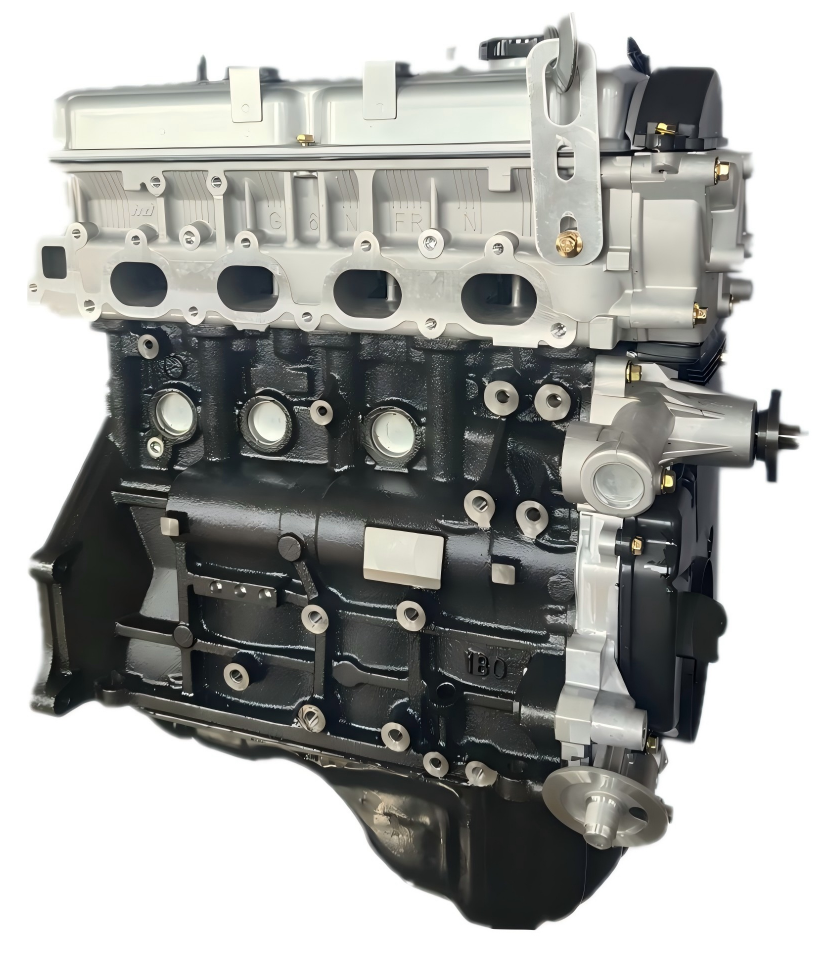
Engineered for durability and performance, the 4G63T features a robust cast-iron cylinder block and an aluminum alloy cylinder head, optimizing both structural integrity and heat dissipation. It utilizes a Double Overhead Camshaft (DOHC) valvetrain with 16 valves, providing efficient airflow for combustion. Fuel delivery is managed by a Multi-Point Injection (MPI) system, and forced induction is provided by an intercooled turbocharger, enhancing power and torque output across a broad RPM range. This design emphasizes reliability and serviceability, characteristic of its Mitsubishi heritage, while Haval’s adaptations focused on emissions compliance and cost-effectiveness for its target markets.
This specific engine variant saw widespread application across several popular Haval and Great Wall models. Key vehicles include the Haval H5 (known as Great Wall Hover H5 in some markets) from approximately 2010 to 2016, and certain iterations of the Haval H6 in its early production years (roughly 2011-2015). It was also found in Great Wall pickup trucks like the Wingle 5 and Wingle 6, serving as a powerful option for utility and off-road vehicles requiring substantial torque and sustained performance. The engine’s deployment typically aligned with higher trim levels or variants where more power was desired.
Technical Specifications
| Specification | Value |
|---|---|
| Displacement (cc) | 1997 |
| Max Power (hp (kW) @ RPM) | 174 (128) @ 5500 (Varies by tune, up to 190hp in some applications) |
| Max Torque (Nm (kg*m) @ RPM) | 250 (25.5) @ 2400-4800 |
| Fuel Type | Gasoline (RON 93/95 recommended) |
| Fuel Consumption (l/100 km) | ~9.5 (Combined Cycle, varies significantly by vehicle and driving conditions) |
| Engine Type | Inline 4-cylinder, DOHC, 16-valve, Turbocharged, Intercooled |
| Compression Ratio | 8.5:1 – 9.0:1 |
| Cylinder Bore (mm) | 85.0 |
| Piston Stroke (mm) | 88.0 |
| Valvetrain | DOHC, 4 valves per cylinder |
| Valves per Cylinder | 4 |
| Additional Info | Multi-Point Fuel Injection (MPI) |
Common Problems & Reliability
The Haval 4G63T, while inherently robust, exhibits certain common issues typical of turbocharged engines of its generation and design, particularly as mileage accumulates. A prevalent concern involves the turbocharger assembly. Negligent oil change intervals or using incorrect oil viscosity can lead to premature wear of the turbocharger’s bearings, resulting in excessive oil consumption, reduced boost pressure, and audible whining or whistling noises. Replacement or rebuild is often necessary for turbos showing significant shaft play or oil leakage. Another common issue is the development of oil leaks, frequently originating from the valve cover gasket, oil pan gasket, or crankshaft seals. These leaks, while often minor initially, can worsen over time and lead to reduced oil levels if not addressed. Lastly, a critical weak point arises from the timing belt system. Failure to adhere to the prescribed timing belt replacement schedule can lead to catastrophic engine damage due as this is an interference engine. Other minor issues can include ignition coil degradation and spark plug fouling contributing to misfires.
Under a regimen of strict, preventative maintenance using quality components and fluids, the Haval 4G63T is capable of achieving a realistic service life of 250,000 to 300,000 kilometers before requiring a major overhaul. Instances of engines exceeding this mileage are not uncommon, provided they have been meticulously cared for throughout their operational life.
Maintenance Tips & Service Schedule
Proactive maintenance is paramount for extending the life and ensuring the reliability of the Haval 4G63T engine. Adherence to a strict service schedule is crucial:
- Engine Oil & Filter: Replace every 7,500 kilometers or 6 months, whichever comes first. Synthetic or semi-synthetic oils with a viscosity of 5W-30 or 5W-40 meeting API SN/Plus or higher specifications are recommended. Frequent oil changes are vital for turbocharger longevity.
- Spark Plugs: Replace every 45,000 to 60,000 kilometers. Using the manufacturer-specified iridium or platinum plugs helps maintain ignition efficiency and fuel economy.
- Timing Belt Kit: This is a critical service. The timing belt, tensioners, and idler pulleys (and often the water pump) should be replaced every 90,000 kilometers or 5 years, whichever comes first. Neglecting this can lead to severe engine damage.
- Coolant: Flush and replace engine coolant every 60,000 kilometers or 2-3 years. Use a long-life, ethylene glycol-based coolant compatible with aluminum components.
- Air Filter: Inspect at every service interval and replace every 15,000-30,000 kilometers, or more frequently in dusty conditions.
- Fuel Filter: Replace every 30,000-45,000 kilometers to prevent fuel system contamination and ensure optimal fuel delivery.
- Turbocharger Care: Allow the engine to idle for 30-60 seconds after high-speed driving to allow the turbocharger to cool down, preventing oil coking. Regularly check for boost leaks and unusual turbocharger noises.
Conclusion
The Haval 4G63T engine presents a generally reliable choice for a used vehicle buyer, especially considering its robust Mitsubishi design lineage. Its proven architecture and widespread use contribute to reasonable parts availability and mechanic familiarity. However, potential buyers must prioritize vehicles with a comprehensive and verifiable service history, with particular attention paid to documented timing belt replacements and consistent oil changes. While known for its durability, neglect of critical maintenance, especially concerning the turbocharger and timing belt, can lead to significant repair costs. A well-maintained 4G63T will offer years of dependable service and respectable performance, making it a safe choice provided due diligence is exercised in assessing its past care.