
Overview & Design Features
The Haval GW4C20B is a 2.0-liter (1967 cc) inline four-cylinder, turbocharged gasoline direct injection (TGDI) engine developed and manufactured by Great Wall Motor (GWM) for its Haval and other GWM brands. Representing a significant advancement in GWM’s powertrain technology, this engine was designed to offer a blend of robust performance, fuel efficiency, and compliance with stringent emission standards. It succeeded earlier naturally aspirated and less sophisticated turbocharged units, becoming a cornerstone for a range of medium to large SUVs and sedans, particularly within the growing Chinese automotive market and its export segments.
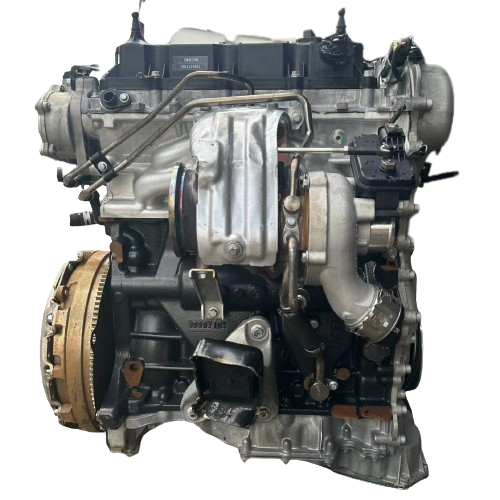
Engineered for contemporary performance, the GW4C20B features an all-aluminum alloy cylinder block and cylinder head, contributing to reduced overall vehicle weight and improved thermal management. It incorporates a twin-scroll turbocharger to minimize turbo lag and enhance low-end torque delivery. Fuel delivery is handled by a high-pressure direct injection system, which optimizes combustion efficiency and reduces fuel consumption. The valvetrain utilizes a Dual Overhead Camshaft (DOHC) configuration with Variable Valve Timing (VVT) on both intake and exhaust camshafts, allowing for precise control over valve overlap and lift, further improving power output and fuel economy across the RPM range.
The Haval GW4C20B engine was widely deployed across various Haval SUV models, including the Haval H6 (2nd and 3rd generation), Haval H7, Haval H8, and Haval H9, often serving as the primary high-performance gasoline engine option. It also powered models like the Haval F7 and F7x. Production years for models featuring this specific engine generally span from approximately 2016 through the early 2020s, with various tunes and minor revisions applied across different vehicle trims and market requirements.
Technical Specifications
| Displacement (cc) | 1967 |
| Max Power (hp (kW) @ RPM) | 197 hp (145 kW) @ 5500 RPM |
| Max Torque (Nm (kg*m) @ RPM) | 345 Nm (35.2 kg*m) @ 2000-3200 RPM |
| Fuel Type | Gasoline (RON 92 or higher recommended) |
| Fuel Consumption (l/100 km) | Approx. 8.3 – 9.0 (combined cycle, varies by vehicle) |
| Engine Type | Inline 4-cylinder, Turbocharged Gasoline Direct Injection (TGDI) |
| Compression Ratio | 9.6:1 |
| Cylinder Bore (mm) | 82.5 |
| Piston Stroke (mm) | 92.0 |
| Valvetrain | DOHC (Dual Overhead Camshaft) with VVT (Variable Valve Timing) |
| Valves per Cylinder | 4 |
| Additional Info | Aluminum block and head, Twin-scroll turbocharger |
Common Problems & Reliability
The GW4C20B engine, while generally robust, exhibits a few common characteristics and potential issues typical of modern turbocharged direct-injection units. One prevalent concern is carbon buildup on the intake valves. Due to the direct injection system, fuel does not wash over the intake valves, leading to carbon deposits from oil vapor and exhaust gas recirculation (EGR). This can reduce airflow, decrease performance, and potentially cause misfires over time. Regular preventative maintenance, such as intake system cleaning, can mitigate this issue.
Another area requiring attention can be the turbocharger assembly. While designed for durability, prolonged exposure to high temperatures and irregular oil changes can lead to premature wear of bearings or seals, resulting in increased oil consumption or reduced boost pressure. Monitoring for unusual noises or decreased power output is advisable.
Occasional reports suggest potential for ignition coil failures, which can manifest as rough idling, misfires, or reduced engine power. These are typically identifiable by diagnostic trouble codes and are relatively straightforward to replace. With diligent adherence to manufacturer-recommended maintenance schedules and using quality parts and fluids, the Haval GW4C20B engine can realistically achieve a service life exceeding 250,000 kilometers before requiring a major overhaul.
Maintenance Tips & Service Schedule
Proper maintenance is paramount for the longevity and optimal performance of the Haval GW4C20B engine. Adherence to a strict service schedule is recommended.
- Engine Oil & Filter: Regular oil changes are critical. The use of a fully synthetic engine oil meeting API SN/SP or ACEA C3 specifications, with a viscosity grade of 5W-30 or 0W-30, is recommended. Intervals should be every 7,500 to 10,000 kilometers or every 6 to 12 months, whichever comes first. Harsh driving conditions may necessitate shorter intervals.
- Spark Plugs: Replace iridium or platinum spark plugs every 60,000 to 80,000 kilometers to ensure efficient combustion and prevent misfires.
- Timing System: The GW4C20B utilizes a timing chain, which is generally designed for the life of the engine. However, periodic inspection for excessive slack or noise is advisable at major service intervals (e.g., 150,000 to 200,000 kilometers) to identify potential wear.
- Coolant: The cooling system should be flushed and refilled with long-life coolant (e.g., OAT type) every 5 years or 100,000 kilometers to prevent corrosion and maintain thermal stability.
- Air Filter: Inspect and replace the engine air filter every 20,000 to 30,000 kilometers, or more frequently if operating in dusty conditions, to ensure clean air intake.
- Fuel Filter: Replace the in-tank fuel filter every 60,000 to 80,000 kilometers, depending on local fuel quality.
Conclusion
The Haval GW4C20B engine stands as a competitive and capable powertrain within its segment, offering a strong balance of performance and efficiency for a variety of Haval vehicles. For a used vehicle buyer, it represents a generally reliable choice, provided the vehicle has a documented history of consistent and proper maintenance. Potential buyers should prioritize vehicles with a clear service record, paying particular attention to oil change intervals and any signs of turbocharger or carbon buildup related issues. With proactive care and adherence to recommended service protocols, this engine can deliver satisfactory performance and longevity, making it a viable option in the used car market.