
Overview & Design Features
The Haval GW4G15F is a compact, turbocharged 1.5-liter gasoline engine developed by Great Wall Motors (GWM) for its Haval brand vehicles. Introduced as a key powertrain option for their growing line of SUVs, this engine represents GWM’s commitment to delivering a balance of performance, fuel efficiency, and modern technology in a cost-effective package. Its inline four-cylinder configuration and relatively small displacement make it suitable for urban driving and light highway use, reflecting a popular trend in the compact SUV segment.
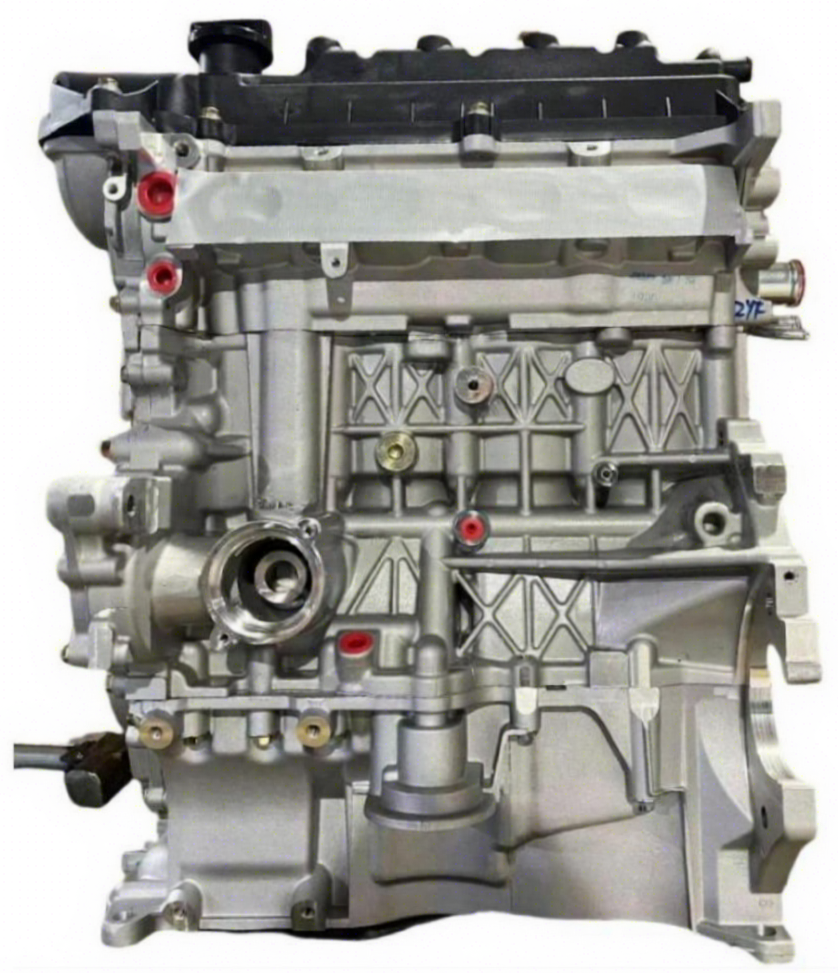
Engineered with contemporary automotive design principles, the GW4G15F features an aluminum alloy cylinder block and cylinder head, contributing to reduced overall engine weight and improved thermal management. It incorporates Dual OverHead Camshafts (DOHC) and Dual Variable Valve Timing (DVVT) on both intake and exhaust camshafts to optimize valve overlap and lift across the RPM range, enhancing both power output and fuel economy. Fuel delivery is managed by a high-pressure Direct Gasoline Injection (GDI) system, which atomizes fuel directly into the combustion chamber, improving combustion efficiency and power density, especially beneficial when paired with its single-scroll turbocharger system.
This specific engine variant has been widely deployed across several Haval models, serving as a primary powerplant for vehicles designed for various international markets. Key applications include the Haval H2 (post-2016 models), the Haval M6, and notably, the Haval Jolion, often paired with either a 6-speed manual or a 7-speed wet-type Dual-Clutch Transmission (DCT). Its widespread use underscores its foundational role within Haval’s product strategy during its production years.
Technical Specifications
| Specification | Value |
|---|---|
| Displacement (cc) | 1497 |
| Max Power (hp (kW) @ RPM) | 147 (108) @ 5600 |
| Max Torque (Nm (kg*m) @ RPM) | 210 (21.4) @ 1800-4400 |
| Fuel Type | Gasoline (Unleaded, min. RON 92 recommended) |
| Fuel Consumption (l/100 km) | Approximately 6.8 – 7.5 (Combined Cycle, dependent on vehicle) |
| Engine Type | Inline 4-cylinder, DOHC, Turbocharged, GDI |
| Compression Ratio | 9.8:1 |
| Cylinder Bore (mm) | 74.5 |
| Piston Stroke (mm) | 85.6 |
| Valvetrain | DOHC (Dual Overhead Camshaft) |
| Valves per Cylinder | 4 (16 valves total) |
| Additional Info | Dual VVT, Intercooled Turbocharger |
Common Problems & Reliability
The Haval GW4G15F engine generally exhibits reasonable reliability, aligning with its design and target market. However, like many modern GDI turbocharged engines, it is not without specific areas requiring attention:
- Carbon Buildup on Intake Valves: Due to the direct injection design, fuel is not sprayed over the intake valves to clean them. This can lead to carbon deposits accumulating on the back of the intake valves, potentially causing misfires, reduced power, and decreased fuel efficiency over extended mileage. Regular intake system cleaning, often involving walnut blasting, may be required at significant intervals.
- Turbocharger Longevity: The integrated turbocharger is critical for this engine’s performance. While generally robust, cases of wastegate actuator issues or bearing wear have been reported, particularly in vehicles that have not received consistent oil changes or have been subjected to aggressive driving without proper cool-down periods.
- Ignition System Components: Spark plugs and ignition coils can be sensitive to fuel quality and extreme operating conditions. Premature failure of these components can lead to rough idling, hesitation, and engine fault codes.
With diligent maintenance and proper driving habits, the GW4G15F engine is realistically expected to achieve a service life of 200,000 to 250,000 kilometers before potentially requiring a major overhaul or significant component replacement.
Maintenance Tips & Service Schedule
Optimal performance and longevity of the GW4G15F engine are highly dependent on adherence to a strict maintenance schedule:
- Engine Oil & Filter: Recommended replacement every 7,500 to 10,000 kilometers or every 6-12 months, whichever comes first. Use a fully synthetic engine oil conforming to API SN/SP or ACEA A3/B4 specifications, with a viscosity grade of 5W-30 or 5W-40, suitable for turbocharged engines.
- Spark Plugs: Inspection and replacement every 40,000 to 60,000 kilometers. Utilize OEM-specified iridium spark plugs for optimal ignition and longevity.
- Air Filter: Inspect annually or every 15,000 kilometers; replace every 30,000 kilometers or sooner in dusty conditions.
- Fuel Filter: Typically integrated into the fuel pump module and considered a long-life item; however, refer to the manufacturer’s manual for specific inspection/replacement intervals.
- Timing Chain: The GW4G15F utilizes a timing chain, generally designed for the engine’s lifespan. Periodic inspection for noise or excessive slack is recommended after 150,000 kilometers.
- Coolant: Flush and replace every 60,000 kilometers or every 2-3 years, using the manufacturer-specified long-life coolant to prevent corrosion and maintain cooling system efficiency.
- GDI System Maintenance: Proactive measures against carbon buildup include using reputable high-detergent fuels and considering professional intake valve cleaning (e.g., walnut blasting) every 100,000-150,000 kilometers, or if symptoms arise.
Conclusion
The Haval GW4G15F engine stands as a competent and widely used power unit within its segment. It provides a respectable balance of power and fuel efficiency for compact SUVs, largely due to its modern direct injection and turbocharging technologies. For a used vehicle buyer, this engine can be considered a generally safe and reliable choice, provided the vehicle has a documented service history demonstrating adherence to the manufacturer’s maintenance schedule. Awareness and proactive management of potential GDI-related carbon buildup and proper turbocharger care are crucial for ensuring its long-term reliability and performance. A pre-purchase inspection by a qualified mechanic is always recommended to assess the engine’s overall condition and identify any specific concerns.