
Overview & Design Features
The IVECO F2CFE613E is a prominent heavy-duty diesel engine, part of the Cursor 13 family manufactured by FPT Industrial (Fiat Powertrain Technologies), a brand under the IVECO Group. Characterized by its robust inline six-cylinder configuration and approximately 12.9-liter displacement, this engine is engineered for demanding commercial and industrial applications. Historically, Cursor engines have been foundational to IVECO’s heavy vehicle lineup, providing a blend of power, efficiency, and durability crucial for long-haul transport and severe-duty operations. Its development reflects decades of FPT’s expertise in large-displacement diesel technology, adapting to evolving emissions regulations while maintaining performance.
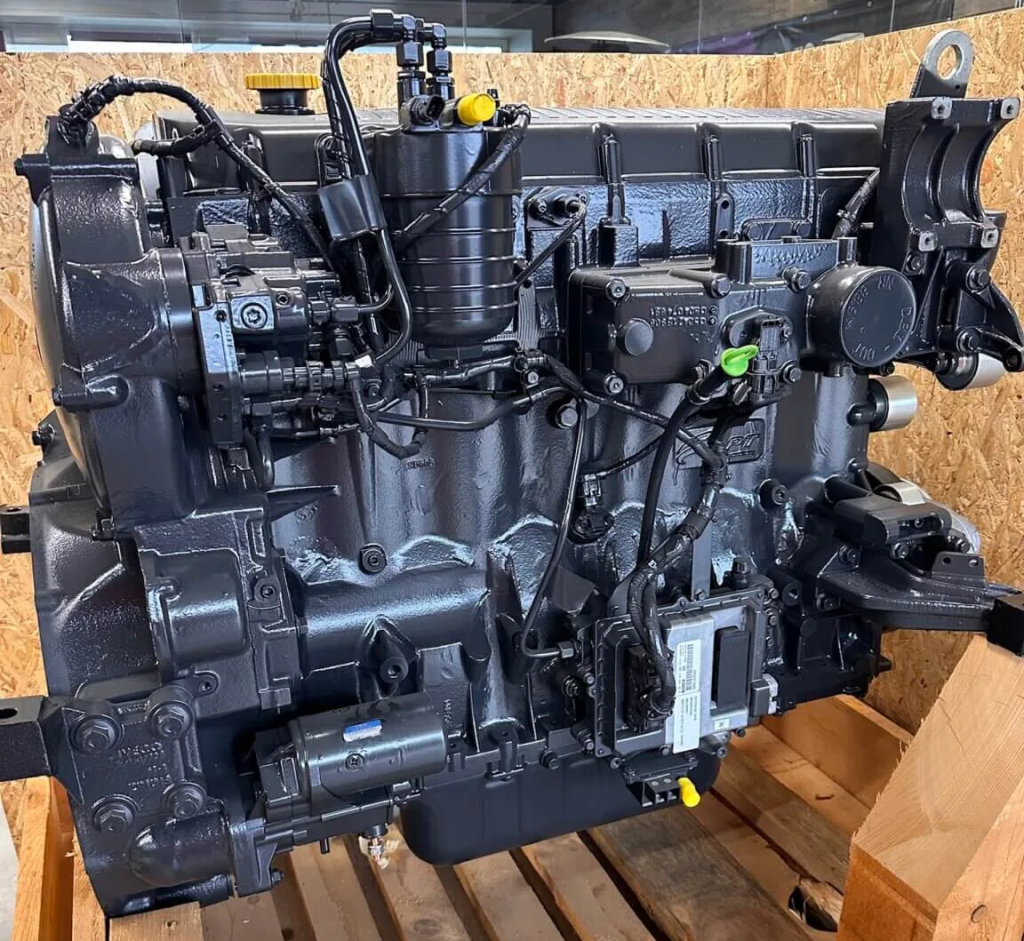
This engine incorporates advanced engineering solutions for optimal performance and emissions control. The cylinder block and head are constructed from high-strength cast iron, providing exceptional rigidity and longevity under high thermal and mechanical stresses. Fuel delivery is managed by a sophisticated Common Rail direct injection system, allowing for precise fuel atomization and combustion control across varying engine speeds and loads. The valvetrain typically features a Single Overhead Camshaft (SOHC) design with four valves per cylinder, optimizing airflow for both intake and exhaust. Modern versions integrate Variable Geometry Turbocharger (VGT) technology for broad torque delivery and improved transient response, complemented by an intercooler to maximize air density entering the cylinders.
The IVECO F2CFE613E engine has been primarily deployed in a range of IVECO’s heavy-duty commercial vehicles. Key applications include the IVECO Stralis, where it serves as a powerful option for long-distance haulage and logistics, and the IVECO Trakker, designed for construction and off-road applications requiring significant torque and reliability. It also finds use in certain industrial power generation units and specialized machinery where a robust, high-output diesel engine is required. Production years typically span from the early 2010s onwards, with continuous evolution to meet Euro V and Euro VI emissions standards, necessitating the integration of systems such as Selective Catalytic Reduction (SCR) and Exhaust Gas Recirculation (EGR).
Technical Specifications
| Specification | Value |
|---|---|
| Displacement (cc) | 12880 |
| Max Power (hp (kW) @ RPM) | 500 (368) @ 1900 (representative; varies by tune) |
| Max Torque (Nm (kg*m) @ RPM) | 2300 (234) @ 1000-1500 (representative; varies by tune) |
| Fuel Type | Diesel |
| Fuel Consumption (l/100 km) | Highly variable depending on vehicle, load, and application; refer to manufacturer’s vehicle-specific documentation. |
| Engine Type | Inline 6-cylinder, Turbocharged Diesel |
| Compression Ratio | 16.5:1 – 17.0:1 |
| Cylinder Bore (mm) | 135 |
| Piston Stroke (mm) | 150 |
| Valvetrain | Single Overhead Camshaft (SOHC) |
| Valves per Cylinder | 4 |
| Additional Info | Variable Geometry Turbocharger (VGT), Common Rail Direct Injection, Intercooler, Selective Catalytic Reduction (SCR) with AdBlue, Exhaust Gas Recirculation (EGR). |
Common Problems & Reliability
- Emissions System Component Failures: As a Euro V/VI compliant engine, the F2CFE613E relies heavily on sophisticated emissions control systems. Failures in components such as the Selective Catalytic Reduction (SCR) system (including AdBlue dosing units and NOX sensors), Diesel Particulate Filter (DPF), and Exhaust Gas Recirculation (EGR) valve/cooler are not uncommon, particularly under adverse operating conditions or due to neglected maintenance. These failures often trigger dashboard warning lights and can lead to reduced engine power or limp-home modes.
- Fuel Injector Issues: The high-pressure Common Rail direct injection system is sensitive to fuel quality and contamination. Clogged or failing injectors can lead to misfires, reduced fuel efficiency, increased smoke, and potential damage to other engine components if not addressed promptly. Regular replacement of fuel filters is critical to mitigating this risk.
- Turbocharger Wear: While generally robust, the Variable Geometry Turbocharger (VGT) can be susceptible to wear over extended mileage, especially if oil change intervals are stretched or incorrect oil specifications are used. Symptoms include excessive smoke, reduced boost pressure, and unusual noises.
- Under proper care and adherence to manufacturer-specified maintenance schedules, the IVECO F2CFE613E is designed for an extensive service life. A realistic expected service life before requiring a major overhaul typically ranges from 800,000 km to 1,500,000 km in heavy-duty commercial applications.
Maintenance Tips & Service Schedule
- Engine Oil and Filter: Perform oil and filter changes using high-quality synthetic heavy-duty diesel engine oil (e.g., ACEA E6/E7 or API CK-4 specification) with a viscosity such as 5W-30 or 10W-40. Intervals can vary significantly based on application and oil analysis, but typically range from 40,000 km to 80,000 km for long-haul vehicles, or annually for lower mileage applications. Always consult the vehicle’s maintenance manual for precise recommendations.
- Fuel Filters: The high-pressure common rail system necessitates clean fuel. Replace primary and secondary fuel filters every 40,000 km to 80,000 km, or more frequently if operating in dusty or challenging conditions, to prevent injector and fuel pump damage.
- Air Filter: Inspect the air filter regularly and replace it as needed, typically every 80,000 km or annually, depending on operating environment. A clogged air filter can reduce power and increase fuel consumption.
- Coolant System: Use long-life organic acid technology (OAT) coolant meeting IVECO specifications. Perform coolant flushes and replacements every 3-5 years or 200,000 km to 400,000 km to prevent corrosion and maintain cooling efficiency.
- AdBlue/DEF System: Ensure the AdBlue tank is kept full with genuine product. AdBlue filters (if fitted) should be replaced according to manufacturer schedules, typically every 100,000 km to 200,000 km, to prevent dosing system malfunctions.
- Valve Clearances: Periodic inspection and adjustment of valve clearances are recommended, typically every 200,000 km to 400,000 km, to maintain optimal engine performance and efficiency.
Conclusion
The IVECO F2CFE613E engine represents a robust and powerful choice for heavy-duty applications. Its design, rooted in FPT’s extensive experience with large-displacement diesels, offers significant performance and generally strong durability. For a used vehicle buyer, this engine can be a safe and reliable option, provided its comprehensive maintenance history is verifiable. A well-maintained F2CFE613E engine, particularly one with diligent attention to its sophisticated emissions systems and fuel quality, offers excellent longevity and continued operational efficiency. Prospective buyers should prioritize vehicles with full service records demonstrating adherence to manufacturer-prescribed intervals and the use of correct fluids and parts, especially concerning the SCR and DPF systems.