
Overview & Design Features
The IVECO F5BFL413A engine is a highly regarded member of the F1C engine family, a series developed by IVECO for its light commercial vehicles and industrial applications. This particular variant is a 2998 cc (3.0-liter) inline four-cylinder diesel engine, renowned for its robust construction, impressive torque delivery, and efficiency in demanding operational environments. It represents a significant advancement in IVECO’s powertrain offerings, providing a blend of performance and durability crucial for its target markets.
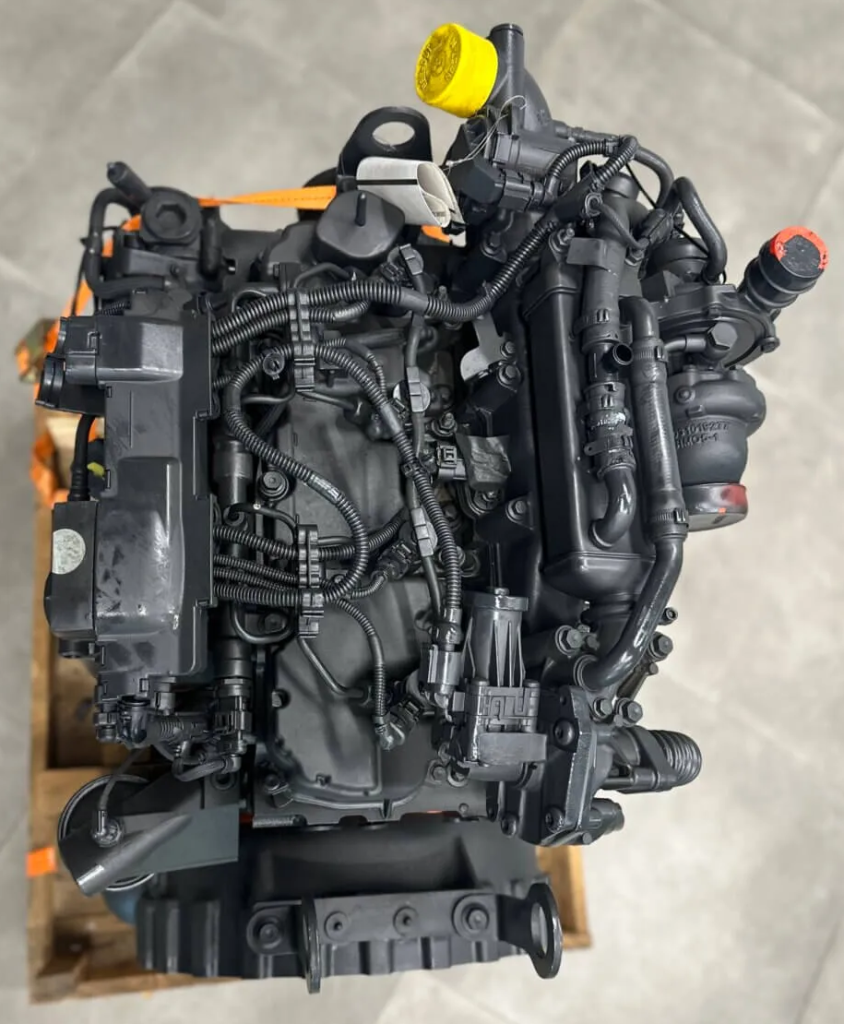
At its core, the F5BFL413A features a heavy-duty cast iron cylinder block, providing exceptional structural rigidity and heat dissipation, paired with a lightweight aluminum alloy cylinder head. Fuel delivery is managed by a sophisticated Bosch Common Rail Direct Injection system, ensuring precise fuel atomization and combustion efficiency across the rev range. This system is often coupled with a variable geometry turbocharger (VGT) and an intercooler, optimizing air intake and boosting power output. The valvetrain typically employs a Double Overhead Camshaft (DOHC) configuration with four valves per cylinder (16V total), facilitating optimal gas flow and volumetric efficiency. Exhaust gas recirculation (EGR) and a Diesel Particulate Filter (DPF) are integral components in later versions to meet stringent emission standards.
The IVECO F5BFL413A engine has been primarily deployed in various configurations of the IVECO Daily light commercial vehicle series. It was widely adopted across multiple generations, including the Daily IV (2006-2011), Daily V (2011-2014), and Daily VI (2014-present), often designated as the “3.0 HPI” or “3.0 HPT” engine options, depending on specific power outputs and turbocharger configurations. Its applications extended to chassis cabs, vans, and minibuses, where its power and reliability were highly valued.
Technical Specifications
| Displacement (cc) | 2998 |
| Max Power (hp (kW) @ RPM) | 170 hp (125 kW) @ 3500 RPM (typical variant) |
| Max Torque (Nm (kg*m) @ RPM) | 400 Nm (40.8 kg*m) @ 1250-3000 RPM (typical variant) |
| Fuel Type | Diesel |
| Fuel Consumption (l/100 km) | Refer to specific vehicle model’s technical documentation (varies significantly by load and driving cycle) |
| Engine Type | Inline-4, Turbocharged Common Rail Direct Injection Diesel |
| Compression Ratio | 17.5:1 |
| Cylinder Bore (mm) | 95.8 |
| Piston Stroke (mm) | 104 |
| Valvetrain | DOHC (Double Overhead Camshaft) |
| Valves per Cylinder | 4 (16-valve total) |
| Additional Info | Variable Geometry Turbocharger (VGT), Intercooler, Bosch Common Rail System, EGR, DPF (Euro 5/6 variants) |
Common Problems & Reliability
- EGR Valve and DPF Issues: Like many modern diesels, the F5BFL413A can experience issues with its Exhaust Gas Recirculation (EGR) valve and Diesel Particulate Filter (DPF), particularly in vehicles subjected to frequent short trips or prolonged idling. Carbon buildup can clog the EGR valve, leading to reduced engine performance and illuminated warning lights. DPFs can become saturated or blocked, requiring regeneration or costly replacement.
- Turbocharger Longevity: While generally robust, the variable geometry turbocharger (VGT) can be susceptible to premature wear if oil change intervals are neglected or if the engine is frequently shut down immediately after heavy loads without adequate cooling-down periods. Symptoms include excessive smoke, reduced power, or unusual noises.
- Fuel Injector Wear: High-pressure common rail injectors can eventually wear out, especially if poor quality fuel is used or fuel filters are not replaced regularly. This can manifest as rough idling, misfires, decreased fuel economy, or increased exhaust emissions.
Under proper maintenance and regular servicing, the IVECO F5BFL413A engine typically demonstrates a strong service life. An expected mileage of 400,000 to 600,000 kilometers (approximately 250,000 to 375,000 miles) before requiring a major overhaul is considered realistic for well-maintained examples operating within their design parameters.
Maintenance Tips & Service Schedule
- Oil Changes: Engine oil and filter replacement should occur every 20,000 to 40,000 kilometers (12,500 to 25,000 miles) or annually, whichever comes first, using a C3/C4 ACEA specification fully synthetic diesel engine oil with the manufacturer’s recommended viscosity (e.g., 5W-30 or 5W-40) to protect the turbocharger and DPF.
- Fuel Filter Replacement: The fuel filter is critical for protecting the common rail system. It should be replaced every 40,000 kilometers (25,000 miles) or as per manufacturer specification to prevent injector damage.
- Air Filter Replacement: Replace the air filter every 40,000 to 60,000 kilometers (25,000 to 37,500 miles), or more frequently in dusty conditions, to ensure optimal air intake and prevent turbocharger strain.
- Coolant Flush: The engine coolant should be checked regularly and flushed/replaced every 4 to 5 years, or every 100,000 to 150,000 kilometers (60,000 to 90,000 miles), using the specified long-life antifreeze solution to maintain cooling system efficiency and prevent corrosion.
- Timing System: The IVECO F5BFL413A typically utilizes a robust timing chain system, which generally does not require scheduled replacement. However, it should be inspected for wear, slack, or noise at higher mileages (e.g., 250,000 km / 150,000 miles onwards) and replaced only if signs of deterioration are present.
- DPF Maintenance: Ensure that the vehicle is driven regularly on longer journeys to allow for passive DPF regeneration. If the DPF warning light illuminates, follow manufacturer procedures for forced regeneration or seek professional assistance.
Conclusion
The IVECO F5BFL413A engine stands as a testament to IVECO’s engineering prowess in the light commercial vehicle segment. Its robust design, strong power and torque figures, and relative fuel efficiency make it an excellent choice for demanding professional applications. For a used vehicle buyer, an IVECO Daily equipped with the F5BFL413A engine can be a reliable and cost-effective option, provided its service history is complete and proper maintenance protocols have been adhered to. While certain emission control components require attention, these are common across modern diesels. With consistent, high-quality servicing, this engine offers exceptional longevity and dependable performance.