
Overview & Design Features
The IVECO F5HFL414C is a prominent diesel engine developed by FPT Industrial, a global powertrain brand of Iveco Group. This powerplant belongs to the well-regarded F5 series, specifically a variant of the 2.3-liter (2287 cc) displacement class. It is engineered primarily for light commercial vehicles, where reliability, fuel efficiency, and robust performance are paramount. Introduced to meet stringent emission standards while delivering competitive power output, the F5HFL414C exemplifies IVECO’s commitment to advanced diesel technology in the commercial transport sector.
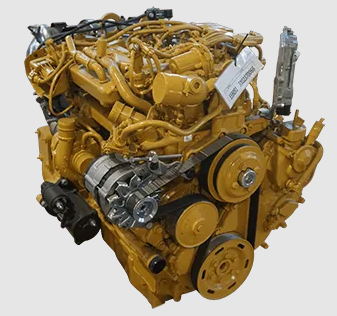
At its core, the F5HFL414C features a cast iron cylinder block, renowned for its durability and structural integrity, paired with an aluminum alloy cylinder head for optimized weight distribution and thermal management. Fuel delivery is managed by a sophisticated Common Rail Direct Injection (CRDI) system, which precisely controls fuel atomization and injection timing for enhanced combustion efficiency and reduced emissions. This engine typically incorporates a variable geometry turbocharger (VGT) to provide a broad torque curve across various RPMs, improving responsiveness and fuel economy. The valvetrain commonly employs a Dual Overhead Camshaft (DOHC) design, actuating four valves per cylinder, ensuring optimal airflow for both intake and exhaust processes.
The IVECO F5HFL414C engine has been extensively deployed across various generations of the IVECO Daily light commercial vehicle range, specifically powering many 2.3-liter variants. It has been a mainstay in models requiring a balance of payload capacity and economical operation, found in numerous panel vans, chassis cabs, and minibuses. Its production years align with periods demanding Euro 5 and Euro 6 emission compliance, making it a prevalent choice in markets across Europe and other regions where IVECO has a strong commercial vehicle presence.
Technical Specifications
| Displacement (cc) | 2287 |
| Max Power (hp (kW) @ RPM) | 120 (88) @ 3600 |
| Max Torque (Nm (kg*m) @ RPM) | 320 (32.6) @ 1500-2750 |
| Fuel Type | Diesel |
| Fuel Consumption (l/100 km) | Refer to manufacturer’s technical documentation (typically 8.0 – 10.5 for LCVs) |
| Engine Type | Inline 4-cylinder, Turbocharged Diesel |
| Compression Ratio | 16.2:1 – 16.5:1 |
| Cylinder Bore (mm) | 88 |
| Piston Stroke (mm) | 94 |
| Valvetrain | DOHC, 16-valve |
| Valves per Cylinder | 4 |
| Additional Info | Common Rail Direct Injection (CRDI), Variable Geometry Turbocharger (VGT), Intercooler, EGR, DPF |
Common Problems & Reliability
The IVECO F5HFL414C is generally regarded as a robust and durable engine, characteristic of its commercial vehicle application. However, like most modern diesel engines, it is susceptible to certain issues, particularly when maintenance schedules are neglected or operating conditions are severe. A common concern involves the Exhaust Gas Recirculation (EGR) valve and cooler, which can accumulate carbon deposits over time, leading to reduced efficiency, error codes, and eventual failure. This is often exacerbated by frequent short trips where the engine does not reach optimal operating temperatures.
Another prevalent issue stems from the Diesel Particulate Filter (DPF) system. In vehicles primarily used for urban deliveries or stop-and-go traffic, the DPF may not complete its regeneration cycles effectively, leading to clogging. A blocked DPF can cause significant power loss, increased fuel consumption, and eventually expensive replacement costs. Furthermore, the high-pressure Common Rail injection system, while efficient, demands clean fuel; poor fuel quality or neglected fuel filter changes can lead to premature wear of injectors and the high-pressure pump. With proper maintenance and regular use that allows for DPF regeneration, the F5HFL414C can achieve an impressive service life, typically exceeding 300,000 to 400,000 kilometers before requiring major internal engine overhauls.
Maintenance Tips & Service Schedule
To ensure the longevity and optimal performance of the IVECO F5HFL414C, adherence to the manufacturer’s recommended service schedule and the use of high-quality components and fluids are essential. Engine oil and filter changes are critical; they should be performed every 20,000 kilometers or annually, whichever comes first, using a synthetic 5W-30 or 5W-40 engine oil compliant with ACEA C3, E6, or E7 specifications for diesel engines equipped with DPFs. The fuel filter should be replaced every 40,000 kilometers to protect the sensitive Common Rail injection system from contaminants.
Air filter replacement is typically recommended every 40,000 kilometers, or more frequently if the vehicle operates in dusty environments. The timing belt, a crucial component for engine synchronization, requires replacement at intervals of approximately 180,000 kilometers or every 5 years, along with its tensioners and idlers, to prevent catastrophic engine damage. Coolant flushes should be performed every 100,000 kilometers or 5 years to maintain the cooling system’s efficiency and prevent corrosion. Regular diagnostic checks can help identify potential issues with the EGR and DPF systems early, allowing for proactive maintenance and preventing more costly repairs.
Conclusion
The IVECO F5HFL414C stands as a highly competent and generally reliable diesel engine, particularly suited for the demands of light commercial vehicle operation. Its robust construction and advanced fuel injection technology provide a strong balance of power, efficiency, and durability. For a used vehicle buyer, an IVECO Daily equipped with this engine can be a very safe choice, provided there is a verifiable service history indicating meticulous adherence to maintenance schedules. Prospective owners should prioritize vehicles that have been consistently serviced with appropriate fluids and parts, and those that have been operated in conditions conducive to proper DPF regeneration. With diligent care, the F5HFL414C offers a long and productive service life, making it a sound investment for commercial or personal transport needs.