
Overview & Design Features
The GMC Duramax LZ0 engine represents a significant evolution in heavy-duty diesel powertrain technology, specifically engineered for the demands of modern truck applications. Manufactured by General Motors, this 6.6-liter (6599 cc) V8 turbodiesel engine is a high-output variant of the venerable Duramax L5P, designed to deliver enhanced power and torque for the 2024 model year and beyond. Its development reflects General Motors’ commitment to robust performance, improved efficiency, and advanced emissions compliance, building upon decades of Duramax innovation. The LZ0 stands out with its refined power delivery and torque characteristics, optimized for towing and hauling capabilities.
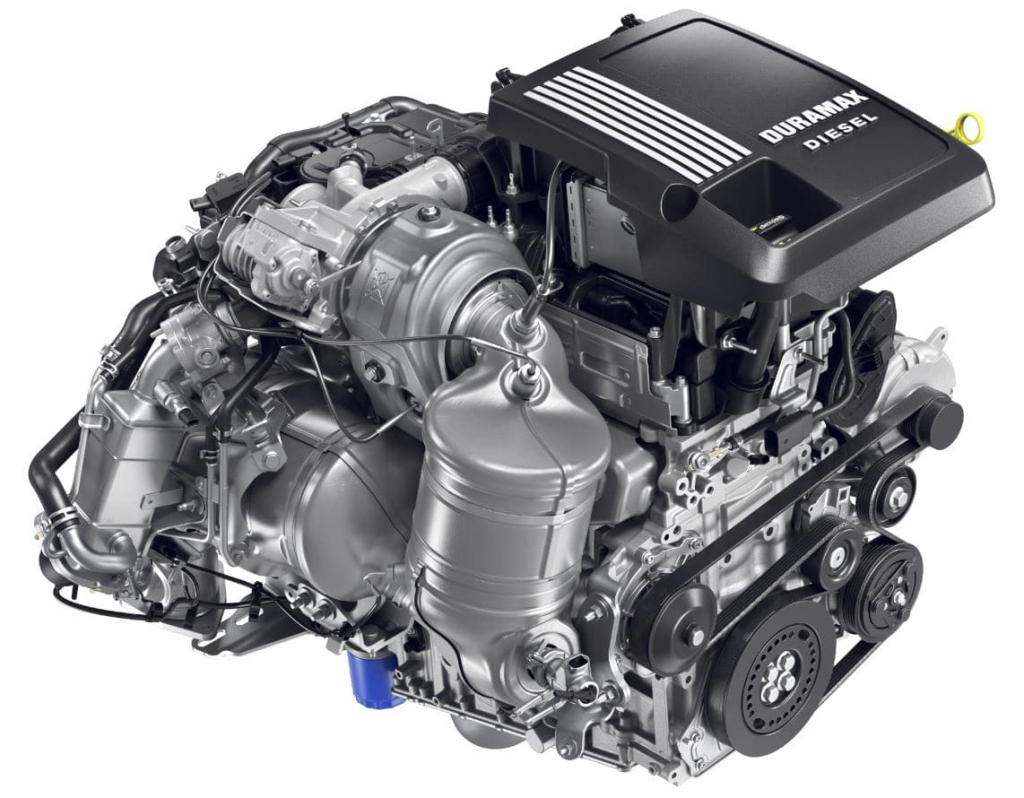
At its core, the LZ0 features a robust cast-iron cylinder block, ensuring structural rigidity and durability under extreme operating conditions. The engine utilizes aluminum cylinder heads, contributing to reduced weight and improved thermal management. Fuel delivery is managed by a sophisticated Bosch high-pressure common-rail direct injection system, capable of multiple injection events per combustion cycle for optimized fuel atomization, lower emissions, and improved combustion efficiency. The valvetrain is an overhead valve (OHV) design, known for its compact packaging and inherent durability, featuring four valves per cylinder to maximize airflow and exhaust scavenging. A variable geometry turbocharger (VGT) is integral to the system, providing responsive power across the RPM range and contributing to both performance and fuel economy.
The Duramax LZ0 engine is specifically deployed in the 2024 and newer model year iterations of General Motors’ heavy-duty truck lineup. Its primary applications include the GMC Sierra 2500HD and 3500HD, as well as the Chevrolet Silverado 2500HD and 3500HD. This engine is typically paired with a 10-speed Allison automatic transmission, forming a highly capable powertrain package for demanding work and towing scenarios across various trim levels.
Technical Specifications
| Displacement (cc) | 6599 cc (6.6L) |
| Max Power (hp (kW) @ RPM) | 470 hp (350 kW) @ 2800 RPM |
| Max Torque (Nm (kg*m) @ RPM) | 1322 Nm (134.8 kg*m) @ 1600 RPM |
| Fuel Type | Diesel |
| Fuel Consumption (l/100 km) | Refer to EPA/manufacturer’s documentation for specific vehicle ratings |
| Engine Type | V8 Turbodiesel |
| Compression Ratio | 16.0:1 |
| Cylinder Bore (mm) | 103.0 mm |
| Piston Stroke (mm) | 99.0 mm |
| Valvetrain | Overhead Valve (OHV) |
| Valves per Cylinder | 4 |
| Additional Info | Variable Geometry Turbocharger (VGT), Bosch Common-Rail Direct Injection |
Common Problems & Reliability
As a relatively new iteration of the Duramax engine, specific long-term common problems for the LZ0 are still emerging. However, based on its L5P lineage and general modern diesel characteristics, potential areas for attention include the emissions control system. Components such as the Diesel Particulate Filter (DPF), Exhaust Gas Recirculation (EGR) system, and Selective Catalytic Reduction (SCR) system can be prone to issues, particularly with extended idling or short-trip driving cycles that prevent proper regeneration or operation. The sophisticated high-pressure fuel system, while highly efficient, demands clean fuel and can be sensitive to contamination, potentially leading to premature wear of injectors or the high-pressure fuel pump.
While the Duramax family is known for its durability, components like the variable geometry turbocharger (VGT) can, over very high mileage, experience issues related to carbon buildup affecting vane actuation, or bearing wear. Overall, with diligent maintenance and proper usage, the LZ0 Duramax is engineered for a long service life. An expected service life of 300,000 miles (approximately 480,000 km) or more is realistic before requiring a major overhaul, provided regular and appropriate maintenance is performed.
Maintenance Tips & Service Schedule
Proper maintenance is paramount for ensuring the longevity and performance of the Duramax LZ0. Adhering to the manufacturer’s recommended service schedule is critical. Engine oil and filter changes are essential, typically required every 7,500 to 10,000 miles (12,000 to 16,000 km) or annually, whichever comes first. Use only engine oil meeting GM’s DexosD specification, with a recommended viscosity such as 5W-40 or 15W-40, depending on climate and operating conditions.
Fuel filter replacement is crucial for protecting the high-pressure fuel system, generally recommended every 15,000 to 22,500 miles (24,000 to 36,000 km) or annually. Air filter inspection and replacement should follow the manufacturer’s guidelines, often at 22,500 to 45,000 miles (36,000 to 72,000 km). The engine utilizes a heavy-duty timing chain system designed for the life of the engine, typically not requiring replacement under normal conditions. Coolant flushes are recommended approximately every 5 years or 100,000 miles (160,000 km) using a Dex-Cool compatible coolant. Regular inspection of the serpentine belt, tensioner, idler pulleys, and the overall condition of the emissions system components is also advised during routine service intervals.
Conclusion
The GMC Duramax LZ0 engine represents a robust and highly capable powerplant for heavy-duty truck applications. Its blend of high output, advanced engineering features, and adherence to modern emissions standards positions it as a strong contender in its segment. For a used vehicle buyer, a truck equipped with an LZ0 Duramax, especially one with a documented service history, can be considered a safe and reliable choice. Its design benefits from years of Duramax development, and while specific long-term reliability data is still accumulating due to its recent introduction, the underlying architecture and high-quality components suggest excellent durability when properly maintained. Prospective owners should prioritize consistent adherence to the rigorous maintenance schedule, particularly regarding fuel and oil filtration, to ensure optimal performance and longevity.