
Overview & Design Features
The GMC L83 engine, part of General Motors’ Generation V Small-Block EcoTec3 family, represents a highly successful evolution of the classic 5.3-liter V8 platform. Introduced for the 2014 model year, this naturally aspirated engine was engineered specifically for light-duty trucks and full-size SUVs. It replaced the previous Generation IV Vortec 5300, delivering substantial improvements in thermal efficiency, fuel economy, and torque output. This powerplant successfully bridged the gap between traditional American pushrod design and contemporary environmental demands.
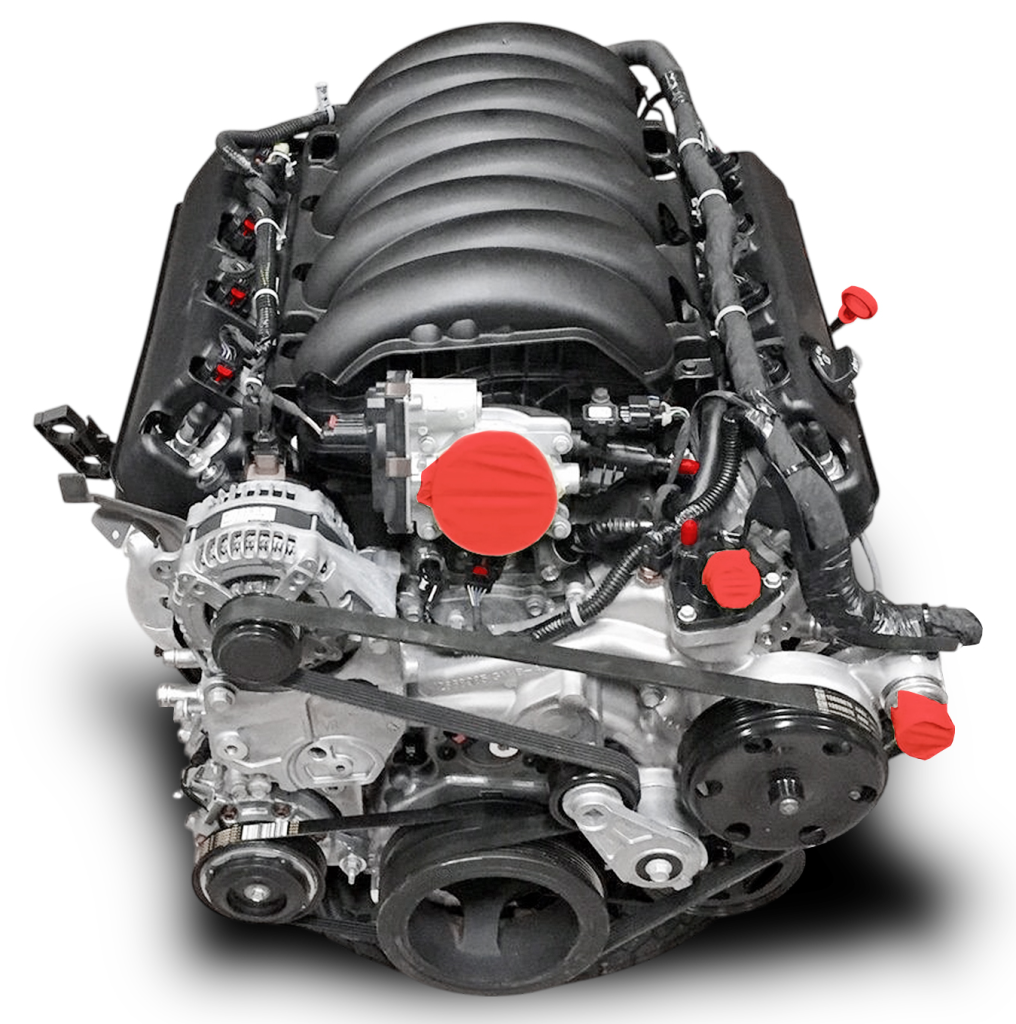
At its core, the L83 utilizes a lightweight, cast aluminum cylinder block and aluminum cylinder heads, reducing front-end weight compared to older cast-iron blocks. The engine stands out due to its advanced combustion system, featuring high-pressure direct fuel injection (DI) and continuously Variable Valve Timing (VVT). By spraying fuel directly into the combustion chamber, the L83 achieves highly precise fuel metering. Furthermore, the engine features Active Fuel Management (AFM), a cylinder deactivation technology that shuts down four of the eight cylinders under light load to minimize fuel consumption.
This power unit was widely deployed across General Motors’ premier utility and truck lines from 2014 through 2019. It served as the standard high-volume powerplant for the GMC Sierra 1500 and Chevrolet Silverado 1500. Additionally, the L83 motivated full-size family SUVs, including the GMC Yukon, GMC Yukon XL, Chevrolet Tahoe, and Chevrolet Suburban, specifically across their standard and mid-tier trims.
Technical Specifications
| Displacement (cc) | 5,328 cc (325 cu in) |
| Max Power (hp (kW) @ RPM) | 355 hp (265 kW) @ 5,600 RPM |
| Max Torque (Nm (kg*m) @ RPM) | 519 Nm (52.9 kg*m) @ 4,100 RPM |
| Fuel Type | Gasoline (Flex-Fuel / E85 compatible) |
| Fuel Consumption (l/100 km) | Approximately 13.1 l/100 km combined |
| Engine Type | 90-degree V8, Naturally Aspirated |
| Compression Ratio | 11.0:1 |
| Cylinder Bore (mm) | 96.0 mm |
| Piston Stroke (mm) | 92.0 mm |
| Valvetrain | Overhead Valve (OHV), Pushrod, 16 Valves |
| Valves per Cylinder | 2 |
| Additional Info | Features Direct Injection, Variable Valve Timing (VVT), and Active Fuel Management (AFM) |
Common Problems & Reliability
While the L83 is fundamentally robust, it possesses distinct mechanical weak points. The most notable issue involves the Active Fuel Management (AFM) system. Over time, the specialized switching lifters responsible for cylinder deactivation can collapse or stick. This failure prevents the valves from opening properly, leading to severe misfires, bent pushrods, and potential camshaft damage. Additionally, because the L83 utilizes direct fuel injection, it lacks fuel washing over the intake valves. This design makes the engine susceptible to carbon buildup on the intake ports, which eventually restricts airflow, causing rough idling and reduced power.
Another documented point of vulnerability is the mechanical vacuum pump, which can leak or wear prematurely. Despite these known issues, the L83 boasts a highly competitive overall lifespan. With strict adherence to preventative maintenance protocols and the use of high-quality components, this engine can realistically achieve a service life of 200,000 to 250,000 miles (320,000 to 400,000 kilometers) before requiring a major mechanical overhaul.
Maintenance Tips & Service Schedule
Mitigating the inherent design flaws of the L83 requires a rigorous, proactive maintenance strategy. Regular fluid management and specific cleaning routines are essential to ensure long-term operation:
- Engine Oil: Use only high-quality, fully synthetic API SN PLUS or SP-rated oils meeting GM Dexos1 specifications. The recommended viscosity is 0W-20. To protect the delicate AFM lifters, the oil should be changed every 5,000 miles (8,000 km) rather than relying strictly on the vehicle’s oil life monitor.
- Intake Valve Cleaning: Perform a manual or chemical intake valve cleaning service every 50,000 miles (80,000 km) to address direct-injection carbon buildup.
- Spark Plugs: Replace the iridium-tipped spark plugs and inspect the ignition wires every 100,000 miles (160,000 km) to prevent cylinder misfires.
- Cooling System: Flush the Dex-Cool coolant system every 5 years or 150,000 miles (240,000 km) to maintain optimal operating temperatures.
Conclusion
The GMC L83 5.3-liter engine is a highly capable and efficient powerplant that blends classic American displacement with modern engineering advancements. For a used vehicle buyer, it represents a solid and dependable option, provided that the previous owner documented consistent oil changes. While potential buyers must remain vigilant about potential AFM lifter issues and direct injection carbon accumulation, the widespread availability of parts and deep mechanical expertise across the industry make the L83 a practical, durable choice for towing, daily driving, and long-term utility.