
Overview & Design Features
The GMC L9H is a 6.2-liter (6162 cc) V8 gasoline engine, a prominent member of General Motors’ Gen IV small-block engine family. Manufactured by General Motors, this naturally aspirated powerhouse was specifically engineered for heavy-duty truck and SUV applications, delivering robust performance and towing capabilities. It holds significance as one of the earlier flex-fuel compatible 6.2L V8s, offering versatility in fuel choice during its production run from approximately 2009 to 2014.
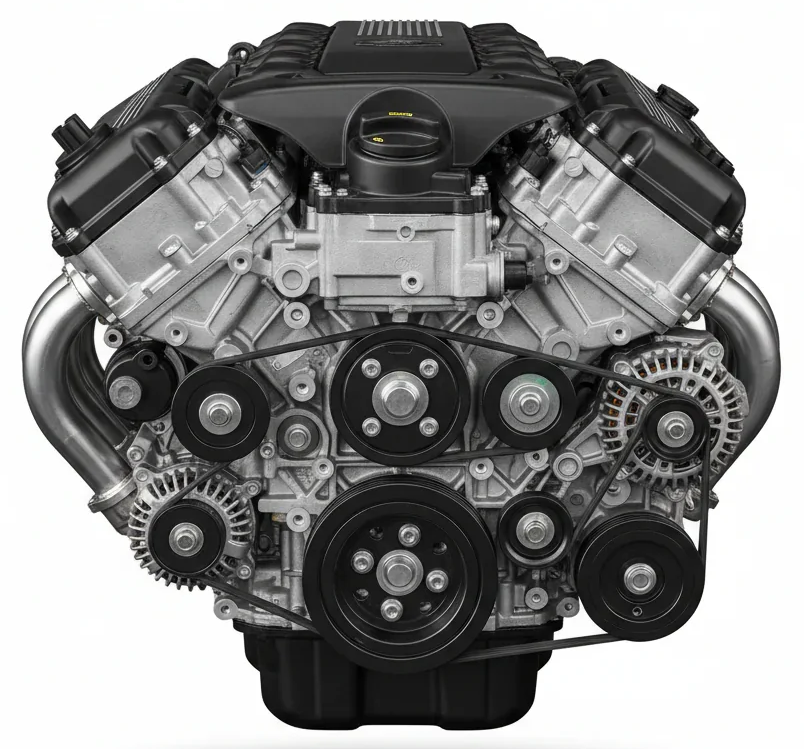
Core engineering features include a lightweight, yet durable, cast aluminum cylinder block, providing an optimal balance of strength and weight reduction. The cylinder heads are also aluminum, featuring rectangular intake ports derived from the high-performance LS3 design, which enhances airflow and combustion efficiency. Fuel delivery is managed by Sequential Multi-Port Fuel Injection (SFI), while Variable Valve Timing (VVT) technology dynamically adjusts valve overlap and lift for improved low-end torque and high-end power across the RPM range. The valvetrain utilizes an Overhead Valve (OHV) design with two valves per cylinder and roller lifters.
The L9H engine was primarily deployed in premium and performance-oriented light trucks and SUVs within the General Motors lineup. Key vehicle models include the 2009-2014 Cadillac Escalade, 2009-2014 GMC Yukon Denali, 2009-2013 GMC Sierra Denali, and certain trims of the Chevrolet Avalanche and Chevrolet Suburban/Tahoe from 2009-2014, typically designated as LTZ models. This engine catered to consumers demanding superior power output and towing capacity.
Technical Specifications
| Displacement (cc) | 6162 |
| Max Power (hp (kW) @ RPM) | 403 hp (301 kW) @ 5700 RPM |
| Max Torque (Nm (kg*m) @ RPM) | 565 Nm (57.6 kg*m) @ 4300 RPM |
| Fuel Type | Gasoline (Unleaded / E85 Flex-Fuel) |
| Fuel Consumption (l/100 km) | Approx. 14.5 – 16.5 (combined, highly vehicle-dependent) |
| Engine Type | Naturally Aspirated V8 |
| Compression Ratio | 10.4:1 |
| Cylinder Bore (mm) | 103.25 |
| Piston Stroke (mm) | 92 |
| Valvetrain | OHV, Roller Lifters |
| Valves per Cylinder | 2 |
| Additional Info | Variable Valve Timing (VVT), Flex-Fuel (E85) Capability, No Active Fuel Management (AFM) |
Common Problems & Reliability
The L9H engine generally exhibits good reliability, benefiting from the robust design principles of the Gen IV small-block architecture. However, specific areas warrant attention:
- VVT Actuator/Solenoid Failures: The Variable Valve Timing system’s actuator or solenoid can occasionally fail, leading to rough idling, reduced performance, or triggering a “Check Engine” light. Symptoms often manifest as erratic engine behavior.
- Oil Pressure Sensor Malfunctions: Located at the rear of the engine, the oil pressure sensor can become faulty, leading to inaccurate readings on the dashboard or warning lights, even if actual oil pressure is adequate. This often requires replacement of the sensor.
- Exhaust Manifold Bolt Breakage: A common issue on many GM truck engines, exhaust manifold bolts can corrode and break, particularly in colder climates or high-mileage applications. This results in an audible exhaust leak, typically more noticeable when the engine is cold.
Under proper and consistent maintenance, including regular oil changes with recommended lubricants, the GMC L9H engine has an expected service life of 250,000 to 300,000 miles (approximately 400,000 to 480,000 km) before requiring a major overhaul. Its design, notably the absence of Active Fuel Management (AFM), contributes to its reputation for long-term durability compared to some other Gen IV variants.
Maintenance Tips & Service Schedule
Adhering to a stringent maintenance schedule is critical for maximizing the L9H’s lifespan and performance:
- Engine Oil & Filter: Utilize full synthetic 5W-30 engine oil. Perform oil and filter changes every 7,500 miles (12,000 km) or every 6-12 months, whichever comes first. For vehicles frequently running on E85 flex-fuel, a more frequent interval of 5,000 miles (8,000 km) is advisable due to E85’s potential for increased oil contamination.
- Spark Plugs: Replace iridium-tipped spark plugs every 100,000 miles (160,000 km). Inspect ignition coils and wires concurrently.
- Engine Coolant: Flush and refill the cooling system with DEX-COOL extended-life coolant every 5 years or 150,000 miles (240,000 km).
- Air Filter: Replace the engine air filter annually or every 30,000 miles (48,000 km), or more frequently in dusty conditions.
- Timing Chain: The timing chain is designed for the engine’s life; however, it should be inspected for stretch or noise during major services, especially beyond 150,000 miles (240,000 km). Replacement is only necessary if wear or noise is detected.
- PCV Valve: Inspect the PCV valve every 50,000 miles (80,000 km) and replace as needed to prevent oil consumption and sludge buildup.
Conclusion
The GMC L9H engine stands as a robust and reliable choice for a used vehicle buyer seeking strong V8 performance and towing capabilities. Its fundamental Gen IV small-block architecture, combined with the absence of the often-problematic Active Fuel Management system, contributes to a generally durable powerplant. While common issues like VVT actuator failures or exhaust manifold bolts should be considered, these are typically manageable and do not detract significantly from the engine’s overall solid reputation. With diligent adherence to recommended maintenance schedules, especially regarding oil changes, a used vehicle equipped with the L9H engine can offer many years and miles of dependable service.