
Overview & Design Features
The GMC LCV engine, officially designated as the LWN, is a 2.8-liter (2776 cc) inline four-cylinder, turbocharged diesel engine developed by General Motors. Introduced in the North American market for the 2016 model year, it marked a significant strategic move for GM, becoming the first small diesel option available in their mid-size pickup truck lineup. This engine was engineered to deliver a blend of robust torque, competitive fuel efficiency, and towing capability for light-duty truck applications, leveraging GM’s global diesel powertrain expertise.
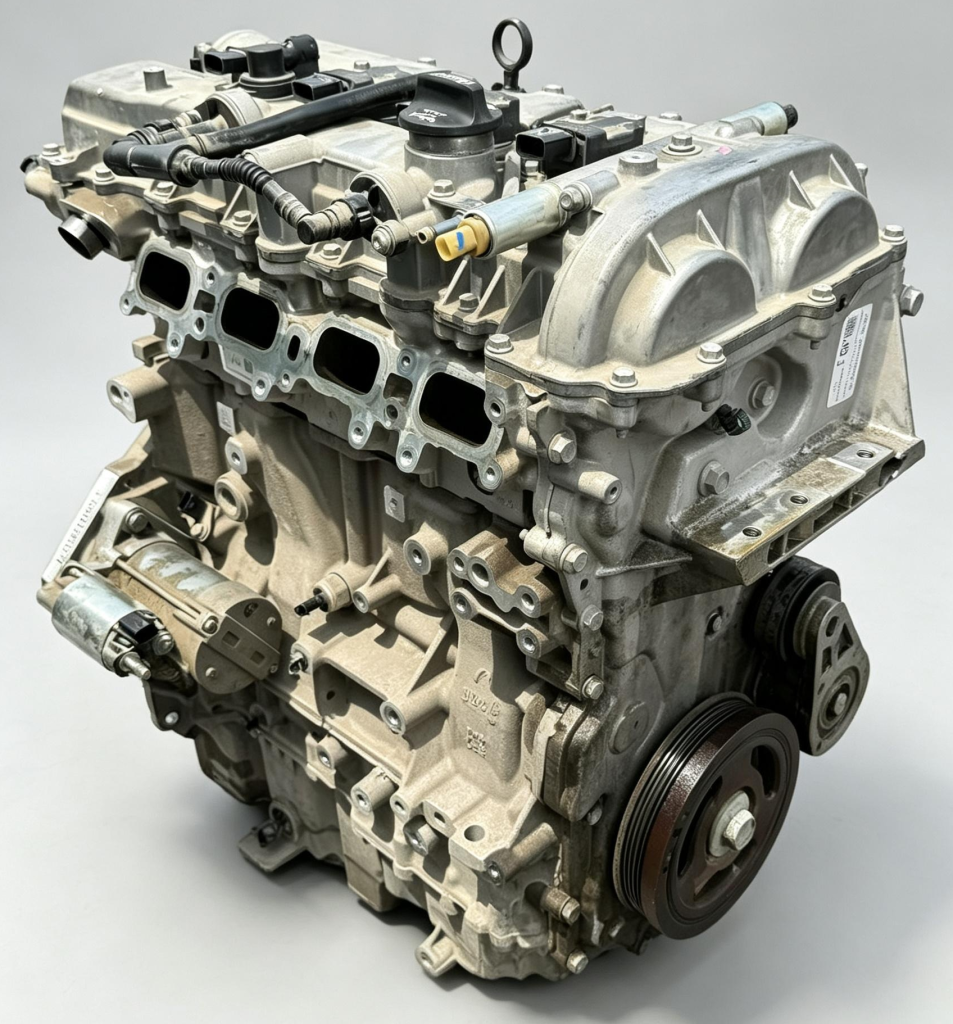
From an engineering standpoint, the LCV (LWN) features a durable cast iron cylinder block, providing strength and thermal stability, paired with an aluminum cylinder head for weight reduction and efficient heat dissipation. Its advanced fuel system incorporates common rail direct injection, ensuring precise fuel delivery and optimal combustion efficiency. Air induction is managed by a variable-geometry turbocharger (VGT), which enhances throttle response and broadens the engine’s power band across various RPMs. The valvetrain utilizes a Double Overhead Camshaft (DOHC) design with four valves per cylinder, contributing to improved airflow and volumetric efficiency. To minimize vibration inherent in four-cylinder engines, balance shafts are integrated into the design.
The GMC LCV (LWN) engine was primarily deployed in the following North American General Motors truck models:
- GMC Canyon: 2016-2022 model years (available on specific trims, typically SLT, Denali, and certain LT/WT models).
- Chevrolet Colorado: 2016-2022 model years (available on specific trims, typically Z71, LT, and WT models).
This engine provided a diesel alternative to the standard gasoline powertrains, catering to buyers prioritizing towing capacity and fuel economy.
Technical Specifications
| Displacement (cc) | 2776 |
| Max Power (hp (kW) @ RPM) | 181 hp (135 kW) @ 3400 RPM |
| Max Torque (Nm (kg*m) @ RPM) | 500 Nm (51 kg*m) @ 2000 RPM |
| Fuel Type | Diesel |
| Fuel Consumption (l/100 km) | ~9.0 (Combined, estimated) |
| Engine Type | Inline 4-cylinder, DOHC, Turbocharged Diesel |
| Compression Ratio | 16.5:1 |
| Cylinder Bore (mm) | 94.0 |
| Piston Stroke (mm) | 100.0 |
| Valvetrain | DOHC, 16-valve |
| Valves per Cylinder | 4 |
| Additional Info | Common Rail Direct Injection, Variable Geometry Turbocharger, Balance Shafts |
Common Problems & Reliability
The GMC LCV (LWN) engine is generally regarded as a robust and capable powertrain, particularly when subjected to regular, diligent maintenance. However, as with many modern diesel engines, certain characteristics and components can be susceptible to specific issues. A primary concern for this engine often revolves around its advanced emissions control systems, which include the Diesel Particulate Filter (DPF) and Selective Catalytic Reduction (SCR) with Diesel Exhaust Fluid (DEF). Malfunctions within the DEF system, such as sensor failures, DEF pump issues, or crystallization, can lead to reduced engine power or prevent the vehicle from starting. Similarly, the DPF can become clogged, especially during extended periods of short-trip driving that do not allow for complete regeneration cycles, necessitating forced regeneration or replacement.
Another area requiring attention is the Exhaust Gas Recirculation (EGR) valve and cooler. Over time, these components can accumulate soot and carbon deposits, leading to reduced efficiency, poor engine performance, and potentially diagnostic trouble codes. Regular inspection and cleaning or replacement of these components may be required, particularly in vehicles operating under heavy load or frequently in city traffic. While the high-pressure fuel pump and injectors are generally reliable, consistent use of high-quality, clean diesel fuel is paramount to their longevity, as contamination or poor fuel quality can accelerate wear.
With proper care and adherence to the manufacturer’s recommended service schedule, the GMC LCV (LWN) engine is engineered for an impressive service life. It is realistic to expect this engine to achieve and exceed 250,000 miles (approximately 400,000 kilometers) before requiring a major overhaul, with many units demonstrating capability well beyond this benchmark, underscoring its inherent durability.
Maintenance Tips & Service Schedule
Proactive and consistent maintenance is critical for ensuring the long-term reliability and performance of the GMC LCV (LWN) engine. Adherence to the following schedule and recommendations is strongly advised:
- Engine Oil and Filter: Perform oil changes using Dexos2 certified 5W-30 or 0W-20 synthetic blend or full synthetic engine oil (refer to owner’s manual for precise viscosity and specification) every 7,500 to 10,000 miles (12,000 to 16,000 km) or annually, whichever comes first. Regular oil analysis can help optimize this interval.
- Fuel Filter: Replace the diesel fuel filter element every 20,000 to 30,000 miles (32,000 to 48,000 km). This is a critical component for protecting the high-pressure fuel system from contaminants.
- Air Filter: Inspect the engine air filter at every oil change and replace every 30,000 to 45,000 miles (48,000 to 72,000 km), or more frequently if operating in dusty conditions.
- Coolant Flush: The engine uses a long-life coolant. A full system flush and refill with compatible extended-life coolant is typically recommended every 150,000 miles (240,000 km) or 5 years.
- DEF System Maintenance: Ensure Diesel Exhaust Fluid (DEF) reservoir is always adequately filled with manufacturer-approved DEF. Avoid contamination.
- Timing Chain: The LCV (LWN) engine utilizes a timing chain, designed for the life of the engine. Routine replacement is not specified, but inspection for excessive slack or noise may be warranted at very high mileages (e.g., 200,000+ miles).
- Glow Plugs: These generally last a significant duration. Replace only as needed, typically when diagnostic codes indicate a fault or cold-start performance degrades.
- EGR System: Consider periodic inspection and cleaning of the EGR valve and cooler, especially if the vehicle is primarily used for short trips.
Conclusion
The GMC LCV (LWN) engine represents a compelling option for those seeking a diesel powertrain in a mid-size truck. Its robust construction, impressive torque output, and commendable fuel efficiency make it a highly capable and practical choice for towing, hauling, and daily driving. While modern diesel technology inherently involves more complex emissions systems that require specific attention and maintenance, the LCV engine generally proves reliable when properly cared for. For a used vehicle buyer, this engine can be considered a safe and reliable choice, provided that its service history is thoroughly documented, indicating adherence to recommended maintenance schedules. A pre-purchase inspection by a qualified diesel mechanic is always advisable to assess the condition of the emissions components and overall engine health.