
Overview & Design Features
The GMC LH6 is a 5.3-liter (325 cubic inch) V8 engine, part of General Motors’ renowned Gen IV Small Block engine family. Introduced in 2005, the LH6 stands out as one of the first aluminum-block 5.3L V8s to feature Active Fuel Management (AFM), also known as Displacement on Demand (DoD). This technology allowed the engine to seamlessly deactivate four cylinders under light load conditions, aiming to improve fuel efficiency in various truck and SUV applications. Its deployment marked a significant step in GM’s efforts to balance power and economy in its larger vehicle offerings, building on the legacy of the robust LS architecture.
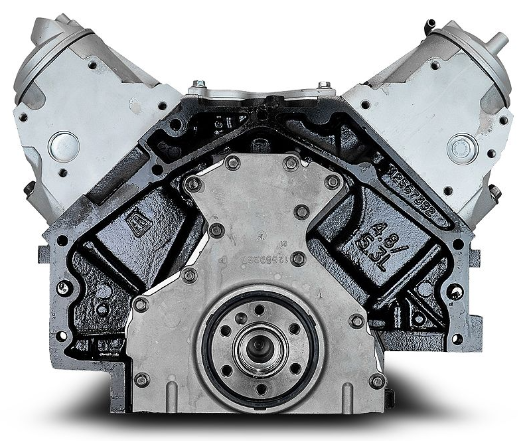
Engineered for durability and performance, the LH6 features a lightweight cast aluminum cylinder block, complemented by aluminum cylinder heads designed for optimal airflow. Fuel delivery is managed by a Sequential Port Fuel Injection (SFI) system, providing precise fuel metering to each cylinder. The valvetrain consists of a traditional overhead valve (OHV) pushrod design with two valves per cylinder, utilizing hydraulic roller lifters for reduced friction and improved efficiency. A key technological integration is the aforementioned Active Fuel Management system, which employs special lifters and a solenoid-controlled oil manifold to collapse lifters on specific cylinders, effectively turning the V8 into a V4 during cruising.
The LH6 engine was predominantly found in a range of General Motors’ light trucks and SUVs during its production run. Key applications include the 2005-2007 Chevrolet TrailBlazer EXT and GMC Envoy XL, the 2005-2006 Buick Rainier, the 2005-2006 Saab 9-7X, and the 2005-2009 Chevrolet Tahoe, Suburban, Silverado, GMC Yukon, Yukon XL, and Sierra models, often available in specific trim levels where its blend of power and efficiency was desired.
Technical Specifications
| Displacement (cc) | 5328 cc |
| Max Power (hp (kW) @ RPM) | 300 hp (224 kW) @ 5200 RPM |
| Max Torque (Nm (kg*m) @ RPM) | 447 Nm (45.6 kg*m) @ 4000 RPM |
| Fuel Type | Regular Unleaded Gasoline |
| Fuel Consumption (l/100 km) | 13-18 L/100 km (combined, varies by vehicle and driving conditions) |
| Engine Type | V8, OHV, Naturally Aspirated |
| Compression Ratio | 9.9:1 |
| Cylinder Bore (mm) | 96.01 mm |
| Piston Stroke (mm) | 92.00 mm |
| Valvetrain | Overhead Valve (OHV), Pushrod, Hydraulic Roller Lifters |
| Valves per Cylinder | 2 |
| Additional Info | Active Fuel Management (AFM)/Displacement on Demand (DoD), Aluminum Block & Heads |
Common Problems & Reliability
The GMC LH6 engine, while generally robust, is most notably associated with issues related to its Active Fuel Management (AFM) system. A common failure point involves the AFM lifters, which can collapse or stick due to insufficient oil pressure or sludge buildup. This often leads to misfires, excessive valvetrain noise, and in severe cases, camshaft lobe wear. Concurrently, the AFM oil pressure relief valve or the oil manifold screen within the valley plate can become clogged, exacerbating lifter issues and contributing to an overall reduction in oil pressure to the AFM components. Another frequently reported issue is elevated oil consumption, often attributed to the AFM system’s operation and particular PCV valve designs, which can allow oil to be drawn into the intake manifold.
Under ideal conditions with diligent maintenance, an LH6 engine can achieve a service life exceeding 200,000 to 250,000 miles before requiring a major overhaul. However, the lifespan can be significantly curtailed if AFM-related problems are not promptly addressed, potentially leading to costly repairs or complete engine replacement around the 100,000 to 150,000-mile mark.
Maintenance Tips & Service Schedule
- Oil Changes: Adhere strictly to a regular oil change schedule, ideally every 5,000-7,500 miles or according to the vehicle’s Oil Life Monitor (whichever comes first), using a high-quality 5W-30 full synthetic or synthetic blend oil. Maintaining the correct oil level and ensuring oil quality are critical for AFM system longevity.
- Oil Consumption Monitoring: Regularly check the engine oil level between changes and top off as necessary. If persistent, excessive oil consumption occurs, investigate the PCV system and potential AFM-related issues.
- Spark Plugs: Replace spark plugs every 100,000 miles to ensure optimal combustion and prevent misfires.
- Coolant Flush: Perform a cooling system flush and refill with suitable coolant every 5 years or 100,000 miles to maintain cooling efficiency and prevent corrosion.
- AFM System Maintenance: Consider periodic use of a high-quality fuel system cleaner to help prevent carbon buildup. For engines experiencing recurring AFM issues, consulting a qualified technician for diagnostic evaluation and potential solutions, such as an AFM delete kit, may be warranted.
- Timing Chain: The timing chain is generally designed for the life of the engine. However, at higher mileages (e.g., 200,000+ miles), inspection for excessive stretch or wear during other major service procedures is advisable.
Conclusion
The GMC LH6 engine represents a powerful and generally capable V8 that delivers robust performance suitable for truck and SUV applications. Its Active Fuel Management system, while innovative, introduces a significant reliability concern that prospective used vehicle buyers must carefully consider. When evaluating a used vehicle equipped with the LH6, a thorough inspection of the engine for signs of AFM lifter failure, excessive oil consumption, or unusual valvetrain noise is paramount. If the engine demonstrates a history of meticulous maintenance, particularly regarding oil changes and regular servicing, it can prove to be a reliable choice. However, without a verified service history or if signs of AFM degradation are present, caution is advised. Buyers should factor in the potential cost of AFM system diagnostics and repairs, or even an AFM delete, when assessing the overall value proposition.