
Overview & Design Features
The MG 18K4F is a 1.8-liter (1796 cc) inline four-cylinder petrol engine, a prominent member of the K-Series engine family developed by Rover Group, which subsequently found extensive use in MG Rover vehicles. Launched in the mid-1990s, the K-Series was celebrated for its advanced lightweight aluminum construction and compact design, providing a favorable power-to-weight ratio for the vehicles it powered. The 18K4F variant represents the naturally aspirated, multi-point fuel-injected version of the 1.8-liter K-Series, distinct from the turbocharged or Variable Valve Control (VVC) iterations.
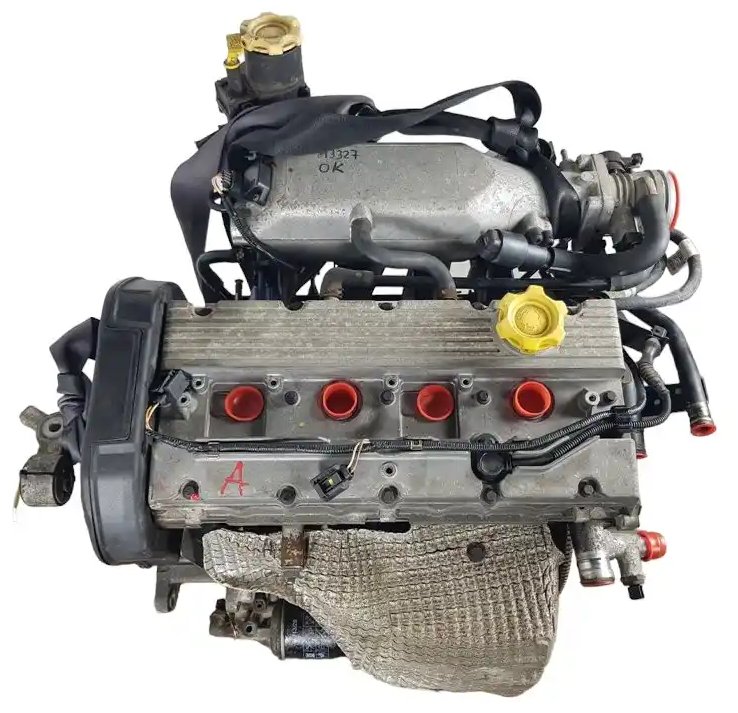
Engineered with an aluminum alloy cylinder block and head, the 18K4F features a double overhead camshaft (DOHC) valvetrain with four valves per cylinder, totaling 16 valves. Its design incorporates wet cylinder liners, a characteristic K-Series feature that allows for improved cooling and ease of overhaul. Fuel delivery is managed by a sophisticated Multi-Point Fuel Injection (MPFI) system, ensuring precise fuel metering for optimal combustion efficiency and emissions control. The engine’s architecture prioritizes a balance of performance, fuel economy, and packaging efficiency suitable for a range of passenger cars.
The MG 18K4F engine was widely deployed across various MG and Rover models during its production lifespan. Key applications included the MG TF roadster (mid-2000s models), the MG ZS saloon and hatchback, and the MG ZR. It also powered several Rover vehicles such as the Rover 25, Rover 45, and certain versions of the executive Rover 75. Additionally, the engine found its way into the first-generation Land Rover Freelander and, notably, a non-VVC version was utilized in the Lotus Elise S2, showcasing its versatility and performance potential beyond the MG Rover brand.
Technical Specifications
| Specification | Value |
|---|---|
| Displacement (cc) | 1796 |
| Max Power (hp (kW) @ RPM) | 120 hp (88 kW) @ 5500 |
| Max Torque (Nm (kg*m) @ RPM) | 160 Nm (16.3 kg*m) @ 4000 |
| Fuel Type | Unleaded Petrol |
| Fuel Consumption (l/100 km) | 7.5 – 8.5 (Combined cycle, vehicle dependent) |
| Engine Type | Inline-4 |
| Compression Ratio | 10.5:1 |
| Cylinder Bore (mm) | 80 |
| Piston Stroke (mm) | 89.3 |
| Valvetrain | DOHC, 16-valve |
| Valves per Cylinder | 4 |
| Additional Info | Aluminum alloy block and head, wet liners, Multi-Point Fuel Injection (MPFI) |
Common Problems & Reliability
The MG 18K4F engine, while inherently lightweight and efficient, gained notoriety for several specific mechanical vulnerabilities, most notably relating to its cooling system and head gasket. The primary issue is Head Gasket Failure (HGF). This frequently stemmed from the original design’s use of plastic locating dowels and an early Multi-Layer Steel (MLS) gasket that proved inadequate for sustained thermal cycles, exacerbated by insufficient clamping loads from the cylinder head bolts. Overheating, often due to compromised cooling system components, frequently precipitated HGF. Addressing this typically involves upgrading to an improved MLS head gasket kit, often paired with steel dowels and correctly torqued bolts.
Secondary issues contributing to HGF include failures within the cooling system itself. These encompass brittle plastic thermostat housings, aging radiators prone to blockages or leaks, and coolant expansion tanks that develop cracks over time. Neglecting coolant levels or using incorrect coolant types significantly accelerates wear and increases the risk of overheating. Other less common problems include minor oil leaks from the cam cover gasket or sump gasket, and occasional failures of auxiliary components such as the water pump or alternator.
With proactive maintenance and the notorious head gasket issue professionally resolved (often referred to as “upgraded head gasket” or “PRT thermostat conversion”), the MG 18K4F engine can realistically achieve a service life exceeding 150,000 to 200,000 kilometers before requiring a major overhaul. Without addressing these known weaknesses, its longevity can be significantly compromised.
Maintenance Tips & Service Schedule
Proactive and diligent maintenance is crucial for the longevity and reliability of the MG 18K4F engine. Adherence to a strict service schedule, particularly concerning the cooling system, is paramount.
- Engine Oil: The engine oil and filter should be changed every 10,000 kilometers or every 12 months, whichever comes first. A good quality 10W-40 semi-synthetic oil is generally recommended, or a 5W-40 full synthetic for enhanced protection, especially in varied climates. Regular checks of the oil level are essential due to the engine’s sensitivity to correct lubrication.
- Cooling System: This is arguably the most critical maintenance area. The coolant should be flushed and replaced every 2-3 years with an OAT (Organic Acid Technology) coolant specifically formulated for aluminum engines. All cooling hoses, the radiator, and the thermostat housing should be inspected annually for signs of degradation, cracks, or leaks. Early replacement of suspect components, especially the thermostat and its housing, is highly recommended to prevent catastrophic overheating.
- Timing Belt: The timing belt, along with its tensioners and idlers, must be replaced every 90,000 to 100,000 kilometers or every 6 years, whichever occurs first. It is highly advisable to replace the water pump simultaneously, as its failure can lead to timing belt damage and engine overheating.
- Spark Plugs: Spark plugs should be inspected and replaced every 40,000 to 60,000 kilometers to ensure optimal combustion and fuel efficiency.
- General Inspection: Regular visual inspections for fluid leaks, unusual noises, or dashboard warning lights should be performed. Any anomalies, particularly those related to coolant loss or rising temperature gauges, require immediate investigation.
Conclusion
The MG 18K4F engine, despite its historical association with head gasket issues, can be a reliable and enjoyable powerplant when its specific vulnerabilities are understood and properly addressed. For a used vehicle buyer, the key determinant of reliability lies in the engine’s service history. A vehicle with documented evidence of a head gasket upgrade (e.g., to an improved MLS gasket and steel dowels) and consistent, thorough cooling system maintenance presents a significantly safer and more reliable purchase. Without such proof, the risk of inheriting or encountering a head gasket failure remains elevated.
When properly maintained, the 18K4F offers a good balance of performance for its displacement, decent fuel economy, and a characterful driving experience. It is not an engine that tolerates neglect, but with diligent care, it can provide many years of enthusiastic motoring, making it a viable choice for enthusiasts prepared to commit to its specific maintenance requirements.