
Overview & Design Features
The MG B10XFL is a compact, highly efficient 1.0-liter turbocharged three-cylinder gasoline engine designed to meet modern global standards for fuel economy and lower carbon emissions. Developed by SAIC Motor in a strategic engineering partnership with General Motors, this power plant belongs to the NetBlue small-displacement powertrain family. Combining a lightweight footprint with forced induction, the engine represents a modern downsized design philosophy, providing small-car agility with the power delivery of a larger, naturally aspirated unit.
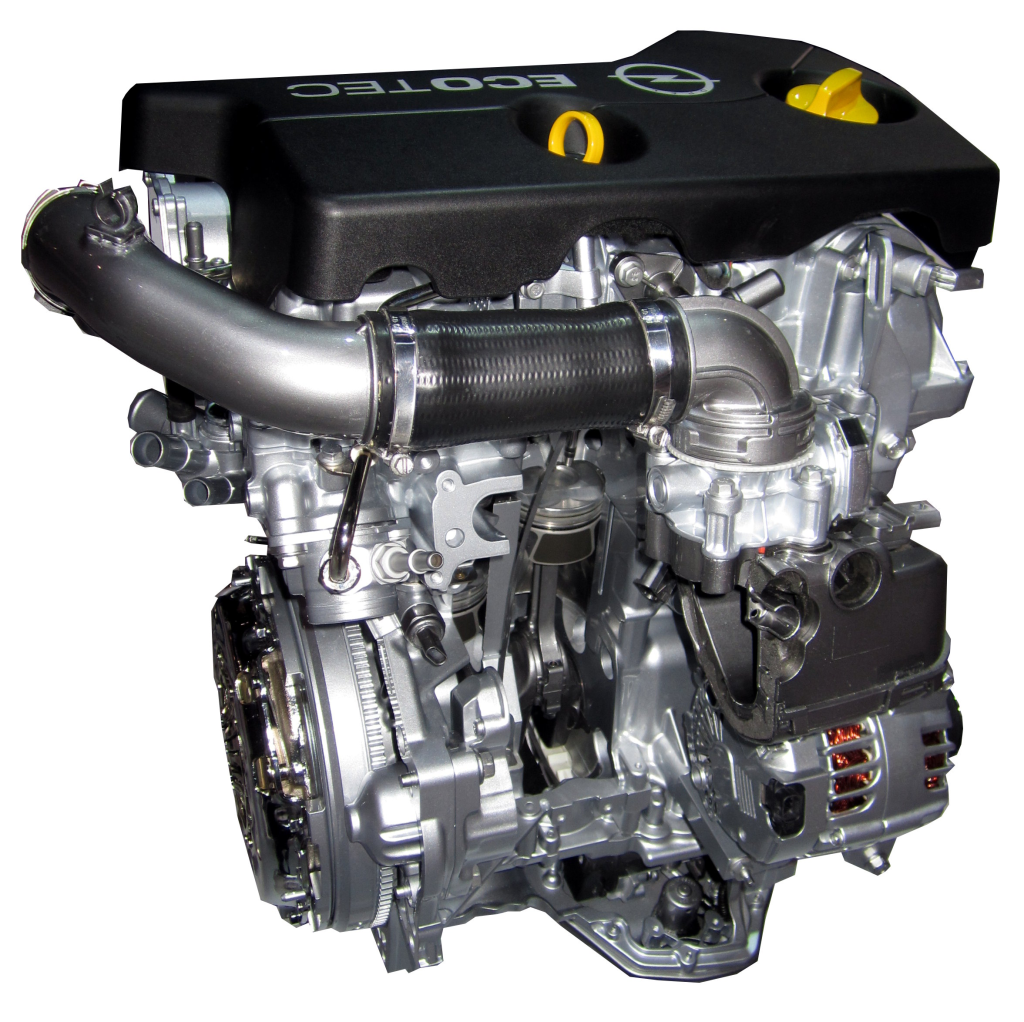
Engineering features of the B10XFL include a lightweight all-aluminum construction, utilizing an aluminum alloy cylinder block and cylinder head to minimize front-axle weight and improve overall vehicle handling. The engine features Gasoline Direct Injection (GDI) fuel delivery, which sprays fuel directly into the combustion chambers under high pressure for optimized combustion. Double Overhead Camshafts (DOHC) drive four valves per cylinder, managed by a Dual Variable Valve Timing (DVVT) system that continuously adjusts both intake and exhaust valve timing to balance low-end torque with high-RPM efficiency.
The MG B10XFL engine has been primarily deployed in compact passenger cars and crossover vehicles within the SAIC-MG lineup. Its most notable application is in the MG ZS compact crossover, where it serves as a premium, eco-friendly engine option. It is also found in several domestic Chinese market sedans, such as the Roewe i5 and Roewe i6, typically paired with either a six-speed automatic transmission or a six-speed manual gearbox depending on the target market.
Technical Specifications
| Displacement (cc) | 999 cc |
| Max Power (hp (kW) @ RPM) | 125 hp (92 kW) @ 5200 RPM |
| Max Torque (Nm (kg*m) @ RPM) | 170 Nm (17.3 kg*m) @ 1800-4700 RPM |
| Fuel Type | Gasoline (95 RON recommended) |
| Fuel Consumption (l/100 km) | Approx. 5.9 l/100 km (combined cycle in MG ZS) |
| Engine Type | Inline 3-cylinder, Turbocharged, Direct Injection |
| Compression Ratio | 10.5:1 |
| Cylinder Bore (mm) | 74.0 mm |
| Piston Stroke (mm) | 77.4 mm |
| Valvetrain | DOHC with DVVT |
| Valves per Cylinder | 4 (12 valves total) |
| Additional Info | Co-developed by SAIC and GM; features a low-inertia turbocharger |
Common Problems & Reliability
While the MG B10XFL delivers commendable performance relative to its size, it exhibits several design-inherent weaknesses. First, as a three-cylinder engine, it suffers from inherent primary rotational imbalance. This configuration creates vibrations that place high stress on the rubber engine mounts. Over time, these mounts degrade prematurely, transferring noticeable vibrations into the cabin during idle.
Second, the direct injection system makes the intake valves prone to carbon buildup. Because fuel is injected directly into the combustion chamber rather than upstream of the valves, the detergent additives in the gasoline cannot wash away oil mist recirculated by the crankcase ventilation system. This accumulation can restrict airflow, leading to rough idling, hesitation during acceleration, and decreased fuel efficiency over 80,000 kilometers.
Lastly, small-displacement turbocharged engines are highly sensitive to Low-Speed Pre-Ignition (LSPI). Using incorrect oil grades or low-quality fuel can lead to pre-ignition events under high loads, potentially cracking pistons. Under strict maintenance routines, the expected service life before requiring a major overhaul is estimated at 200,000 to 250,000 kilometers.
Maintenance Tips & Service Schedule
Preserving the longevity of the MG B10XFL requires strict adherence to preventive maintenance schedules. The lubrication system is highly sensitive to thermal stress, meaning oil changes should be performed every 7,500 to 10,000 kilometers or once per year, whichever occurs first. It is imperative to use fully synthetic engine oil with a viscosity grade of 0W-20 or 5W-30 that complies with GM dexos1 Gen 2 or Gen 3 specifications to prevent LSPI occurrences.
Spark plugs must be replaced every 40,000 kilometers to maintain clean combustion and prevent misfires under boost. To combat intake valve carbonization, a specialized chemical intake system cleaning or walnut shell blasting is recommended every 60,000 kilometers. The engine relies on a timing chain; while designed for long-term service, the tensioner and guides should be inspected for wear starting at 120,000 kilometers. Finally, a complete engine coolant flush is recommended every 100,000 kilometers or 5 years.
Conclusion
The MG B10XFL is a technologically advanced, economical, and responsive engine well-suited for urban environments. For used car shoppers, it represents a reasonably safe choice provided there is a documented, complete service history showing regular oil changes with the correct oil specifications. Prospective buyers should carefully test for excessive engine vibrations and intake system cleanliness during pre-purchase inspections to avoid costly immediate repairs.