
Overview & Design Features
The Cadillac B207R engine, while primarily recognized under the Saab brand, represents a specific, high-output variant of General Motors’ widely adopted Ecotec L850 engine family. This 2.0-liter (1998 cc) turbocharged inline-four powerplant draws its lineage from a robust global architecture, providing a blend of performance and efficiency. Its historical significance lies in demonstrating the Ecotec platform’s versatility and capability for significant power output, influencing subsequent turbocharged four-cylinder engines deployed across GM’s various divisions, including Cadillac.
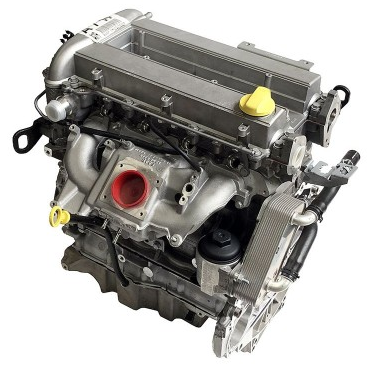
Engineered for forced induction, the B207R features a durable cast iron cylinder block and an aluminum cylinder head, optimizing heat dissipation and weight. A DOHC (Double Overhead Camshaft), 16-valve valvetrain incorporates Variable Valve Timing (VVT) on both intake and exhaust camshafts, enhancing combustion efficiency and power delivery across the RPM range. Fuel delivery is managed by a multi-port fuel injection (PFI) system. A Mitsubishi TD04-15T or similar turbocharger is integral to its design, providing forced air induction to achieve its specified power figures. The ‘square’ engine design, with an identical bore and stroke, contributes to its balance between low-end torque and high-revving capability.
While the ‘B207R’ designation is specific to Saab, most notably found in the high-performance Saab 9-3 Aero models from approximately 2003 to 2011, its underlying Ecotec architecture is foundational to many GM vehicles. Cadillac leveraged highly similar 2.0-liter turbocharged Ecotec engines, such as the LNF and later the LTG, in models like the Cadillac ATS and CTS. These Cadillac applications benefited from the advancements and lessons learned from earlier Ecotec variants like the B207R, often incorporating direct injection and further refinements for increased power and efficiency within the luxury performance segment.
Technical Specifications
| Specification | Value |
|---|---|
| Displacement (cc) | 1998 cc |
| Max Power (hp (kW) @ RPM) | 210 hp (154 kW) @ 5500 RPM |
| Max Torque (Nm (kg*m) @ RPM) | 300 Nm (30.6 kg*m) @ 2500-4000 RPM |
| Fuel Type | Premium Unleaded (91+ RON recommended) |
| Fuel Consumption (l/100 km) | ~8.5 – 9.5 (Combined cycle for typical application) |
| Engine Type | Inline 4-cylinder, Turbocharged |
| Compression Ratio | 9.5:1 |
| Cylinder Bore (mm) | 86.0 mm |
| Piston Stroke (mm) | 86.0 mm |
| Valvetrain | DOHC, VVT (Intake & Exhaust) |
| Valves per Cylinder | 4 |
| Additional Info | GM Ecotec L850 family; Port Fuel Injection (PFI); Mitsubishi TD04-15T turbocharger |
Common Problems & Reliability
The B207R, sharing its core architecture with other GM Ecotec engines, exhibits several common issues. One prevalent problem involves the PCV (Positive Crankcase Ventilation) system. Failures in the PCV diaphragm or associated components can lead to excessive oil consumption, turbocharger seal leaks, and in severe cases, rear main seal failure due to crankcase pressure buildup. Another recurring concern is timing chain wear. While generally durable, neglected oil changes or extended drain intervals accelerate chain stretch, manifesting as rattling noises, especially on cold start, and potentially leading to significant engine damage if unaddressed. Lastly, ignition coils and spark plugs can be susceptible to premature failure, particularly under sustained boost and high temperatures, leading to misfires and reduced performance.
Despite these common issues, the B207R engine is fundamentally robust. With diligent maintenance, including regular oil changes and proactive attention to known weak points, an expected service life of 150,000 to 200,000 miles (240,000-320,000 km) before requiring a major overhaul is realistic.
Maintenance Tips & Service Schedule
Optimal longevity and performance from the B207R engine depend heavily on strict adherence to a comprehensive maintenance schedule:
- Engine Oil: Utilize a high-quality, full synthetic 5W-30 engine oil. Oil and filter changes are recommended every 5,000-7,500 miles (8,000-12,000 km) or according to the vehicle’s Oil Life Monitor, whichever comes first. Frequent checks of oil levels are crucial due to potential consumption.
- Spark Plugs: Replace iridium or platinum-tipped spark plugs every 30,000-50,000 miles (48,000-80,000 km). Consistent spark quality is vital for turbocharged engine health.
- Timing Chain: The timing chain system requires inspection for stretch and guide wear typically around 100,000 miles (160,000 km). Replacement should occur if significant wear is detected, rather than at a fixed interval.
- Coolant: A complete coolant flush and refill with manufacturer-specified long-life coolant should be performed every 5 years or 100,000 miles (160,000 km).
- Air Filter: Inspect the engine air filter annually and replace every 15,000-30,000 miles (24,000-48,000 km), depending on driving conditions, to ensure optimal airflow to the turbocharger.
- PCV System: Regular inspection of PCV system components for cracks, clogs, or diaphragm failure is highly recommended, especially with higher mileage.
Conclusion
The Cadillac B207R, as a representative of the GM Ecotec 2.0T engine lineage, offers a compelling combination of spirited performance and reasonable fuel economy. For a used vehicle buyer, it can be a safe and reliable choice, provided the vehicle has a documented history of consistent and proper maintenance. Its underlying robustness, shared with many other GM platforms including performance Cadillac models, makes it a capable powerplant. However, potential buyers should be aware of specific Ecotec characteristics, such as PCV system vulnerabilities and timing chain maintenance requirements. A pre-purchase inspection by a qualified mechanic, with a focus on these known issues, is strongly advisable to ensure the engine’s long-term health and prevent costly repairs, ultimately making it a worthwhile investment for the enthusiast.