
Overview & Design Features
The Cadillac GM Buick LC4, more commonly known by its General Motors internal designation as the LFX, is a sophisticated 3.6-liter (3564 cc) naturally aspirated V6 engine. Developed as part of GM’s High Feature engine family, the LC4/LFX represents the third generation of this popular powertrain, engineered to deliver a balance of performance, refinement, and efficiency. Its deployment within Cadillac models underscores its role as a premium offering, providing the marque with a versatile and robust powerplant for various applications. This engine family has a significant historical presence across GM’s lineup, evolving through several iterations to incorporate advanced technologies.
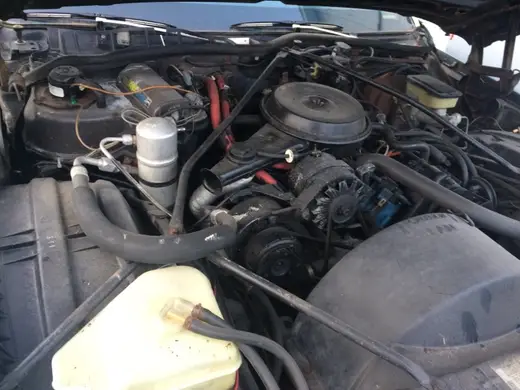
At its core, the LC4/LFX features an aluminum cylinder block and cylinder heads, contributing to its relatively light weight and efficient heat dissipation. It utilizes an advanced direct fuel injection system, which precisely atomizes fuel directly into the combustion chamber, optimizing combustion efficiency, power output, and fuel economy while reducing emissions. A key technological advancement is its variable valve timing (VVT) on both intake and exhaust camshafts, allowing for dynamic adjustment of valve overlap to improve torque across the RPM range and enhance overall engine breathing. Additionally, the engine incorporates an integrated exhaust manifold into the cylinder head design for faster catalyst light-off and improved packaging, alongside roller finger followers and hydraulic lash adjusters for reduced valvetrain friction.
The Cadillac LC4/LFX engine was primarily deployed in a range of Cadillac’s rear-wheel-drive and all-wheel-drive platforms. Notable applications include the Cadillac ATS (2013-2016, specifically the 3.6L models before the LGX revision), the Cadillac CTS (third generation, 2014-2015 for 3.6L models), and the Cadillac XTS (2013-2019 for naturally aspirated versions). It served as a powerful and reliable option, bridging the gap between smaller four-cylinder offerings and higher-performance V8 variants in these luxury vehicles.
Technical Specifications
| Displacement (cc) | 3564 |
| Max Power (hp (kW) @ RPM) | 321 (239) @ 6800 |
| Max Torque (Nm (kg*m) @ RPM) | 373 (38.0) @ 4800 |
| Fuel Type | Premium Unleaded Gasoline (91+ RON recommended) |
| Fuel Consumption (l/100 km) | 8.7 – 11.2 (combined, varies by vehicle & drivetrain) |
| Engine Type | V6, 60-degree, Naturally Aspirated |
| Compression Ratio | 11.5:1 |
| Cylinder Bore (mm) | 94.0 |
| Piston Stroke (mm) | 85.6 |
| Valvetrain | DOHC (Dual Overhead Camshaft) |
| Valves per Cylinder | 4 |
| Additional Info | Direct Injection, Variable Valve Timing (VVT) |
Common Problems & Reliability
- Carbon Buildup: As a direct injection engine, the LC4/LFX is susceptible to carbon accumulation on the intake valves due to the lack of fuel washing over the valve stems. This can lead to reduced airflow, misfires, decreased performance, and rough idle. Symptoms typically manifest after 80,000-120,000 kilometers and may require walnut blasting or chemical cleaning.
- Timing Chain Wear: While significantly improved over earlier High Feature V6 generations, the LC4/LFX can still experience timing chain wear, particularly in units with inconsistent oil change intervals or very high mileage. Excessive chain stretch can lead to VVT-related fault codes (e.g., P0016, P0017) and potentially severe engine damage if not addressed. Listening for a rattling noise from the front of the engine, especially at startup, is an indicator.
- PCV System Issues/Oil Consumption: Some LC4/LFX engines may exhibit elevated oil consumption due to issues with the Positive Crankcase Ventilation (PCV) system or piston ring design. This can be exacerbated by spirited driving or extended idle periods, leading to oil entering the intake manifold and contributing to carbon buildup. Regular monitoring of oil levels is essential.
Under proper and diligent maintenance, the Cadillac LC4/LFX engine is generally capable of achieving a service life exceeding 250,000 to 300,000 kilometers before requiring a major overhaul. Proactive addressing of known issues significantly contributes to its longevity.
Maintenance Tips & Service Schedule
- Engine Oil: Utilize a high-quality, full-synthetic engine oil meeting GM dexos1 Gen2 specifications (e.g., 5W-30 viscosity). Oil and filter changes are recommended every 8,000-12,000 kilometers or every 12 months, whichever comes first. Adherence to the vehicle’s Oil Life Monitoring (OLM) system is advised.
- Spark Plugs: Replace iridium spark plugs every 100,000-160,000 kilometers. Use only specified OEM or equivalent plugs to ensure proper combustion and prevent misfires.
- Timing Chain: While not a scheduled replacement item, listen for unusual noises. Consider inspection or replacement around 160,000-200,000 kilometers if symptoms of wear (e.g., rattling, fault codes) are present. Use high-quality oil and adhere to change intervals to minimize wear.
- Coolant Flush: Perform a coolant flush and refill with GM-approved Dex-Cool long-life coolant every 5 years or 150,000 kilometers, whichever occurs first.
- Fuel System Cleaning: Due to direct injection, periodic fuel system cleaning (e.g., every 50,000 kilometers) with a quality fuel additive can help mitigate carbon buildup. Walnut blasting or professional intake valve cleaning may be necessary at higher mileages.
- Air Filter: Replace the engine air filter every 40,000-60,000 kilometers, or more frequently in dusty conditions.
Conclusion
The Cadillac LC4/LFX engine generally stands as a robust and powerful choice for a used vehicle buyer, offering commendable performance and refinement for its class. Its widespread use across various GM platforms attests to its reliability and versatility. While it shares some common direct injection challenges, such as potential carbon buildup and timing chain wear (especially if maintenance is neglected), these issues are well-documented and manageable with proactive and consistent maintenance. For buyers considering a used Cadillac equipped with this engine, a thorough pre-purchase inspection and a review of service records are recommended to ensure its past care. With proper upkeep, the LC4/LFX provides a reliable and engaging driving experience.