
Overview & Design Features
The GM L61 is a 2.2-liter (2198 cc) inline-four engine, a prominent member of General Motors’ Ecotec engine family. Developed to deliver a balanced blend of fuel efficiency, performance, and reduced emissions, the L61 served as a versatile powerplant across a broad spectrum of GM’s compact and mid-size vehicles from the early 2000s. For the Cadillac brand, this specific engine found its application primarily in the European-market Cadillac BLS model, where it provided a practical and economical powertrain solution, aligning with regional demands for moderate displacement and favorable fuel consumption.
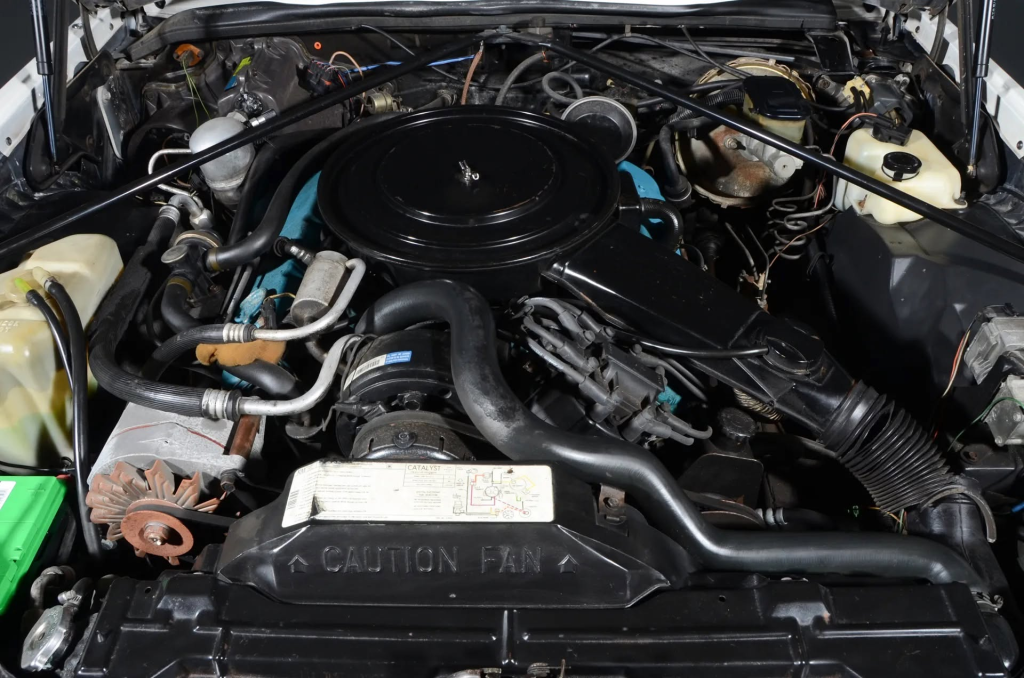
Engineered with a focus on modern design and durability, the L61 features an all-aluminum construction for both its cylinder block and cylinder head, contributing to a lighter overall vehicle weight and enhanced thermal management. The engine incorporates a dual overhead camshaft (DOHC) valvetrain configuration, actuating four valves per cylinder to optimize airflow dynamics for efficient combustion. Early variants utilized multi-port fuel injection (MPFI) for precise fuel delivery. A key technological advancement in the L61 was the integration of variable valve timing (VVT) on both intake and exhaust camshafts in most applications, which dynamically adjusts valve overlap to improve low-end torque, maximize horsepower at higher RPMs, and enhance fuel economy across diverse operating conditions.
The GM L61 engine was widely distributed across various General Motors platforms. For the Cadillac marque, this engine was specifically offered in the Cadillac BLS sedan and wagon, predominantly sold in European and other international markets, from its launch in 2006 until the model’s cessation of production around 2009. Beyond Cadillac, the L61 was a common engine choice for popular models such as the Chevrolet Cobalt, Pontiac G5, Saturn ION, Saturn Vue, and Chevrolet HHR, frequently serving as the standard or entry-level powertrain option in these vehicles.
Technical Specifications
| Displacement (cc) | 2198 |
| Max Power (hp (kW) @ RPM) | 145-155 hp (108-116 kW) @ 5600-6000 RPM |
| Max Torque (Nm (kg*m) @ RPM) | 203-220 Nm (20.7-22.4 kg*m) @ 4200-4800 RPM |
| Fuel Type | Unleaded Gasoline (Minimum 87 RON) |
| Fuel Consumption (l/100 km) | 7.5-9.5 (Combined cycle, varies by vehicle) |
| Engine Type | Inline-Four (I4), DOHC Ecotec |
| Compression Ratio | 10.0:1 – 10.2:1 |
| Cylinder Bore (mm) | 86.0 |
| Piston Stroke (mm) | 94.6 |
| Valvetrain | Dual Overhead Camshaft (DOHC), 16-valve, Variable Valve Timing (VVT) |
| Valves per Cylinder | 4 |
| Additional Info | All-aluminum construction, Multi-Port Fuel Injection (MPFI) |
Common Problems & Reliability
While the GM L61 engine is generally regarded as a robust and reliable powerplant, specific issues tend to emerge with advancing mileage or inconsistent maintenance practices. A notable concern involves the timing chain and its associated tensioner and guides. Neglecting regular oil changes or using incorrect oil viscosity can accelerate wear, leading to timing chain stretch. Symptoms include audible rattling, particularly on cold starts, and potential engine misfires, necessitating costly replacement if unaddressed. Another frequently reported issue is elevated oil consumption. This can stem from worn valve stem seals, issues within the PCV (Positive Crankcase Ventilation) system, or, in more severe cases, worn piston rings. Regular monitoring of oil levels is essential to prevent low oil conditions.
Furthermore, failures of ignition coils and spark plugs are relatively common, leading to engine misfires, a reduction in power, and activation of the check engine light. Fuel injector clogging or malfunction can also occur, impacting fuel delivery and engine performance. Despite these potential pitfalls, with consistent and diligent maintenance, the GM L61 engine is well-engineered to achieve a realistic service life of well over 200,000 miles before requiring major internal repair or overhaul. Engines with thorough service documentation and adherence to recommended fluid changes often exceed this mileage threshold.
Maintenance Tips & Service Schedule
Proactive and consistent maintenance is paramount to ensuring the long-term reliability and performance of the GM L61 engine. The most critical service item is engine oil and filter replacement. It is strongly recommended to use a high-quality synthetic or synthetic blend engine oil with a viscosity of 5W-30, meeting GM Dexos specifications where applicable. Oil and filter changes should be performed every 5,000 to 7,500 miles or every 6 months, whichever occurs first, especially for vehicles operating under severe driving conditions or with higher mileage. Timely oil changes are crucial for preventing premature timing chain wear.
Spark plugs should be inspected at 50,000-mile intervals and replaced with iridium or platinum-tipped plugs every 100,000 miles to maintain optimal ignition efficiency. The engine coolant, specifically GM’s Dex-Cool formulation, requires replacement and a system flush every 5 years or 100,000 miles. Although the L61 employs a timing chain designed for extended durability, it should be inspected for excessive slack or noise around 120,000 to 150,000 miles, with replacement of the chain, guides, and tensioners undertaken if significant wear is detected. Air filters and fuel filters (if externally mounted) should be replaced according to manufacturer guidelines, typically every 15,000-30,000 miles for air and 50,000 miles for fuel, respectively.
Conclusion
The Cadillac-branded GM L61 engine, as a derivative of the robust Ecotec series, generally represents a practical and dependable choice for a used vehicle buyer, particularly in its primary Cadillac application within the BLS. Its all-aluminum construction, DOHC 16-valve design with VVT, and multi-port fuel injection system deliver a competent balance of efficiency and adequate performance. Provided the vehicle has a documented history of consistent oil changes and general upkeep, the L61 is capable of providing many additional years and miles of reliable service. Prospective buyers should specifically investigate timing chain service records and be prepared to address typical higher-mileage issues such as minor oil consumption or ignition system component wear. With adherence to preventative maintenance, the L61 proves to be a durable and economical engine, making vehicles equipped with it a generally safe and sensible acquisition.