
Overview & Design Features
The Cadillac L92 is a prominent member of General Motors’ Gen IV small-block V8 engine family, introduced in 2007. Manufactured by General Motors, this naturally aspirated overhead valve (OHV) engine boasts a displacement of 6.2 liters (6162 cc). It was specifically engineered for premium trucks and SUVs, embodying a blend of robust power output and enhanced refinement for the luxury segment. Its introduction marked a significant upgrade for vehicles requiring substantial towing capacity and performance, solidifying its position as a flagship powertrain for Cadillac’s full-size offerings.
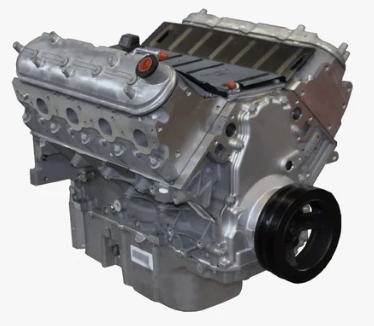
The L92 engine features an advanced all-aluminum construction for both its cylinder block and cylinder heads, contributing to reduced overall vehicle weight and improved thermal management. Its architecture utilizes a deep-skirt block design for enhanced rigidity. Fuel delivery is achieved via sequential port fuel injection (PFI), ensuring precise fuel atomization and combustion efficiency. A key technological advancement in the L92 is its implementation of Variable Valve Timing (VVT), which optimizes camshaft phasing to improve low-end torque, high-RPM power, and fuel efficiency across the engine’s operating range. Unlike some contemporary Gen IV engines, the original L92 did not incorporate Active Fuel Management (AFM), a feature often desired by enthusiasts for its simpler mechanical design.
This 6.2L V8 engine was primarily deployed in General Motors’ GMT900 platform vehicles from 2007 to 2013. Its most notable applications include the Cadillac Escalade, Escalade ESV, and Escalade EXT. It also powered the GMC Yukon Denali and Yukon XL Denali, serving as the top-tier engine option for these luxury SUVs. Furthermore, certain high-performance variants of the Chevrolet Silverado and GMC Sierra pickup trucks, often branded as Vortec Max or similar trims, received the L92, leveraging its robust power for demanding tasks and spirited driving.
Technical Specifications
| Displacement (cc) | 6162 |
| Max Power (hp (kW) @ RPM) | 403 (296) @ 5700 |
| Max Torque (Nm (kg*m) @ RPM) | 565 (57.6) @ 4300 |
| Fuel Type | Gasoline (Premium recommended for optimal performance) |
| Fuel Consumption (l/100 km) | Varies by vehicle application, typically 15-18 (combined) |
| Engine Type | V8, OHV (Pushrod) |
| Compression Ratio | 10.4:1 |
| Cylinder Bore (mm) | 103.25 |
| Piston Stroke (mm) | 92 |
| Valvetrain | OHV, 2 valves per cylinder, Variable Valve Timing (VVT) |
| Valves per Cylinder | 2 |
| Additional Info | All-aluminum block and heads; Port Fuel Injection (PFI); No Active Fuel Management (AFM) |
Common Problems & Reliability
The L92 engine is generally considered a reliable powertrain, benefiting from the robust design principles of the Gen IV small-block family. However, like any internal combustion engine, it exhibits some common issues. A notable concern for some early Gen IV engines, including the L92, can be premature valve spring failure. This may manifest as a ticking noise or, in severe cases, misfires due to a collapsed spring. Another area for attention at higher mileages is oil consumption, which can sometimes be attributed to PCV system issues or wear in piston rings, particularly if maintenance schedules are neglected. Additionally, components such as the water pump are common wear items across many GM V8 platforms and may require replacement after 100,000 miles. With diligent maintenance, an L92 engine can realistically achieve a service life exceeding 200,000 miles (320,000 km) before requiring major internal overhaul.
Maintenance Tips & Service Schedule
Proactive and consistent maintenance is crucial for maximizing the longevity and performance of the Cadillac L92 engine. Engine oil should be replaced with a high-quality synthetic 5W-30 engine oil at intervals determined by the vehicle’s Oil Life Monitoring system, typically every 5,000 to 7,500 miles (8,000 to 12,000 km), or annually, whichever comes first. Spark plugs, typically iridium-tipped, require replacement approximately every 100,000 miles (160,000 km). The engine’s cooling system, which uses Dex-Cool antifreeze, should be flushed and refilled every 5 years or 100,000 miles to prevent corrosion and maintain optimal cooling efficiency. While the timing chain is designed for the life of the engine, it is advisable to inspect the chain, tensioners, and guides for wear around 150,000 miles (240,000 km), especially if unusual noises are present. Regular inspection of serpentine belts, hoses, and fluid levels is also highly recommended to prevent unexpected failures.
Conclusion
The Cadillac L92 engine stands out as a highly capable and generally reliable V8, particularly desirable for its robust power delivery and the absence of the often-problematic Active Fuel Management system present in some later Gen IV iterations. For a used vehicle buyer, an L92-equipped vehicle represents a solid choice, provided it has a documented history of consistent maintenance. Its strong performance, durability, and a relatively straightforward maintenance profile make it a safe and compelling option for those seeking a powerful and dependable powertrain in luxury SUVs and trucks.