
Overview & Design Features
The Cadillac LAH is a sophisticated 3.0-liter twin-turbocharged V6 engine, developed by General Motors and primarily utilized in Cadillac’s performance-oriented luxury vehicles. Introduced as part of Cadillac’s strategic shift towards advanced, forced-induction powertrains, the LAH engine represents a blend of high performance and efficiency. Its design focuses on delivering robust power output comparable to larger V8 engines, while maintaining a smaller footprint and improved fuel economy, aligning with contemporary automotive engineering trends.
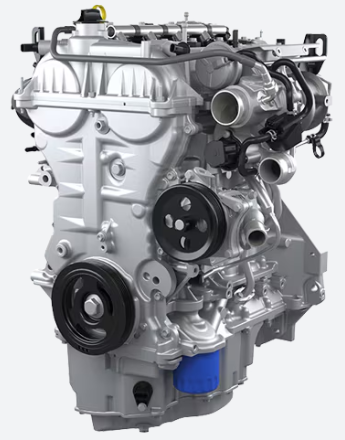
Engineering highlights of the LAH engine include its lightweight construction, featuring a precision sand-cast A319-T7 aluminum cylinder block and A356-T6 aluminum cylinder heads. Fuel delivery is managed by a high-pressure direct injection system, optimizing combustion efficiency and power. The valvetrain consists of dual overhead camshafts (DOHC) with four valves per cylinder, complemented by continuously variable valve timing (CVVT) on both intake and exhaust sides for broad torque delivery across the RPM range. Forced induction is provided by twin low-inertia, twin-scroll turbochargers, each serving a bank of cylinders, paired with an efficient water-to-air intercooling system for consistent power delivery.
This potent powertrain was initially deployed in the 2016-2020 Cadillac CT6, specifically in higher trims such as the Platinum, where it served as a flagship engine option. Subsequently, a slightly retuned version of the LAH engine found its way into the 2020-present Cadillac CT5-V, solidifying its role as a core performance engine for the brand.
Technical Specifications
| Specification | Value |
|---|---|
| Displacement (cc) | 2997 |
| Max Power (hp (kW) @ RPM) | 404 hp (301 kW) @ 5700 RPM (CT6 Platinum) |
| Max Torque (Nm (kg*m) @ RPM) | 542 Nm (55.3 kg*m) @ 2500-5100 RPM |
| Fuel Type | Premium Unleaded (91+ RON recommended) |
| Fuel Consumption (l/100 km) | Approximately 10.5-11.5 (combined, depending on application) |
| Engine Type | Twin-Turbocharged V6, DOHC, Direct Injection |
| Compression Ratio | 9.8:1 |
| Cylinder Bore (mm) | 86.0 |
| Piston Stroke (mm) | 85.8 |
| Valvetrain | DOHC, Continuously Variable Valve Timing (CVVT) |
| Valves per Cylinder | 4 |
| Additional Info | Aluminum block & heads, twin low-inertia twin-scroll turbos, electronic wastegates, water-to-air intercooler. |
Common Problems & Reliability
The Cadillac LAH engine generally exhibits robust reliability, but like many modern, high-output direct injection (DI) engines, it has specific areas that warrant attention.
- Carbon Buildup on Intake Valves: A typical characteristic of DI engines, carbon deposits can accumulate on the back of the intake valves over time, potentially leading to reduced airflow, decreased performance, and rough idling. This necessitates periodic cleaning, often via walnut blasting, typically every 60,000-80,000 miles (96,000-128,000 km) depending on driving conditions and fuel quality.
- Oil Leaks: As mileage accumulates, gaskets and seals, particularly those for the valve covers, timing cover, and oil pan, can harden and develop leaks. While often minor, these require attention to prevent oil starvation or contamination of other components. Regular inspection for oil residue is recommended.
- Turbocharger Longevity: The twin-turbochargers are critical components. While engineered for durability, their lifespan can be impacted by inconsistent oil changes, aggressive driving habits, or prolonged high-temperature operation. Premature turbocharger wear or failure can manifest as excessive oil consumption, smoke from the exhaust, or loss of boost.
With proper and diligent maintenance, including adherence to recommended service intervals and using specified fluids, the Cadillac LAH engine can reliably achieve 150,000 to 200,000 miles (240,000 to 320,000 km) before requiring major internal components service or an overhaul.
Maintenance Tips & Service Schedule
Optimal performance and longevity of the LAH engine are directly linked to adherence to a strict maintenance schedule and the use of correct specifications.
- Engine Oil & Filter: Utilize full synthetic engine oil conforming to GM’s Dexos specification, typically 5W-30 or 0W-30 viscosity. Changes are recommended every 7,500 miles (12,000 km) or annually, or as indicated by the vehicle’s Oil Life Monitor, whichever comes first. For severe driving conditions, more frequent changes may be advisable.
- Spark Plugs: Replace iridium-tipped spark plugs every 45,000-60,000 miles (72,000-96,000 km). This ensures efficient combustion and prevents misfires that can stress ignition components and catalytic converters.
- Engine Air Filters: Inspect and replace annually or every 15,000-20,000 miles (24,000-32,000 km) to maintain optimal air-fuel mixture and prevent contaminants from entering the engine.
- Coolant Flush: The cooling system uses GM Dex-Cool extended-life coolant. A flush and refill should be performed every 5 years or 100,000 miles (160,000 km) to preserve cooling system efficiency and prevent corrosion.
- Fuel System Cleaner: Due to direct injection, periodic use of a high-quality fuel system cleaner (containing PEA – polyether amine) is recommended every 10,000-15,000 miles (16,000-24,000 km) to help mitigate carbon buildup on injectors and valves.
- Transmission Fluid: For the automatic transmission paired with this engine, fluid and filter changes are typically recommended every 50,000 miles (80,000 km) under severe service conditions, or 100,000 miles (160,000 km) for normal driving, using specified GM Dexron VI fluid.
Conclusion
The Cadillac LAH engine stands as a testament to modern engineering, offering impressive power output and refined performance within a relatively compact and efficient package. For a used vehicle buyer, an LAH-equipped Cadillac represents a compelling choice for enthusiasts seeking a luxurious performance sedan. Its reliability is generally strong, provided the vehicle has a documented history of consistent and professional maintenance. Potential buyers should prioritize vehicles with comprehensive service records, especially concerning oil changes and addressing direct injection-related carbon buildup. With proper care, the LAH engine offers a rewarding and durable ownership experience.