
Overview & Design Features
The Cadillac LY9 is a 5.3-liter (5328 cc) V8 gasoline engine, part of General Motors’ renowned Gen IV Small Block engine family. Primarily utilized in Cadillac’s luxury SUVs and various Chevrolet and GMC trucks and SUVs, the LY9 represents a blend of robust performance and enhanced efficiency for its era. It served as a workhorse engine, providing ample power and torque suitable for heavy-duty applications such as towing and hauling, making it a prominent choice for the Cadillac Escalade from 2007 to 2014.
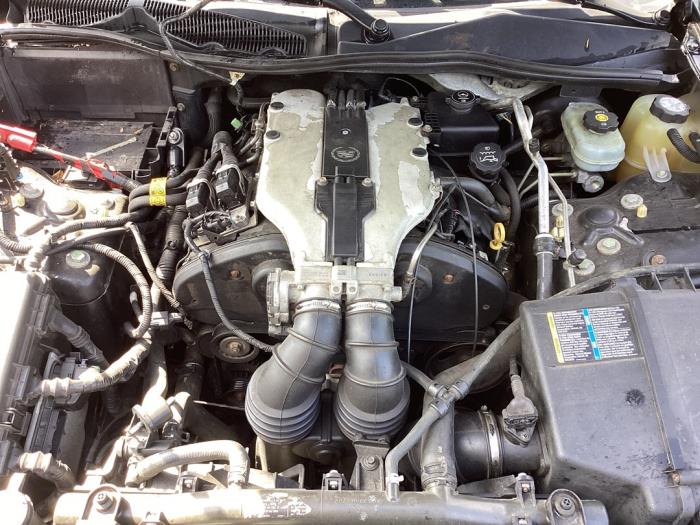
Engineered for durability and performance, the LY9 features an all-aluminum construction, comprising both the cylinder block and cylinder heads, contributing to reduced overall vehicle weight and improved thermal management. Fuel delivery is managed by a Sequential Port Fuel Injection (SFI) system. A key technological advancement in the LY9 is the inclusion of Variable Valve Timing (VVT), which optimizes valve overlap and lift for improved power across the RPM range and better fuel economy. Furthermore, the engine incorporates Active Fuel Management (AFM), also known as Displacement on Demand (DoD), which allows the engine to seamlessly deactivate four cylinders under light-load conditions, enhancing fuel efficiency. Internally, the LY9 utilizes hypereutectic pistons, powdered metal connecting rods, and a nodular iron crankshaft for strength and reliability.
This specific iteration of the 5.3L Vortec engine saw extensive deployment across General Motors’ light truck and SUV lineup. Its primary application within the Cadillac brand was in the Cadillac Escalade (2007-2014), including the standard Escalade, ESV, and EXT models. Beyond Cadillac, the LY9 was also found in several Chevrolet and GMC vehicles, typically in higher trim levels or specific 4WD configurations, from approximately 2007 to 2014 model years. These include the Chevrolet Avalanche, Silverado 1500, Suburban 1500, and Tahoe, as well as the GMC Sierra 1500, Yukon, and Yukon XL 1500.
Technical Specifications
| Displacement (cc) | 5328 cc |
| Max Power (hp (kW) @ RPM) | 320 hp (239 kW) @ 5200 RPM |
| Max Torque (Nm (kg*m) @ RPM) | 454 Nm (46.3 kg*m) @ 4200 RPM |
| Fuel Type | Regular Unleaded Gasoline (E85 compatible in some variants) |
| Fuel Consumption (l/100 km) | Vehicle dependent; approximately 14-16 L/100 km combined for Cadillac Escalade. |
| Engine Type | V8, Naturally Aspirated, Overhead Valve (OHV), Gen IV Small Block |
| Compression Ratio | 9.9:1 |
| Cylinder Bore (mm) | 96.01 mm |
| Piston Stroke (mm) | 92.00 mm |
| Valvetrain | OHV, 2 Valves per Cylinder, Hydraulic Roller Lifters |
| Valves per Cylinder | 2 |
| Additional Info | Active Fuel Management (AFM), Variable Valve Timing (VVT), Aluminum Block & Heads, Sequential Port Fuel Injection |
Common Problems & Reliability
The Cadillac LY9 engine, while generally robust, is known for several recurring issues, primarily associated with its Active Fuel Management (AFM) system. One prevalent problem involves AFM lifter failure, where hydraulic roller lifters in the cylinders targeted by AFM can collapse. This leads to misfires, rough idling, ticking noises, and potential camshaft damage if not addressed promptly. Another common concern is excessive oil consumption, often exacerbated by the AFM system’s operation, leading to fouled spark plugs, catalytic converter damage, and the risk of running critically low on oil between service intervals. Piston ring design and the PCV system are also implicated in some cases of oil consumption. Lastly, issues with the Variable Valve Timing (VVT) actuator solenoid can occur, manifesting as erratic engine behavior, reduced performance, and diagnostic trouble codes such as P0011 or P0016.
With diligent maintenance and proactive attention to its known weak points, the LY9 engine can achieve a service life exceeding 200,000 miles (320,000 km). Many examples surpass 250,000 to 300,000 miles (400,000 to 480,000 km), demonstrating the underlying durability of the Gen IV Small Block architecture. However, untreated AFM issues can drastically shorten this lifespan, potentially necessitating major engine repair or replacement much earlier.
Maintenance Tips & Service Schedule
- Oil Changes: Adhere strictly to the manufacturer’s recommended oil change intervals, typically every 5,000-7,500 miles (8,000-12,000 km) or as indicated by the Oil Life Monitor. Use high-quality synthetic 5W-30 motor oil to best protect the AFM system. Regularly check oil levels between changes, at least every 1,000 miles, due to the engine’s propensity for oil consumption.
- Spark Plugs: Replace iridium or platinum-tipped spark plugs every 100,000 miles (160,000 km) to maintain optimal combustion and fuel efficiency.
- Coolant Flushes: Perform a complete coolant system flush and refill every 5 years or 100,000 miles (160,000 km) using Dex-Cool compatible coolant to prevent corrosion and maintain cooling system efficiency.
- Air Filter: Inspect the engine air filter at every oil change and replace it annually or every 15,000-30,000 miles (24,000-48,000 km), depending on driving conditions, to ensure proper airflow and filtration.
- PCV System: Periodically inspect the Positive Crankcase Ventilation (PCV) valve and associated hoses for clogs or leaks, as a malfunctioning PCV system can contribute to oil consumption issues.
- AFM System: For owners concerned about AFM-related issues, research into AFM disabler devices or AFM delete kits (which involve replacing AFM lifters and modifying the oil pump/valley cover) can be considered, especially for engines approaching higher mileage. These modifications can mitigate future lifter failures and excessive oil consumption but should be approached with careful consideration.
- Timing Chain: The timing chain is designed for the life of the engine. However, inspect for noise or abnormal wear during major services, especially if high mileage is accumulated.
Conclusion
The Cadillac LY9 engine stands as a powerful and capable V8, delivering the performance expected from luxury SUVs and work-oriented trucks. Its aluminum construction, VVT, and AFM technologies were advanced for its time, contributing to a respectable balance of power and efficiency. For a used vehicle buyer, the LY9 represents a generally reliable choice, provided its primary Achilles’ heel – the Active Fuel Management system – has been proactively addressed or is in good working order. Prospective owners should prioritize vehicles with a comprehensive service history, especially regarding oil changes, and be prepared to monitor oil levels regularly. With proper maintenance and awareness of its specific characteristics, an LY9-equipped vehicle can offer many years of dependable service and strong performance.