
Overview & Design Features
The Cadillac LSA engine is a supercharged 6.2-liter (6162 cc) V8, a significant performance powerplant developed by General Motors. Introduced in 2009, this engine is a derivative of the acclaimed LS9 from the Corvette ZR1, specifically engineered for high-performance luxury and muscle car applications. It is renowned for its robust construction, impressive power delivery, and its characteristic whine from the forced induction system, establishing it as a hallmark of Cadillac’s V-series performance lineage.
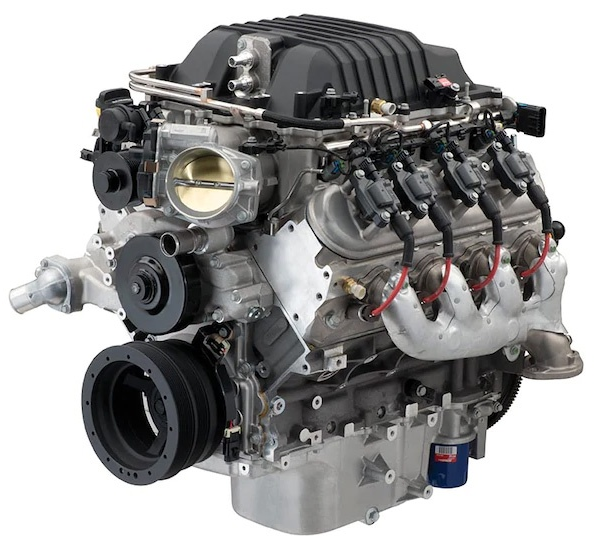
The LSA features a sturdy A356-T6 aluminum cylinder block, incorporating cast-iron cylinder liners for enhanced durability. Its rotocast A356-T6 aluminum cylinder heads are designed for optimal airflow and heat dissipation. Fuel delivery is achieved via sequential port fuel injection, and valve actuation employs a pushrod overhead valve (OHV) design with hydraulic roller lifters. A key engineering feature is the Eaton TVS R1900 four-lobe supercharger, which provides efficient air compression. This supercharger is integrated with a dual-brick charge-air intercooling system, effectively reducing intake air temperatures for consistent performance. The engine also utilizes a forged steel crankshaft, powdered metal connecting rods, and hypereutectic aluminum pistons, all contributing to its strength and longevity under high-stress conditions.
This potent engine was primarily deployed in select high-performance models. Its most notable applications include the second-generation Cadillac CTS-V (sedan, coupe, and wagon) from 2009 to 2015 and the fifth-generation Chevrolet Camaro ZL1 from 2012 to 2015. Minor variations in power output existed between these applications due to differing intake and exhaust systems and calibration, but the core LSA architecture remained consistent.
Technical Specifications
| Displacement (cc) | 6162 |
| Max Power (hp (kW) @ RPM) | 556 hp (415 kW) @ 6100 RPM (Cadillac CTS-V) |
| Max Torque (Nm (kg*m) @ RPM) | 747 Nm (76.2 kg*m) @ 3800 RPM (Cadillac CTS-V) |
| Fuel Type | Premium Unleaded (91+ RON) |
| Fuel Consumption (l/100 km) | Refer to manufacturer’s technical documentation |
| Engine Type | Supercharged V8, OHV |
| Compression Ratio | 9.1:1 |
| Cylinder Bore (mm) | 103.25 |
| Piston Stroke (mm) | 92.0 |
| Valvetrain | OHV, Hydraulic Roller Lifters |
| Valves per Cylinder | 2 |
| Additional Info | Eaton TVS R1900 Supercharger, Charge-Air Intercooling, Cast-Iron Cylinder Liners |
Common Problems & Reliability
The LSA engine is generally considered highly reliable, especially for a high-performance, supercharged unit. However, specific components are known to experience wear or failure over time:
- Supercharger Isolator Coupler: A common issue is wear of the supercharger’s internal isolator coupler. This often manifests as a distinct rattling or marbles-in-a-can sound at idle, particularly noticeable when the engine is warm. While not immediately catastrophic, replacement is necessary to prevent further damage and restore quiet operation.
- Harmonic Balancer (Crank Pulley): The factory harmonic balancer, which incorporates a rubber isolator, can delaminate or fail, especially on higher mileage engines or those subjected to frequent high-RPM use. Symptoms include belt squealing, vibration, or physical separation of the outer ring. Timely replacement is crucial to avoid accessory drive failure.
- PCV System/Oil Consumption: Under sustained high-RPM driving, some LSA engines may exhibit elevated oil consumption. While not a fundamental design flaw, this can lead to oil accumulation in the intake tract and potentially on valve stems. Installation of an aftermarket oil catch can is a popular modification to mitigate this, though proper function of the factory Positive Crankcase Ventilation (PCV) system should always be verified.
With diligent maintenance and proper driving habits, an LSA engine can realistically achieve a service life exceeding 150,000 to 200,000 miles (240,000 to 320,000 km) before requiring major internal overhaul.
Maintenance Tips & Service Schedule
Maintaining the LSA engine is crucial for preserving its performance and extending its lifespan. Adherence to a strict service schedule is recommended:
- Engine Oil & Filter: Replace every 5,000-7,500 miles (8,000-12,000 km) or every 6 months, whichever comes first. Use a full synthetic 5W-30 engine oil meeting GM dexos1 Gen2 specifications.
- Spark Plugs: Replace every 50,000-60,000 miles (80,000-96,000 km).
- Supercharger Oil: The supercharger oil should be inspected and replaced every 50,000-75,000 miles (80,000-120,000 km). Refer to the manufacturer’s specific fluid recommendations.
- Coolant Flush: Perform a complete cooling system flush and refill with suitable long-life coolant every 5 years or 100,000 miles (160,000 km). This includes both the primary engine cooling circuit and the supercharger intercooler circuit.
- Serpentine Belts: Inspect annually for cracks or fraying. Replace the main serpentine belt and the supercharger drive belt every 50,000-75,000 miles (80,000-120,000 km) or sooner if wear is observed.
- Air Filters: Inspect the engine air filter annually and replace every 15,000-30,000 miles (24,000-48,000 km) depending on driving conditions.
Conclusion
The Cadillac LSA engine stands as a testament to robust American V8 engineering, delivering formidable performance without significant compromises in reliability. Its supercharged nature provides an exhilarating driving experience, and its internal strength allows for considerable tuning potential. For a used vehicle buyer, an LSA-equipped car represents a safe and reliable choice, provided the vehicle has a documented history of consistent maintenance and passes a thorough pre-purchase inspection by a qualified mechanic. Any known issues are generally manageable with preventative care or readily available aftermarket solutions, making it an enduringly desirable powerplant.