
Overview & Design Features
The Cadillac Small-Block L05 is a robust 5.7-liter (350 cubic inch) V8 engine, part of General Motors’ venerable first-generation Small-Block architecture. Manufactured by Chevrolet, the L05 variant was specifically adapted and deployed across various GM platforms, including luxury applications for Cadillac, during the late 1980s and early 1990s. This engine represents a transitional period in automotive engineering, bridging carbureted designs and more sophisticated multi-port fuel injection systems, emphasizing reliability and straightforward serviceability over outright performance or cutting-edge technology.
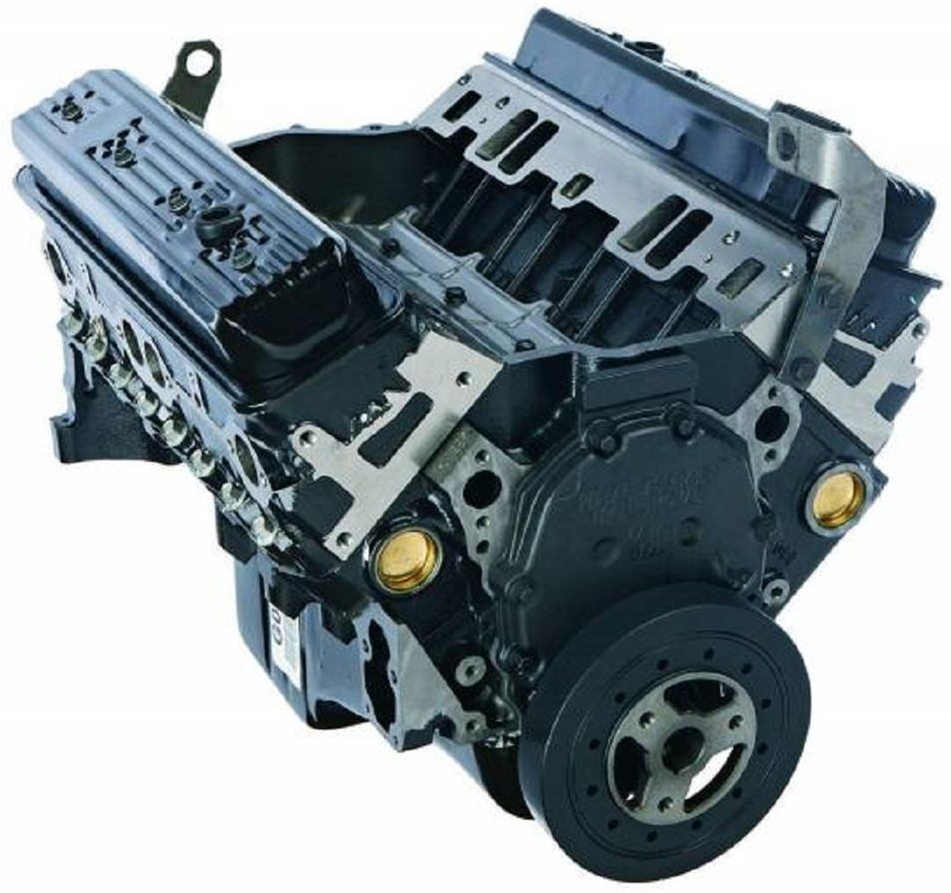
Engineered for durability, the L05 features a sturdy cast iron cylinder block and matching cast iron cylinder heads. It utilizes a traditional overhead valve (OHV) pushrod valvetrain, a characteristic hallmark of the GM Small-Block family, ensuring mechanical simplicity and proven longevity. Fuel delivery is handled by a Throttle Body Injection (TBI) system, which employs two centrally located fuel injectors atop a single throttle body, providing a batch-fire injection strategy. This system offered improved cold starting and fuel economy compared to carburetion, without the complexity of individual port injectors or variable valve timing.
The Cadillac-specific L05 engine was primarily found in full-size luxury sedans and commercial chassis vehicles. Notable applications include the 1990-1992 Cadillac Fleetwood Brougham, the 1990-1992 Cadillac Brougham, and various Cadillac Commercial Chassis models used for limousines and hearses during the early 1990s. While also prevalent in Chevrolet and GMC trucks and SUVs of the era, its deployment in Cadillac vehicles underscored GM’s commitment to equipping its premium brands with proven, dependable powerplants.
Technical Specifications
| Specification | Value |
|---|---|
| Displacement (cc) | 5733 (350 cu in) |
| Max Power (hp (kW) @ RPM) | 170-200 hp (127-149 kW) @ 4000 RPM |
| Max Torque (Nm (kg*m) @ RPM) | 380-400 Nm (38.7-40.8 kg*m) @ 2400-3200 RPM |
| Fuel Type | Unleaded Gasoline |
| Fuel Consumption (l/100 km) | Approximately 13-16 (combined cycle, varies by vehicle) |
| Engine Type | 90-degree V8 |
| Compression Ratio | 8.7:1 – 9.3:1 |
| Cylinder Bore (mm) | 101.6 |
| Piston Stroke (mm) | 88.4 |
| Valvetrain | Overhead Valve (OHV), Pushrod |
| Valves per Cylinder | 2 |
| Additional Info | Cast iron block and heads, Throttle Body Injection (TBI), hydraulic roller camshaft |
Common Problems & Reliability
The Cadillac Small-Block L05 is renowned for its durability and straightforward design, contributing to its generally high reliability. However, like any engine of its vintage, it exhibits certain common issues primarily related to age and component wear. One frequent concern involves the Throttle Body Injection (TBI) unit itself, where fuel injector clogging, fuel pressure regulator failures, or wear in the throttle position sensor (TPS) can lead to rough idling, hesitation, or poor fuel economy. Regular maintenance and proper fuel system cleaning can mitigate these issues.
Another common characteristic involves oil leaks, particularly from the rear main seal, valve cover gaskets, and oil pan gasket. These leaks are typical for older GM Small-Block engines and are often a result of aging rubber seals and gaskets. While not always critical, unaddressed leaks can lead to significant oil loss over time. Lastly, components within the ignition system, such as the distributor cap, rotor, and ignition module, can degrade, leading to misfires or starting problems. The L05 engine generally offers a remarkable service life, frequently exceeding 200,000 miles (320,000 km) and often considerably more, provided it receives consistent and appropriate maintenance.
Maintenance Tips & Service Schedule
Maintaining the Cadillac Small-Block L05 is key to its longevity, with its basic design making most procedures accessible. Adhering to the following schedule and practices is recommended:
- Engine Oil and Filter: Perform changes every 5,000 km (3,000 miles) or every 3-6 months, whichever comes first. Use a good quality 5W-30 or 10W-30 conventional or synthetic blend oil, depending on climate and engine wear.
- Spark Plugs: Replace iridium or platinum spark plugs every 50,000 km (30,000 miles). Inspect plug wires for signs of degradation.
- Fuel Filter: Replace the in-line fuel filter every 20,000-30,000 km (12,000-18,000 miles) to prevent TBI injector clogging and maintain optimal fuel flow.
- Air Filter: Inspect annually and replace as needed, or every 25,000 km (15,000 miles).
- Coolant Flush: Flush and refill the cooling system every 3 years or 50,000 km (30,000 miles) using an appropriate silicate-free antifreeze. Inspect hoses and belts for wear simultaneously.
- PCV Valve: Inspect and replace the Positive Crankcase Ventilation (PCV) valve annually or every 25,000 km (15,000 miles) to ensure proper crankcase ventilation and prevent oil sludge.
- TBI Unit Inspection: Periodically inspect the TBI unit for proper operation, cleanliness, and fuel spray pattern. Cleaning the throttle body can help maintain smooth idle and throttle response.
- Timing Chain: The L05 uses a robust timing chain system that typically lasts the life of the engine. Inspection is generally only necessary if unusual noises are present at very high mileages, indicating potential wear in the chain or tensioners.
Conclusion
The Cadillac Small-Block L05 engine stands as a testament to durability and simplicity in automotive engineering. For a used vehicle buyer, it represents a generally safe and reliable choice, particularly for those prioritizing low acquisition costs and straightforward maintenance. Its robust cast iron construction and time-tested pushrod design contribute to a long service life, often far exceeding 200,000 miles with diligent care. While not a powerhouse in terms of modern performance or fuel efficiency, its repairability, widespread parts availability, and predictable issues make it an excellent option for enthusiasts and those seeking dependable, albeit modest, motivation in an older vehicle.