
Overview & Design Features
The Cadillac LQ9 is a high-performance 6.0-liter (5967cc) V8 engine, part of General Motors’ renowned Gen III small-block engine family. Primarily associated with Cadillac’s luxury SUVs and high-performance trucks, the LQ9 served as a premium, more powerful variant of the 6.0L iron-block Vortec engines. Distinguished by its robust construction and higher compression ratio compared to its siblings, the LQ9 was engineered to deliver enhanced power and torque, making it a cornerstone for applications demanding superior capability and refinement during its production era.
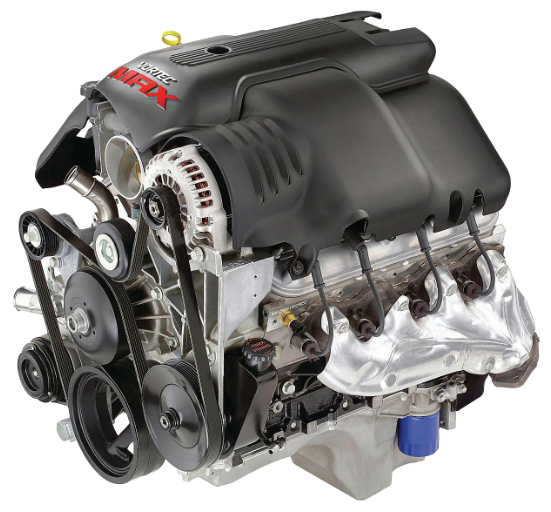
Engineered for durability and output, the LQ9 features a cast-iron cylinder block, known for its strength and resilience, coupled with lightweight 317-casting aluminum cylinder heads. This combination balances thermal efficiency with structural integrity. Fuel delivery is managed by a sequential multi-port fuel injection (MPFI) system, providing precise fuel metering. The valvetrain utilizes an overhead valve (OHV) pushrod design with two valves per cylinder, a characteristic of the Gen III architecture that contributes to its compact dimensions and proven reliability. Key differentiating factors for the LQ9 include flat-top pistons, which contribute to its elevated 10.0:1 compression ratio, optimizing combustion efficiency for higher horsepower and torque figures.
The Cadillac LQ9 engine was prominently deployed across a range of General Motors’ luxury and performance vehicles. Its primary applications include the 2002-2006 Cadillac Escalade, Escalade ESV, and Escalade EXT. Beyond the Cadillac marque, this engine powered the 2002-2006 GMC Yukon Denali and Yukon XL Denali, the performance-oriented 2003-2006 Chevrolet Silverado SS, and the unique 2005-2006 Chevrolet SSR pickup convertible. These vehicles leveraged the LQ9’s capabilities to provide a blend of power, towing capacity, and luxury performance.
Technical Specifications
| Specification | Value |
|---|---|
| Displacement (cc) | 5967 |
| Max Power (hp (kW) @ RPM) | 345 (257) @ 5200 |
| Max Torque (Nm (kg*m) @ RPM) | 515 (52.5) @ 4000 |
| Fuel Type | Premium Unleaded (91+ Octane Recommended) |
| Fuel Consumption (l/100 km) | 16-19 (Combined, Varies by application) |
| Engine Type | Naturally Aspirated V8, OHV |
| Compression Ratio | 10.0:1 |
| Cylinder Bore (mm) | 101.6 |
| Piston Stroke (mm) | 92.0 |
| Valvetrain | Pushrod, Overhead Valve (OHV) |
| Valves per Cylinder | 2 |
| Additional Info | Cast Iron Block, Aluminum Heads, Sequential Multi-Port Fuel Injection, Electronic Throttle Control |
Common Problems & Reliability
The LQ9 engine is generally regarded as highly reliable, benefiting from the robust design of the GM Gen III small-block family. However, certain issues can arise, particularly in higher mileage examples. Oil consumption is a common characteristic, potentially stemming from PCV system inefficiencies, worn valve seals, or piston rings. Monitoring oil levels regularly is crucial. Another prevalent concern involves lifter noise or failure, often exacerbated by infrequent oil changes or extended high-load operation. While not universal, a small percentage of these engines may develop a “ticking” sound from the valvetrain, indicating a failing lifter that requires replacement to prevent further damage.
Additionally, degradation of the knock sensor wiring harness, located under the intake manifold, can lead to check engine lights and reduced engine performance. The wiring insulation can become brittle and crack due to heat exposure, necessitating replacement of the sub-harness. While the timing chain is typically robust for the engine’s lifespan, wear on the timing chain guides or tensioners can occur at very high mileages, leading to rattling noises. With diligent maintenance, the LQ9 engine is capable of achieving an impressive service life, often exceeding 200,000 to 250,000 miles before requiring any major internal overhaul.
Maintenance Tips & Service Schedule
- Engine Oil & Filter: Regular oil changes are paramount for the longevity of the LQ9. It is recommended to use a high-quality synthetic blend or full synthetic 5W-30 engine oil. Service intervals should be between 5,000-7,500 miles (8,000-12,000 km) or every 6 months, whichever comes first.
- Spark Plugs: The factory-equipped Iridium spark plugs are designed for extended life. Replacement is typically recommended every 100,000 miles (160,000 km).
- Air Filter: Inspect the engine air filter regularly and replace it every 15,000-30,000 miles (24,000-48,000 km), or more frequently if operating in dusty conditions.
- Coolant Flush: The cooling system should be flushed and refilled with the manufacturer-specified long-life coolant every 5 years or 100,000 miles (160,000 km).
- Accessory Drive Belt: Inspect the serpentine belt for cracks, fraying, or wear every 30,000 miles (48,000 km) and replace as needed, typically around 50,000-75,000 miles (80,000-120,000 km).
- Fuel System: While many LQ9 applications feature an in-tank fuel filter designed for the life of the vehicle, it is advisable to use quality fuel and periodically check for fuel system issues if performance concerns arise.
- Ignition Coils & Wires: Inspect ignition coil boots and spark plug wires during spark plug replacement. Replace any worn or damaged components to maintain optimal ignition performance.
Conclusion
The Cadillac LQ9 engine stands as a testament to the durability and performance potential of the Gen III GM small-block architecture. Its robust cast-iron block, aluminum heads, and higher compression ratio deliver a potent combination of power and torque suitable for demanding applications. While susceptible to minor issues like oil consumption and potential lifter wear at high mileage, these are generally manageable with proactive maintenance. For a used vehicle buyer, an LQ9-equipped vehicle represents a solid and reliable choice, offering a proven powertrain that, with consistent and proper care, can provide many years and miles of dependable service.