
Volkswagen first unveiled the 2.0-liter DFGA 2.0 TDI engine in 2016. It can be found in popular crossovers like the Skoda Kodiaq and the second generation Tiguan. This diesel engine is only available in Europe; its EURO 5 analogue DBGC is installed in a few other markets.
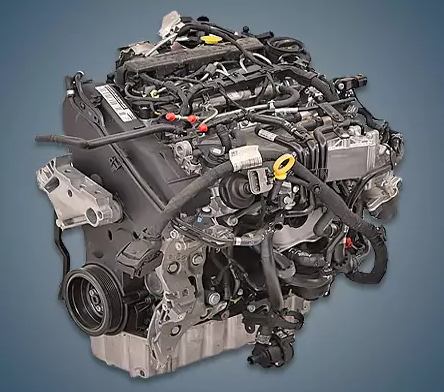
DCXA, CRLB, CRMB, DETA, DBGC, DFGA, DFBA, and DAUA are additional models in the EA288 series.
Specifications
| Production years | since 2016 |
| Displacement, cc | 1968 |
| Fuel system | Common Rail |
| Power output, hp | 150 |
| Torque output, Nm | 340 |
| Cylinder block | cast iron R4 |
| Block head | aluminum 16v |
| Cylinder bore, mm | 81 |
| Piston stroke, mm | 95.5 |
| Compression ratio | 16.2 |
| Features | DOHC, intercooler |
| Hydraulic lifters | yes |
| Timing drive | belt |
| Phase regulator | no |
| Turbocharging | Mahle BM70B |
| Recommended engine oil | 5W-30 |
| Engine oil capacity, liter | 5.7 |
| Fuel type | diesel |
| Euro standards | EURO 6 |
| Fuel consumption, L/100 km (for Volkswagen Tiguan 2017) — city — highway — combined |
7.5 5.0 6.0 |
| Engine lifespan, km | ~310 000 |
The engine was installed on:
- Skoda Kodiaq 1 (NS) since 2016;
- Volkswagen Tiguan 2 (AD) since 2016;
- Volkswagen Touran 2 (5T) in 2015 – 2020.
Disadvantages of the VW DFGA engine
Owners typically talk about odd vibrations and sounds at work on specialized forums;
Additionally, there are occasionally complaints about oil and coolant leaks; the timing belt lasts a long time but needs maintenance because when it breaks, the valves bend; an EGR valve and a particulate filter cause a lot of problems on long runs.