
From 2003 to 2006, the company produced the 1.4-liter Volkswagen BKG 1.4 FSI engine, which was only fitted to a few modifications of the well-liked Golf model’s fifth generation. Turbocharged engines replaced the power units in this series rather quickly.
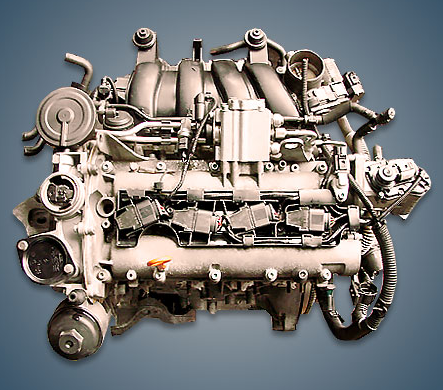
ARR, BKG, BAD, BAG, and BLF are all part of the EA111-FSI series.
Specifications
| Production years | 2003-2006 |
| Displacement, cc | 1390 |
| Fuel system | direct injection |
| Power output, hp | 90 |
| Torque output, Nm | 130 |
| Cylinder block | aluminum R4 |
| Block head | aluminum 16v |
| Cylinder bore, mm | 76.5 |
| Piston stroke, mm | 75.6 |
| Compression ratio | 12.0 |
| Features | DOHC |
| Hydraulic lifters | yes |
| Timing drive | chain |
| Phase regulator | no |
| Turbocharging | no |
| Recommended engine oil | 5W-30 |
| Engine oil capacity, liter | 3.5 |
| Fuel type | petrol |
| Euro standards | EURO 4 |
| Fuel consumption, L/100 km (for VW Golf 2004) — city — highway — combined |
7.9 5.4 6.2 |
| Engine lifespan, km | ~250 000 |
The engine was installed on:
- Volkswagen Golf 5 (1K) in 2003 – 2006.
Disadvantages of the VW BKG engine
A sophisticated intake system with numerous sensors causes the primary issues.
In addition to frequently failing, this system makes it difficult to start in cold weather.
The unreliable timing chain, which can extend up to 100,000 kilometers, comes in second.
Keep extra ignition coils on hand because they frequently break.
Additional drawbacks include higher oil consumption and carbon emissions at high mileage.