
From 2011 to 2013, the Volkswagen CKUB 2.0-liter bi-turbo diesel engine was manufactured and fitted to redesigned versions of the well-liked first-generation Crafter model. 2013 saw the release of an upgraded version of this power unit with a unique CSNA index.
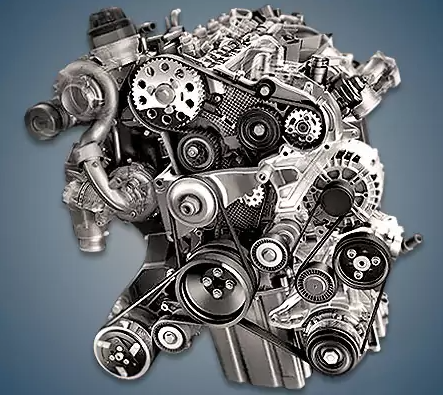
The following are also included in the EA189 series: CAYC, CAAC, CAGA, CAHA, CBAB, CFCA, CFGB, CLCA, CLJA, CKTB, CFHC, and CKUB.
Specifications
| Production years | 2011-2013 |
| Displacement, cc | 1968 |
| Fuel system | Common Rail |
| Power output, hp | 163 |
| Torque output, Nm | 400 |
| Cylinder block | cast iron R4 |
| Block head | aluminum 16v |
| Cylinder bore, mm | 81 |
| Piston stroke, mm | 95.5 |
| Compression ratio | 16.0 |
| Features | DOHC |
| Hydraulic lifters | yes |
| Timing drive | belt |
| Phase regulator | no |
| Turbocharging | BorgWarner R2S |
| Recommended engine oil | 5W-30 |
| Engine oil capacity, liter | 7.0 |
| Fuel type | diesel |
| Euro standards | EURO 6 |
| Fuel consumption, L/100 km (for VW Crafter 2012) — city — highway — combined |
10.5 7.7 8.8 |
| Engine lifespan, km | ~300 000 |
| Weight, kg | 180 |
The engine was installed on:
- Volkswagen Crafter 1 (2E) in 2011 – 2013.
Disadvantages of the VW CKUB engine
This diesel engine is very dependable and has a respectable resource when properly maintained.
Since the valves typically bend when the timing belt breaks, it is crucial to keep an eye on its condition.
Additionally, it may jump if a damaged alternator belt gets underneath it.
BorgWarner’s bi-turbo system might require maintenance after 200,000 kilometers.
The particulate filter and EGR valve contamination is the cause of all other issues.