
The ancestor of the vast TU range is the 1.4-liter Peugeot TU3K or K1G engine. They gathered it between 1986 and 1992 and installed it on well-known company models like the 205 and 405. There is some confusion because this power unit has the TU3A index in several sources.
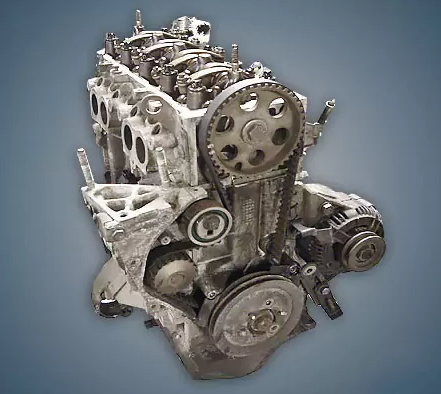
TU1JP, TU3K, TU3JP, TU3A, TU5JP, and TU5JP4 are engines belonging to the TU family.
The engine was mounted on:
- Peugeot 205 I (M24) in 1988 – 1991;
- Peugeot 309 I (C28) in 1990 – 1991;
- Peugeot 405 I (D6/D7) in 1987 – 1992;
- Citroen AX in 1989 – 1991;
- Citroen BX in 1988 – 1991.
Specifications
| Production years | 1986-1992 |
| Displacement, cc | 1360 |
| Fuel system | carburetor |
| Power output, hp | 65 – 70 |
| Torque output, Nm | 110 – 115 |
| Cylinder block | aluminum R4 |
| Block head | aluminum 8v |
| Cylinder bore, mm | 75 |
| Piston stroke, mm | 77 |
| Compression ratio | 9.3 |
| Features | no |
| Hydraulic lifters | no |
| Timing drive | belt |
| Phase regulator | no |
| Turbocharging | no |
| Recommended engine oil | 5W-40 |
| Engine oil capacity, liter | 3.0 |
| Fuel type | petrol |
| Euro standards | EURO 0 |
| Fuel consumption, L/100 km (for Peugeot 205 1991) — city — highway — combined |
8.4 5.2 7.1 |
| Engine lifespan, km | ~180 000 |
| Weight, kg | 100 |
Disadvantages of the TU3K engine
The carburetor’s frequent and varied vagaries annoy the majority of owners;
Engine ignition system failures rank second in terms of frequency;
Electrical glitches follow, which are typically associated with wiring or contacts;
Because the valves bend when the timing belt breaks, it is recommended to replace it every 60,000 kilometers;
The thermal clearances of the valves must be adjusted about every 70,000 to 80,000 kilometers.