
Only rear and all-wheel drive models with automatic transmissions were equipped with the 3.0-liter Toyota 2JZ-FSE engine, which was manufactured at the Tahara Plant in Japan between 1999 and 2007. The branded D4 direct fuel injection system was the main feature that set the power unit apart.
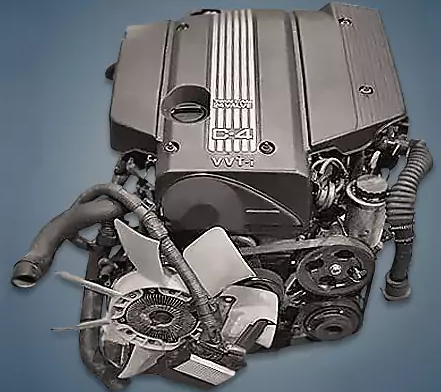
The engines 1JZ-GE, 1JZ-GTE, 1JZ-FSE, 2JZ-GE, 2JZ-GTE, and 2JZ-FSE are also part of the JZ family.
The engine was mounted on:
- Toyota Brevis 1 (G10) in 2001 – 2007;
- Toyota Crown 11 (S170) in 1999 – 2003;
- Toyota Progres 1 (G10) in 2001 – 2007.
Specifications
| Production years | 1999-2007 |
| Displacement, cc | 2997 |
| Fuel system | direct injection D4 |
| Power output, hp | 217 – 220 |
| Torque output, Nm | 294 – 303 |
| Cylinder block | cast iron R6 |
| Block head | aluminum 24v |
| Cylinder bore, mm | 86 |
| Piston stroke, mm | 86 |
| Compression ratio | 11.3 |
| Features | ACIS |
| Hydraulic lifters | no |
| Timing drive | belt |
| Phase regulator | VVT-i |
| Turbocharging | no |
| Recommended engine oil | 5W-30 |
| Engine oil capacity, liter | 5.4 |
| Fuel type | petrol |
| Euro standards | EURO 3/4 |
| Fuel consumption, L/100 km (for Toyota Brevis 2005) — city — highway — combined |
11.2 7.5 8.8 |
| Engine lifespan, km | ~250 000 |
| Weight, kg | 240 |
Disadvantages of the 2JZ-FSE engine
Owners are typically worried about the direct injection system’s components;
Additionally, this engine enjoys pouring candles and is terrified of the cold and moisture.
The VVT-i water pump and phase regulator is not very reliable;
One of the ignition coils is typically the cause of the power unit’s tripling; idle speed controller malfunctions and dirt on the throttle are the primary causes of the engine speed floating.