
From 1985 until 2012, a Japanese company produced the 1.3-liter Mitsubishi 4G13 engine, which was fitted on well-known models like the Colt, Lancer, Mirage, Dingo, and Space Star. The motor has been manufactured in China since the mid-2000s and installed on regional models.
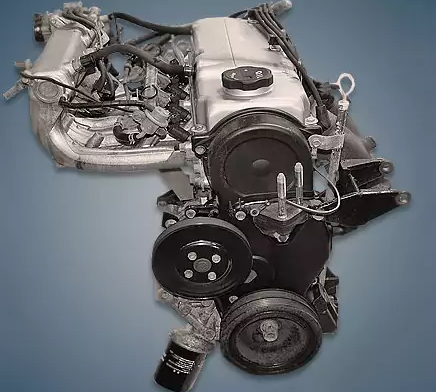
The Mirage was the first vehicle to use the 1.3-liter Orion engine in the mid-1980s. With a distributor, timing belt drive, an aluminum 8-valve cylinder head without hydraulic lifters, and a cast-iron cylinder block, it was a standard carburetor engine for its era. A 12-valve head was soon added, followed by fuel injection, and the most recent models featured hydraulic lifters, ignition coils, and a 16-valve SOHC cylinder head.
The engines 4G15, 4G15T, 4G18, and 4G19 are also part of the 4G1 family.
The engine was mounted on:
- Mitsubishi Carisma 1 (DA) in 2001 – 2004;
- Mitsubishi Colt 3 (C5), Colt 4 (CA), Colt 5 (CJ) in 1987 – 2003;
- Mitsubishi Dingo 1 (CQ) in 1998 – 2003;
- Mitsubishi Lancer 6 (C6), Lancer 7 (CB), Lancer 8 (CK), Lancer 9 (CS) in 1988 – 2010;
- Mitsubishi Space Star 1 (DG) in 1998 – 2005;
- Proton Saga 1 in 1985 – 2008;
- Proton Satria 1 in 1994 – 2005;
- Proton Wira 1 in 1993 – 2009;
- Hyundai Excel 1 (X1), Excel 2 (X2) in 1985 – 1995.
Specifications
| Production years | 1985-2012 |
| Displacement, cc | 1298 |
| Fuel system | carburetor (carburetor 8v) carburetor (carburetor 12v) distributed injection (injector 12v) distributed injection (injector 16v) |
| Power output, hp | 60 – 69 (carburetor 8v) 70 – 75 (carburetor 12v) 75 (injector 12v) 82 – 86 (injector 16v) |
| Torque output, Nm | 96 – 102 (carburetor 8v) 102 – 106 (carburetor 12v) 108 (injector 12v) 115 – 120 (injector 16v) |
| Cylinder block | cast iron R4 |
| Block head | aluminum 8v (carburetor 8v) aluminum 12v (carburetor 12v) aluminum 12v (injector 12v) aluminum 16v (injector 16v) |
| Cylinder bore, mm | 71 |
| Piston stroke, mm | 82 |
| Compression ratio | 9.0 (carburetor 8v) 9.5 (carburetor 12v) 9.5 (injector 12v) 10.0 (injector 16v) |
| Timing drive | belt |
| Turbocharging | no |
| Recommended engine oil | 5W-30, 5W-40 |
| Engine oil capacity, liter | 3.6 |
| Fuel type | petrol |
| Euro standards | EURO 1 (carburetor 8v) EURO 1 (carburetor 12v) EURO 2/3 (injector 12v) EURO 3/4 (injector 16v) |
| Fuel consumption, L/100 km (for Mitsubishi Lancer 1997) — city — highway — combined |
8.4 5.2 6.4 |
| Engine lifespan, km | ~300 000 |
| Weight, kg | 135 (with attachments) |
Disadvantages of the Mitsubishi 4G13 engine
Strong throttle assembly backlash is the most well-known issue with the Orion family of engines: increased or floating engine speed at idle. Remanufactured dampers are sold by a number of companies.
Progressive oil consumption is the subject of a sizable portion of the complaints on the specialized forums. The wear of the valve stem seals or the presence of rings is the primary cause of this. Piston wear increases with 200,000 kilometers, making overhaul unavoidable.
The timing belt is intended to last 90,000 kilometers, according to the handbook, and many people replace it during this run. Nevertheless, there are numerous instances of it breaking even earlier on specialized forums. The reports describe cracked pistons as well as bent valves.
This motor’s catalyst and less robust engine mounts are its weaknesses. The ignition system’s parts cause a lot of problems; during the winter, it frequently fills with candles. Additionally, since most models lack hydraulic lifters, don’t forget to adjust the valves.