
The contemporary Cat C10 diesel engine has six in-line cylinders, a direct-injection Cat Electronic Ignition System, a cooled turbocharged engine, an ADEMTM F4 ECU, a HEUI fuel system, high-efficiency oil filters, a lightweight cylinder block, and split connecting rods.
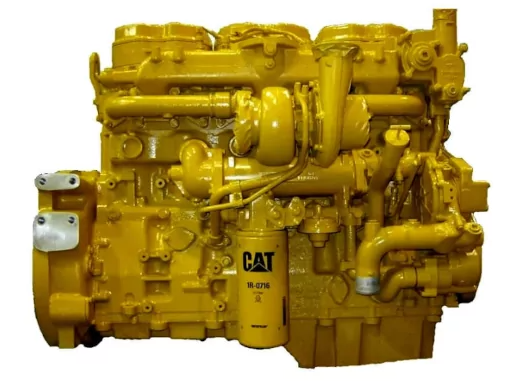
The Caterpillar C10 has been in production for nine years, having been introduced in 1995. The Caterpillar C9 took its place in 2004. C10s have a mechanical injector drive and an electronic control unit. Two-piece composite pistons are used in the engine. The engine was primarily used in industrial machinery and trucks.
Specifications
| Number of cylinders | 6 |
| Configuration | inline |
| Cylinder bore, mm | 125 |
| Piston stroke, mm | 140 |
| Displacement, cc | 10,3 |
| Compression Ratio | 17,25:1 |
| Power output, kW (hp) | 231-317 kW (310-425 hp) at 2200 rpm depending on configuration |
| Injection | direct injection Cat Electronic Ignition System |
| Dimensions, mm (LxWxH) | 1287x918x1078 |
| Weight, kg | 630 (dry weight) |
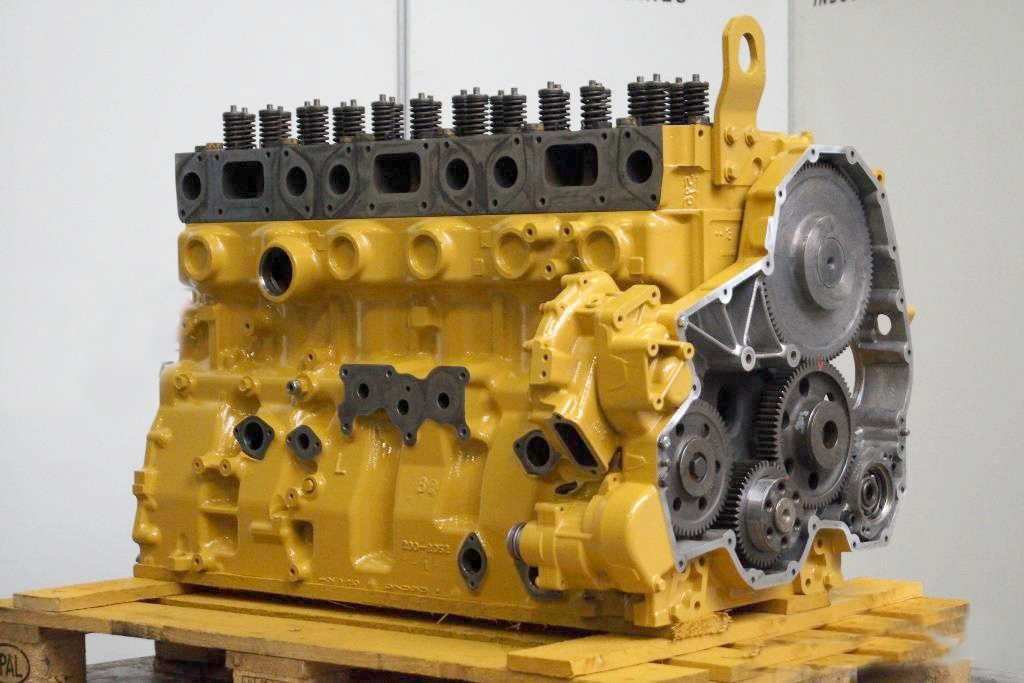
The main applications for Caterpillar C10 diesel engines are trucks and buses. The C10 is incredibly effective and productive. The Electronic Control Module (ECM) with standard ATA/SAE data lines is one of the key characteristics of C10 engines. This enables you to figure out how to use your engine as efficiently as possible. It operates between 1200 and 1800 rpm. Cat C10 engines are built to be long-lasting and low maintenance. They are among the most dependable and silent motors available.