What Does Code P0354 Mean?
Diagnostic Trouble Code (DTC) P0354 signifies an Ignition Coil D Primary/Secondary Circuit Malfunction. This code indicates that the Powertrain Control Module (PCM), or Engine Control Module (ECM), has detected an electrical fault within the primary or secondary circuit of the ignition coil responsible for cylinder ‘D’. The ‘D’ typically refers to the fourth cylinder in the engine’s firing order sequence as monitored by the PCM, which is commonly cylinder #4 in many inline-four, V6, or V8 configurations. The PCM actively monitors the primary ignition circuit by observing the voltage feedback and current flow as it switches the coil’s ground circuit on and off to build and collapse the magnetic field, inducing a high-voltage spark in the secondary circuit. When the PCM detects an unexpected voltage drop, an open circuit, a short circuit, or an abnormal resistance reading in the primary control circuit, or an issue in the secondary circuit leading to excessive feedback or insufficient spark, it interprets this as a malfunction and sets P0354. This directly affects the engine’s ability to generate a spark in cylinder ‘D’, leading to a misfire condition in that specific cylinder and significantly impacting engine performance and emissions.
Common Symptoms
- Check Engine Light (MIL) Illumination: The primary indicator, often flashing if the misfire is severe enough to cause catalytic converter damage.
- Engine Misfire: Noticeable rough running, hesitation, or stumbling, particularly at idle or under acceleration.
- Reduced Engine Power: A significant decrease in horsepower and torque, especially during heavy load or uphill driving.
- Poor Fuel Economy: Due to inefficient combustion and the PCM’s attempts to compensate for the misfire.
- Engine Vibration: A distinct shake or vibration felt throughout the vehicle, indicative of an imbalanced engine due to one cylinder not firing.
- Strong Fuel Odor: Unburnt fuel passing through the exhaust system dueulating from cylinder ‘D’.
- Difficulty Starting or Stalling: In severe cases, the engine may struggle to start or stall unexpectedly.
What Causes the Code P0354?
- Faulty Ignition Coil (Cylinder D): The most common cause, where the coil’s internal windings (primary or secondary) can short, open, or suffer from insulation breakdown, preventing proper spark generation.
- Damaged Wiring Harness: An open circuit, short to ground, or short to voltage in the primary control circuit wiring for ignition coil ‘D’. This includes chafed wires, rodent damage, or insulation degradation.
- Corroded or Loose Electrical Connectors: Poor electrical contact at the ignition coil ‘D’ connector or at the PCM connector due to corrosion, bent pins, or improper seating.
- Faulty Spark Plug (Cylinder D): While less common for a P0354 code directly, a severely fouled, damaged, or incorrectly gapped spark plug can cause excessive load on the secondary circuit, stressing the coil and potentially leading to coil failure or misinterpretation by the PCM as a primary circuit issue.
- Faulty Powertrain Control Module (PCM/ECM): Although rare, an internal defect within the PCM’s ignition coil driver circuit for cylinder ‘D’ can prevent proper switching of the coil’s primary circuit.
How to Diagnose and Troubleshoot
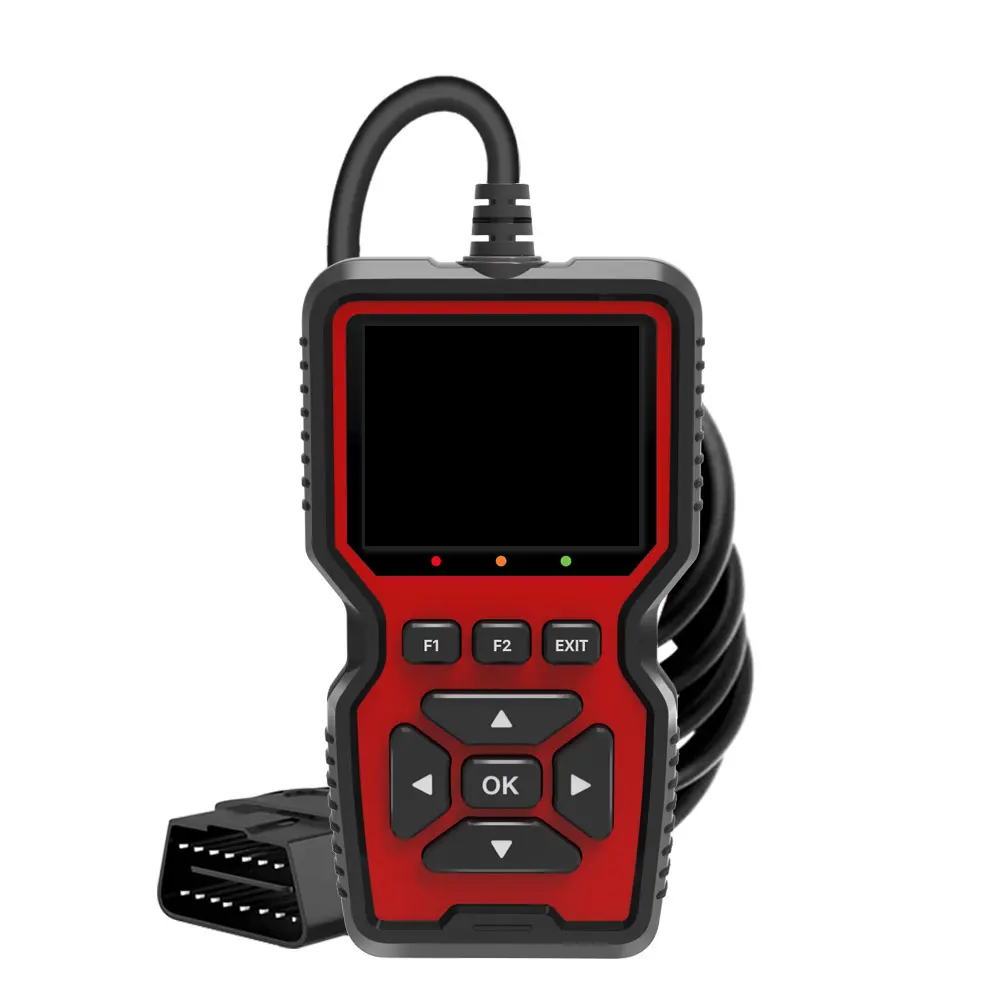
Accurate diagnosis of P0354 requires a methodical approach, utilizing an OBD-II scanner, a digital multimeter (DMM), and potentially an oscilloscope.
- Verify DTC and Gather Data: Connect an OBD-II scanner to confirm P0354. Check for any accompanying codes, especially cylinder-specific misfire codes (e.g., P0304 – Cylinder 4 Misfire) or general misfire codes (P0300). Record freeze frame data, which provides critical engine parameters at the moment the code was set. Clear the codes and see if P0354 returns immediately or under specific driving conditions.
- Visual Inspection: Disconnect the battery. Carefully inspect the ignition coil ‘D’ and its electrical connector. Look for physical damage to the coil itself (cracks, burn marks), bent or corroded pins within the connector, and ensure the connector is fully seated. Trace the wiring harness leading to coil ‘D’ for any signs of chafing, cuts, melting, or rodent damage. Inspect the spark plug boot for tears or carbon tracking.
- Electrical Circuit Testing at Coil D Connector: With the ignition ON (engine OFF), use a DMM to test the ignition coil ‘D’ connector for proper power and ground.
- Power Supply: Identify the 12V power supply wire (often shared with other coils). Place the DMM’s red lead on this pin and the black lead on a known good chassis ground. Expect to see approximately 12V. If no voltage, check fuses and wiring back to the power source.
- Ground Reference: Identify the constant ground wire (if applicable to your system). Check for continuity to chassis ground (should be <5 Ohms).
- PCM Control Signal: Identify the PCM control wire (the signal wire that the PCM switches to ground). With the ignition ON and the engine cranking (if safe and possible), use the DMM in AC voltage mode or a test light (LED type preferred) on this wire. You should observe a fluctuating voltage or a rapid flash, indicating the PCM is attempting to cycle the coil. A steady 12V or 0V indicates an issue with the PCM driver or an open/short in the control wire. An oscilloscope provides the most accurate view of this switching signal.
- Ignition Coil Swap Test: If the power, ground, and PCM signal wires test good at the coil connector, the issue is likely the ignition coil itself. To confirm, swap ignition coil ‘D’ with a coil from a known good cylinder (e.g., cylinder ‘A’). Clear the codes, start the engine, and see if the DTC follows the coil to the new cylinder (e.g., P035A if it moved to cylinder ‘A’). If the code moves, the original coil ‘D’ is faulty. If P0354 remains, the issue is not the coil but likely wiring between the coil and PCM, or the PCM itself.
- Spark Plug Inspection: Remove the spark plug from cylinder ‘D’. Examine its condition for excessive fouling, signs of damage, or an incorrect gap. A severely fouled plug can put excessive stress on the coil.
- PCM Driver Test (Advanced): If all previous tests indicate good wiring and a good coil, but no PCM control signal is present, the PCM’s internal driver for ignition coil ‘D’ may be faulty. This typically requires specialized diagnostic equipment and potentially PCM replacement and reprogramming.
Recommended Repairs and Solutions
Once the diagnosis is complete, the appropriate repair can be implemented:
- Replace Faulty Ignition Coil: If the swap test or direct coil testing confirms the ignition coil ‘D’ is defective, replace it. Always use an OEM equivalent or a high-quality aftermarket coil to ensure proper performance and longevity. It is often recommended to replace spark plugs at the same time, especially if they are due for service.
- Repair or Replace Wiring Harness: If the visual inspection or DMM tests reveal an open, short, or damaged wire in the harness leading to coil ‘D’, the affected portion must be professionally repaired or the entire sub-harness replaced. Use solder and heat-shrink tubing for durable repairs, ensuring connections are weatherproof.
- Clean or Replace Connectors: If corrosion or loose connections were found at the coil or PCM connector, clean the terminals thoroughly using electrical contact cleaner and a small brush. If pins are bent or severely corroded, the connector body or individual terminals may need to be replaced. Ensure all connectors are fully seated and locked.
- Replace Spark Plug: If the spark plug from cylinder ‘D’ was found to be the primary cause of the coil’s failure or a contributing factor, replace it. Consider replacing all spark plugs if they are nearing their service interval.
- PCM Replacement/Reprogramming: In the rare event that diagnostics definitively point to an internal PCM fault as the cause of P0354, the PCM will need to be replaced and subsequently programmed to the vehicle. This is typically the most expensive and complex repair.
After any repair, clear the DTCs from the PCM using an OBD-II scanner. Perform a thorough test drive, monitoring live data for misfires and ensuring the P0354 code does not reappear. Ensure all readiness monitors reset to “complete” before returning the vehicle to service.