
Produced between 2006 and 2014, the 2.4-liter Ford JXFA engine, also known as the 2.4 TDCi Duratorq Puma, was fitted to the seventh (or, according to some sources, the fourth) generation of Transit minibuses. This diesel engine, which had a power range of 100 to 140 horsepower, belonged to the Common Rail series.
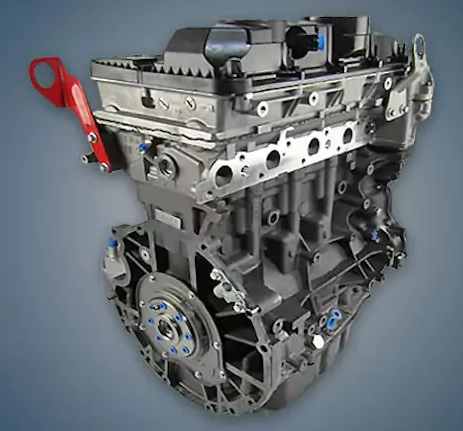
FMBA and QJBB internal combustion engines are also part of the Duratorq-TDCi line.
The engine was installed on:
- Ford Transit Mk7 in 2006 – 2014.
Specifications
| Production years | 2006-2014 |
| Displacement, cc | 2402 |
| Fuel system | Common Rail |
| Power output, hp | 115 |
| Torque output, Nm | 310 |
| Cylinder block | cast iron R4 |
| Block head | aluminum 16v |
| Cylinder bore, mm | 89.9 |
| Piston stroke, mm | 94.6 |
| Compression ratio | 17.5 |
| Features | intercooler |
| Hydraulic lifters | yes |
| Timing drive | chain |
| Phase regulator | no |
| Turbocharging | yes |
| Recommended engine oil | 5W-30 |
| Engine oil capacity, liter | 9.0 |
| Fuel type | diesel |
| Euro standards | EURO 4 |
| Fuel consumption, L/100 km (for Ford Transit 2008) — city — highway — combined |
11.8 8.4 9.7 |
| Engine lifespan, km | ~350 000 |
Disadvantages of the JXFA engine
The Common Rail fuel system contamination is the primary cause of the motor’s issues;
Diesel fuel impurities cause the high-pressure fuel pump’s shaft to deteriorate, which leads to chips clogging the nozzles;
The timing chain mechanism frequently needs maintenance on runs longer than 150,000 kilometers;
After 200,000 kilometers, the connecting rods’ upper heads break, causing knocks beneath the hood. The generator and vacuum pump are typically the auxiliary equipment that fails.